Aloe Vera Compound Shows Promise for Alzheimer's Treatment
Scientists discovered that beta-sitosterol, a natural compound in Aloe vera, strongly binds to key enzymes linked to Alzheimer's memory loss. Computer models show the plant compound could help slow cognitive decline, opening new paths for future treatments.
A familiar plant sitting on kitchen windowsills worldwide might hold an unexpected key to fighting Alzheimer's disease.
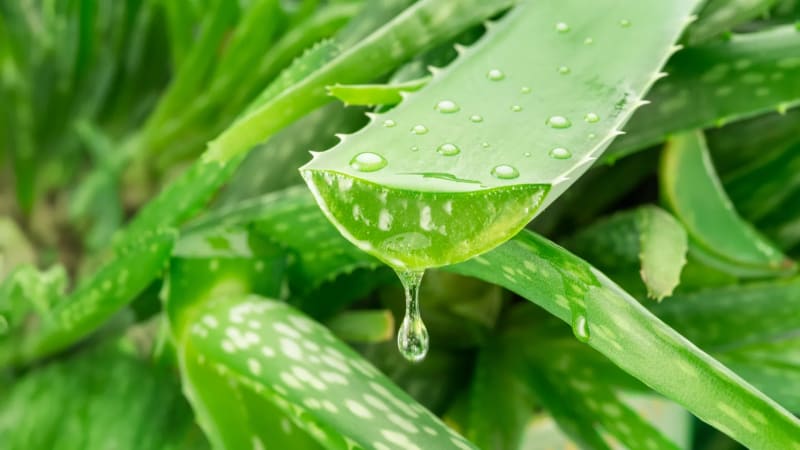
Scientists have discovered that beta-sitosterol, a natural compound found in Aloe vera, shows strong promise for slowing the brain changes that lead to memory loss and cognitive decline. The finding, published in Current Pharmaceutical Analysis, could point researchers toward gentler, plant-based treatments for the disease affecting millions worldwide.
The research team focused on two enzymes that break down acetylcholine, a chemical messenger essential for memory and thinking. In Alzheimer's patients, acetylcholine levels are already dangerously low, so slowing these enzymes could help preserve what remains and ease symptoms.
Using computer simulations, researchers tested how different Aloe vera compounds interact with these crucial enzymes. Beta-sitosterol emerged as the clear winner, binding strongly to both target enzymes and remaining stable over time.
"Our findings suggest that beta-sitosterol exhibits significant binding affinities and stability, making it a promising candidate for further drug development," said lead author Meriem Khedraoui. The compound's ability to block both enzymes simultaneously could make it especially effective.
The team also ran safety predictions to see how the compound might behave in the human body. Beta-sitosterol showed favorable results for absorption, distribution, and low toxicity, suggesting it could eventually become a safe medication.
Why This Inspires
This research represents a shift toward gentler, nature-inspired treatments for diseases that have long relied on synthetic drugs with harsh side effects. Aloe vera has been used medicinally for thousands of years, but modern science is only beginning to unlock its full potential beyond skin care.
The study offers hope not just for new Alzheimer's treatments, but for a broader approach to medicine that looks to plants for solutions. While beta-sitosterol still needs laboratory testing and clinical trials before reaching patients, the strong initial results give researchers a clear direction forward.
For the 6.7 million Americans living with Alzheimer's and their families searching for better options, this discovery opens a door that didn't exist before. Sometimes the most sophisticated solutions come from the simplest sources.
Based on reporting by Health Daily
This story was written by BrightWire based on verified news reports.
Spread the positivity!
Share this good news with someone who needs it