Pig Kidney Patients Get Human Transplants Successfully
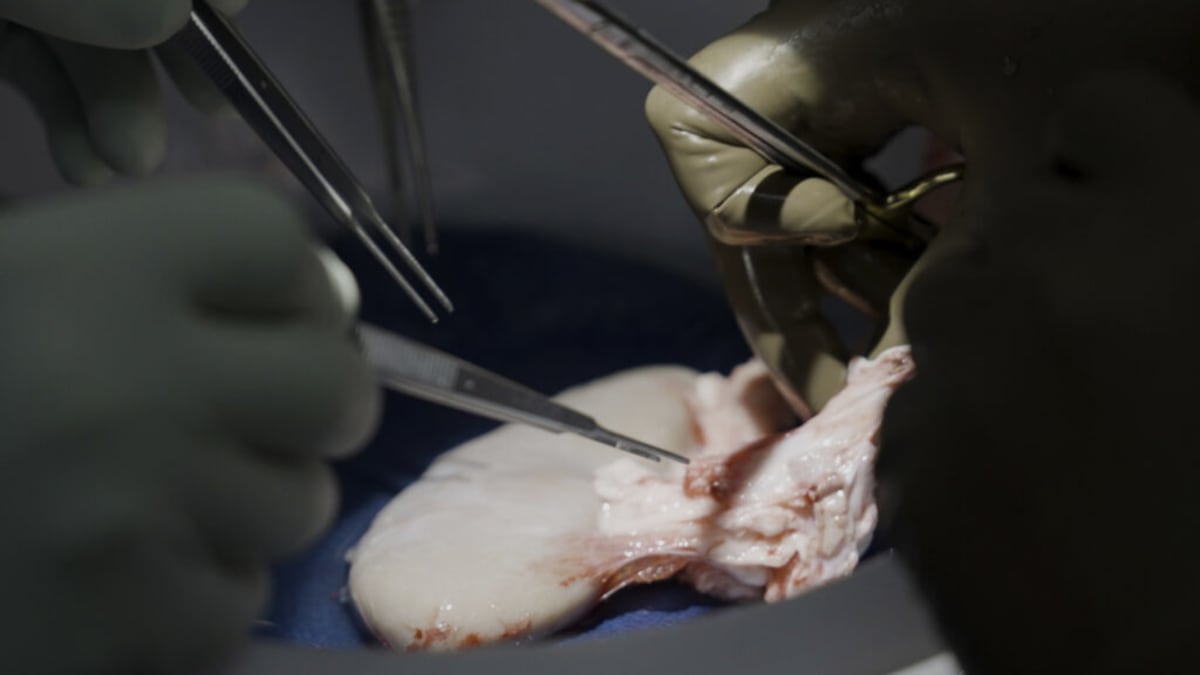
Two people who received genetically engineered pig kidneys have successfully transitioned to human organ transplants, proving a crucial step forward in solving the organ shortage crisis. Their bodies didn't reject the human organs despite months with pig kidneys.
Two patients who made history with pig kidney transplants just cleared a major hurdle that scientists were hoping for but couldn't guarantee.
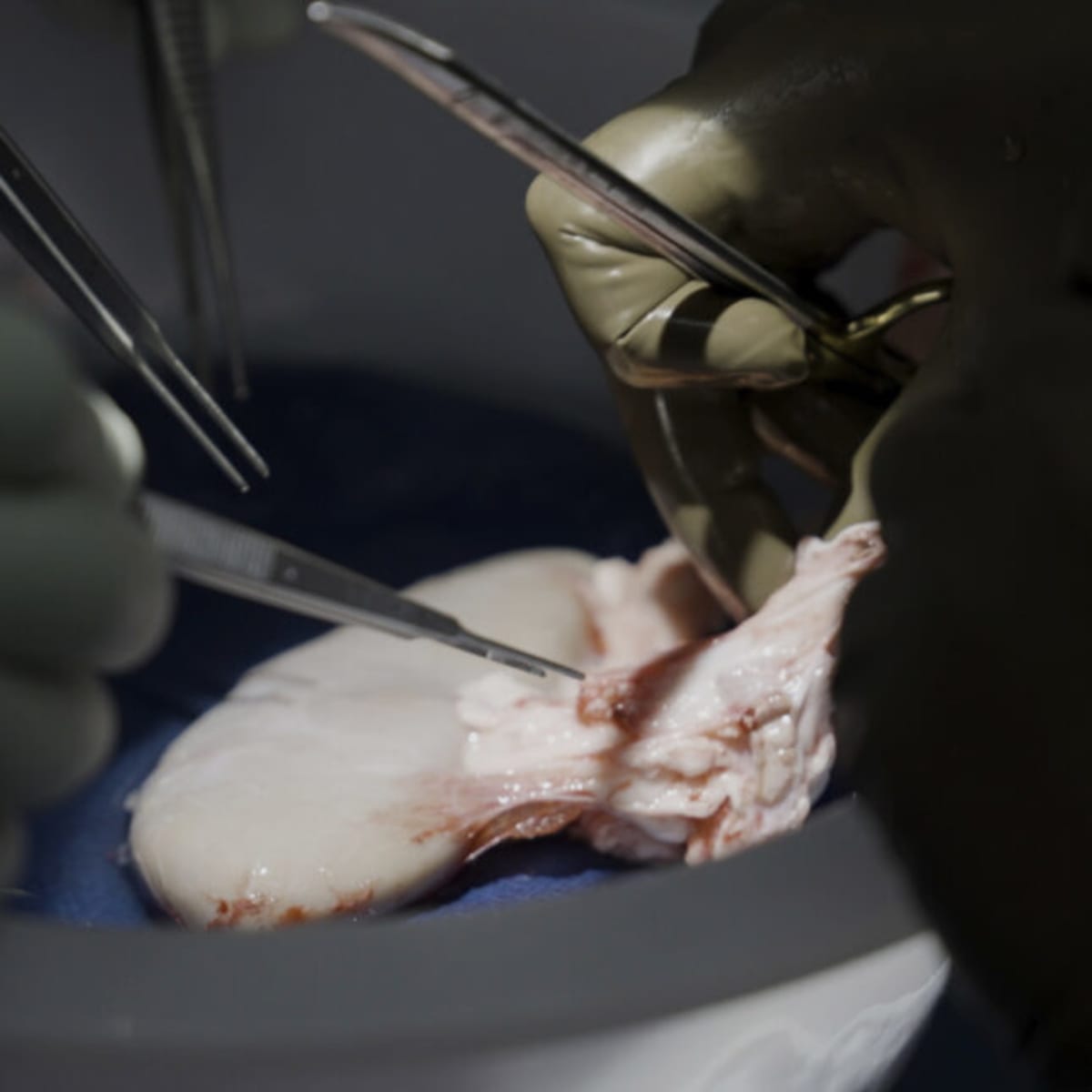
The patients, who first received genetically engineered pig kidneys from biotech company eGenesis, have now successfully received human kidney transplants. This answers a critical question doctors had: Would having an animal organ make the body reject a human one later?
The transition wasn't instant or easy. After doctors removed the pig kidneys, both patients returned to dialysis for several months while waiting for human donor organs to become available. But here's what matters: they spent nearly a year free from being hooked up to dialysis machines, and their bodies accepted the human kidneys when they arrived.
Scientists at eGenesis had seen promising signs in primate studies that this would work, but confirmation in actual patients marks a completely different milestone. These interspecies transplants, called xenografts, represent one of the most ambitious solutions to a heartbreaking problem.
The organ shortage in America is severe. Thousands of people die every year waiting for kidneys that never come. The waitlist grows faster than donors can keep up, leaving families in limbo and patients tethered to dialysis machines for years.
That's exactly why several biotech companies are racing to perfect pig organ transplants. Pigs can be genetically modified to make their organs more compatible with human bodies, and they could theoretically provide an unlimited supply.
The Bright Side
What makes this announcement so encouraging isn't just that two people got the organs they desperately needed. It's that the path forward just got clearer for everyone else waiting.
The fear that a pig kidney might somehow "train" the immune system to attack a human kidney later could have been a dealbreaker for the entire field. Patients and doctors would face an agonizing choice: accept a temporary solution that might eliminate future options, or stay on dialysis and hope.
Now that concern has been put to rest. Patients who receive pig kidneys as a bridge can still receive human organs when they become available. The pig kidney can buy precious time, keeping people healthy and off dialysis while they wait for a permanent solution.
This doesn't mean pig kidneys will replace human donation anytime soon. But it does mean xenotransplantation just moved from theoretical promise to practical possibility, with a safety net that makes it far more viable for the thousands who can't wait any longer.
More Images



Based on reporting by STAT News
This story was written by BrightWire based on verified news reports.
Spread the positivity!
Share this good news with someone who needs it