Alps' Vultures Soar Back from Extinction: 118 Pairs Now
A frail vulture found in the French Alps turned out to be 37-year-old Balthazar, the oldest bearded vulture ever recorded in the wild. His survival tells the remarkable story of how these majestic birds returned to Alpine skies after disappearing in the early 1900s.
When wildlife experts in the French Alps found a weakened bird lying on the ground last autumn, they discovered something extraordinary: Balthazar, a bearded vulture released in 1988 who had vanished from sight, was not only alive but over 37 years old.
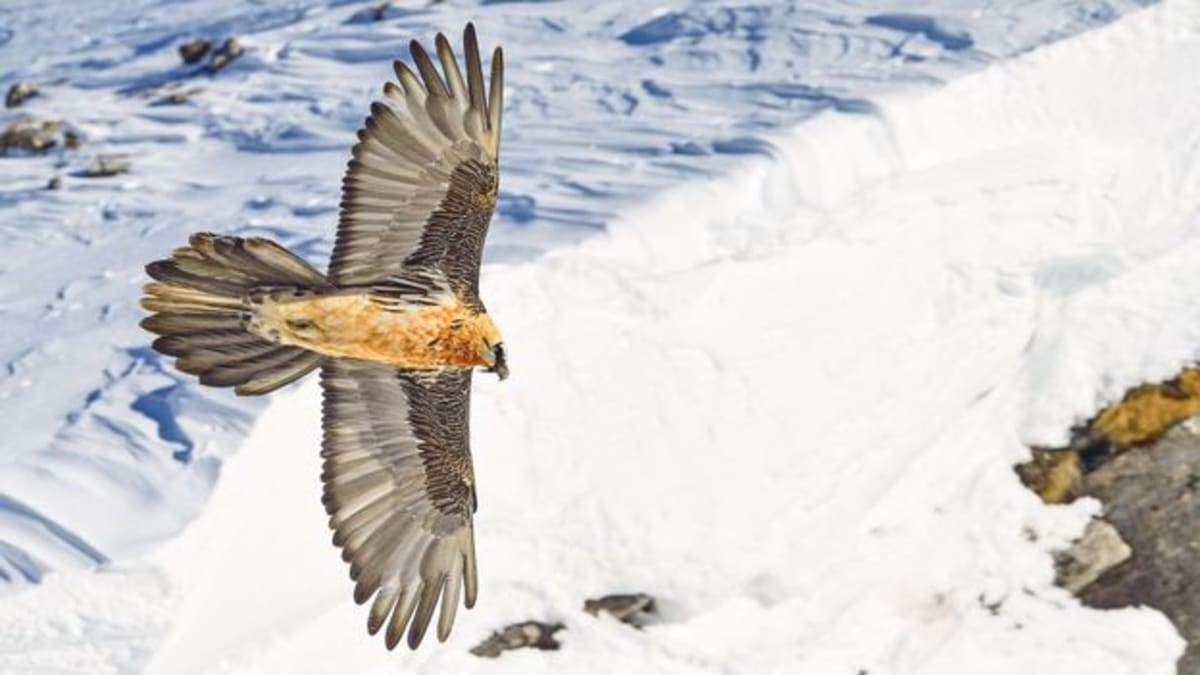
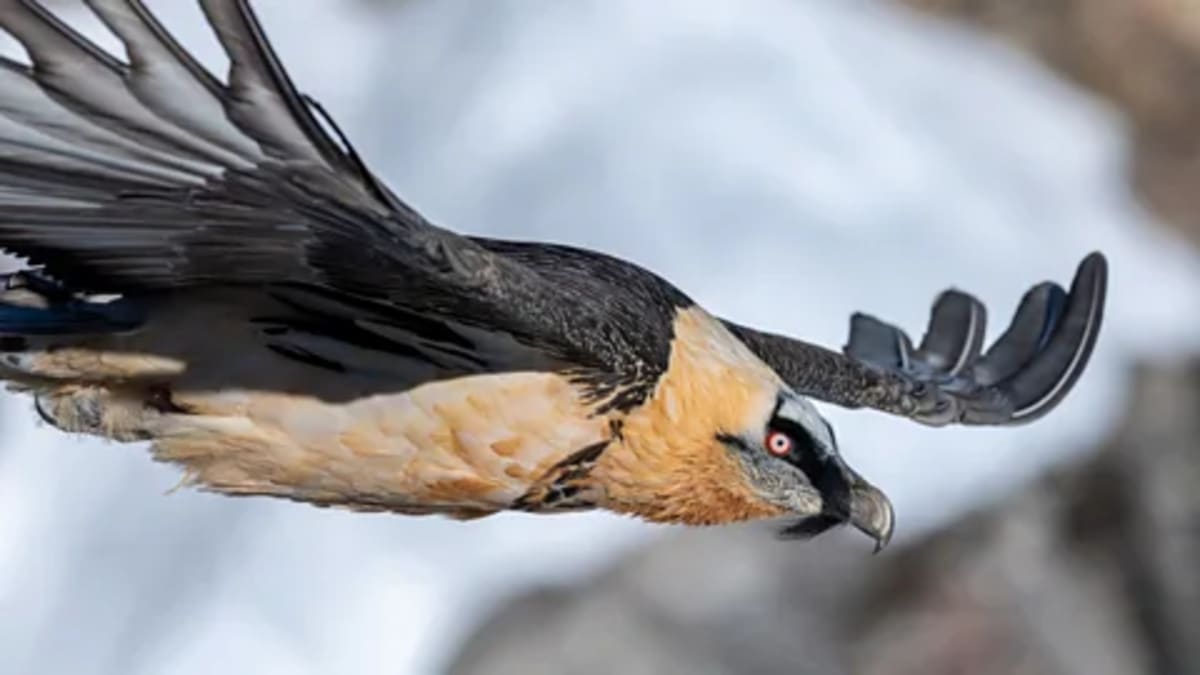
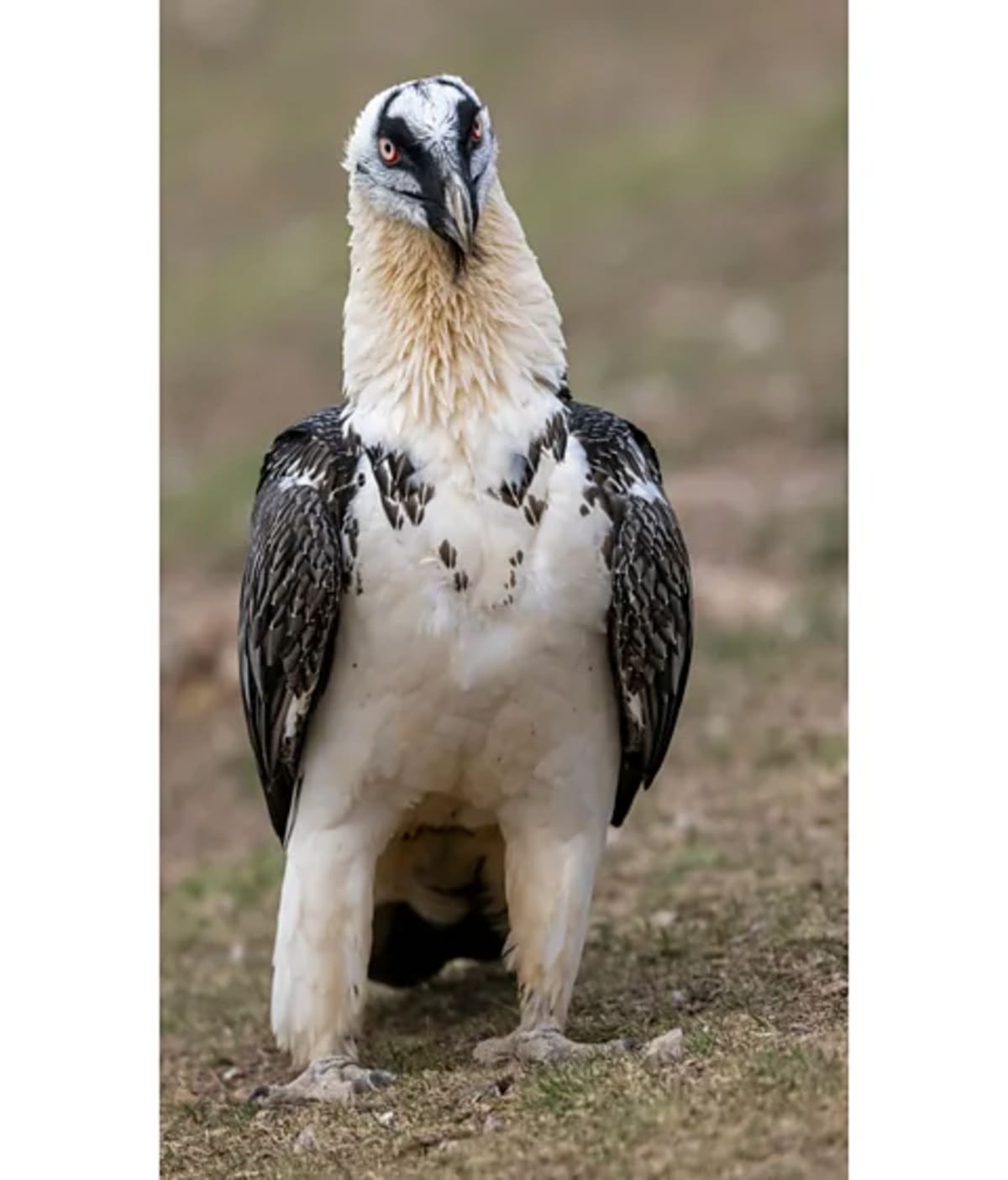
Balthazar's remarkable survival mirrors one of Europe's greatest conservation victories. These magnificent birds, with wingspans stretching 8 feet across Alpine skies, were hunted to extinction in the region by the early 1900s.
Bearded vultures earned their Spanish nickname "quebrantahuesos" or bone-breaker through their unique diet. They're the only animals known to feed mainly on bones, dropping them from great heights onto rocks to crack them into bite-sized pieces.
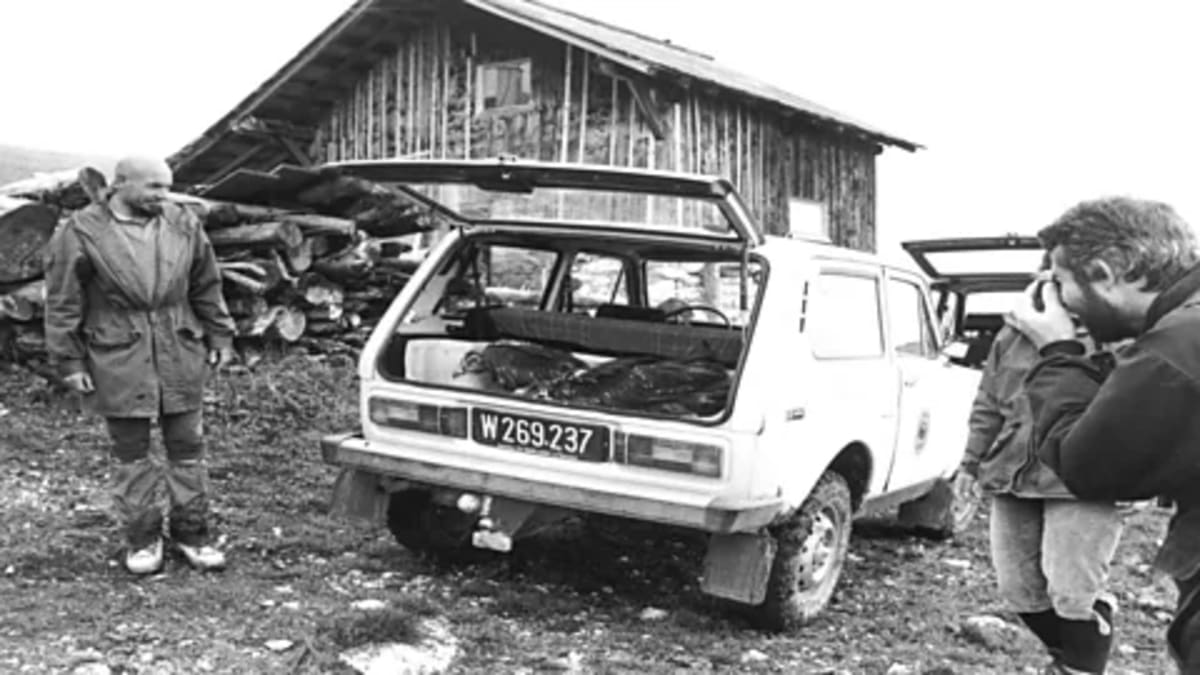
Starting in 1986, conservationists took action. They released more than 260 captive-bred bearded vultures across Austria, Italy, Switzerland, France, and Germany over several decades.
Balthazar was among those early pioneers. He fathered the first wild-raised chick in the Alps after the species had been absent for generations.
Today, the results speak for themselves. In 2025, the wild population crossed a historic milestone: 118 breeding pairs now soar through Alpine valleys and nest in snowy cliffs. The population is self-sustaining and thriving.
"It's a huge success, demonstrating that when there is will and a little bit of funding and a little bit of political support, we can actually reverse the loss of biodiversity and achieve fantastic results," says José Tavares, director of the Vulture Conservation Foundation.
Several factors made this comeback possible. Hunting these birds is now banned across Europe. Other mountain species like ibex and chamois have rebounded, providing more food for vultures to scavenge. Protected areas give breeding pairs quiet spaces to raise their young.
The Ripple Effect
The vultures' return does more than add beauty to Alpine skies. These birds play a crucial role as nature's cleanup crew, devouring dead animals and preventing disease spread through ecosystems.
Their comeback also rewrites a dark chapter of human-wildlife conflict. In the 19th century, vultures were wrongly believed to hunt lambs, leading to widespread persecution and bounties for hunters. Now, protected and understood, they're reclaiming their rightful place in the mountains.
As Balthazar enters what may be his final years, the skies above him are filled with descendants and fellow vultures, proof that extinction doesn't have to be forever.
More Images
Based on reporting by Google News - Conservation Success
This story was written by BrightWire based on verified news reports.
Spread the positivity!
Share this good news with someone who needs it