Alsace Farmers Grow Chickpeas and Lentils to Beat Drought
Four French farmers launched a thriving cooperative growing drought-resistant pulses like chickpeas and lentils in a region that never grew them before. Their brand now produces over 100 tonnes annually, proving climate adaptation can create local food solutions.
Chickpeas in France? Three years ago, farmers in Alsace never imagined it, but today four producers are growing over 100 tonnes of pulses annually in fields south of Strasbourg.
Cédric Steinlé started the shift during the COVID-19 pandemic, swapping traditional crops for lentils, chickpeas, and quinoa. Faced with repeated heatwaves and droughts hammering European agriculture, he realized these hardy plants could thrive where water-hungry crops struggled.
"We'd never seen chickpeas here," Steinlé explains. But consumers wanted local options, and the climate was demanding change.
Three neighboring farmers joined him to launch "Graines d'Alsace," a small cooperative that's doubled production in just three years. They've since added chia seeds and red beans to their rotation, all crops that need far less water and fewer pesticides than conventional options.
The timing couldn't be better. Pulses fix nitrogen in the soil naturally, acting as green fertilizers that improve farmland while requiring minimal irrigation. They're packed with protein and fiber too, offering nutritional benefits alongside environmental ones.
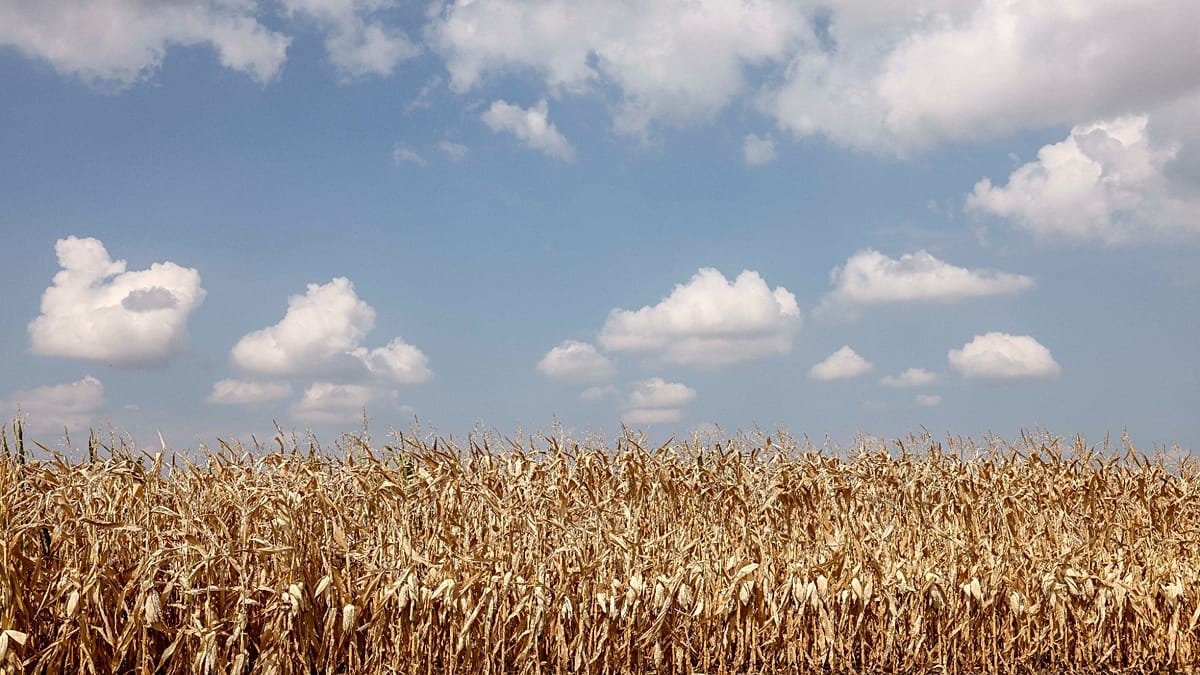
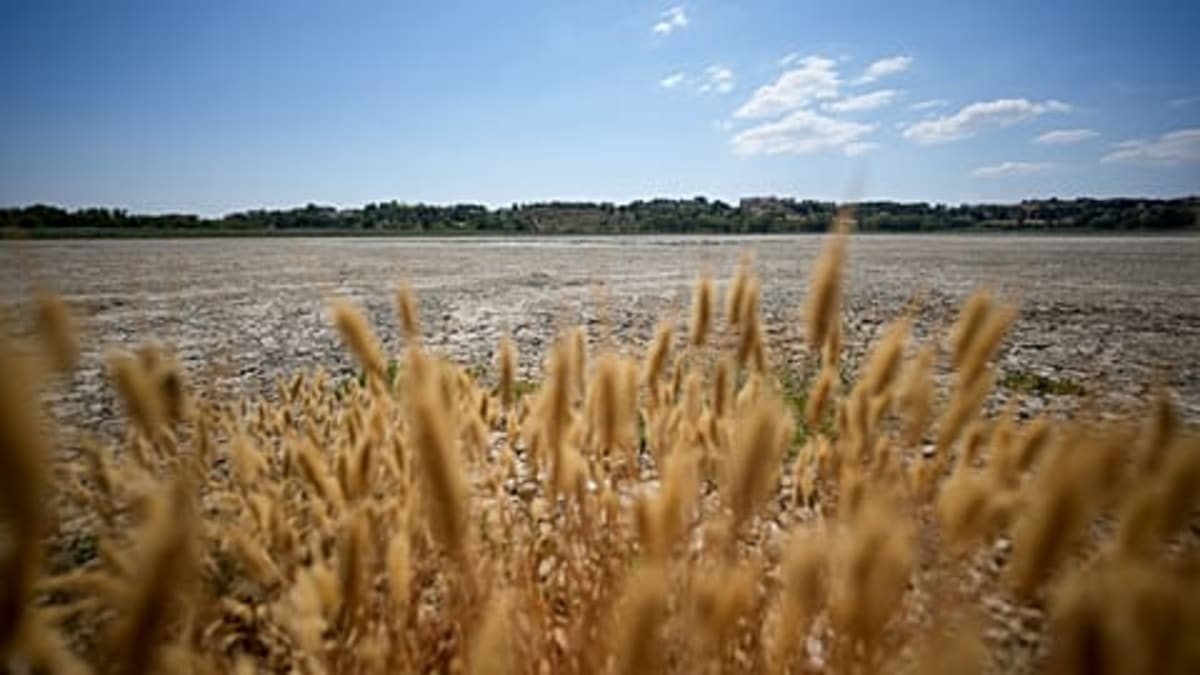
Even this year's exceptional drought tested the system. High temperatures caused flowers to drop before producing seeds, threatening yields. But Steinlé adapted his techniques, determined to keep supplying the customers who depend on his harvest.
The Ripple Effect
The cooperative's success is spreading across Alsace. Workplace canteens, hospitals, and producer-run shops now stock Graines d'Alsace products, giving thousands of people access to locally grown pulses for the first time.
The model shows how farmers facing climate challenges can turn constraints into opportunities. By switching crops, these producers didn't just survive drought conditions. They created a profitable business, improved their soil, reduced chemical use, and brought new foods to their region.
Other European farmers watching water supplies dwindle could follow the same path. France currently consumes just 1.6 kilograms of pulses per person annually, far below health recommendations, meaning enormous room for growth exists.
What started as four farmers experimenting with unfamiliar crops has become proof that agriculture can adapt, thrive, and feed communities even as the climate shifts.
More Images

Based on reporting by Euronews
This story was written by BrightWire based on verified news reports.
Spread the positivity!
Share this good news with someone who needs it