Alzheimer's Drug Shows 92% Safety Rate in Japan Study
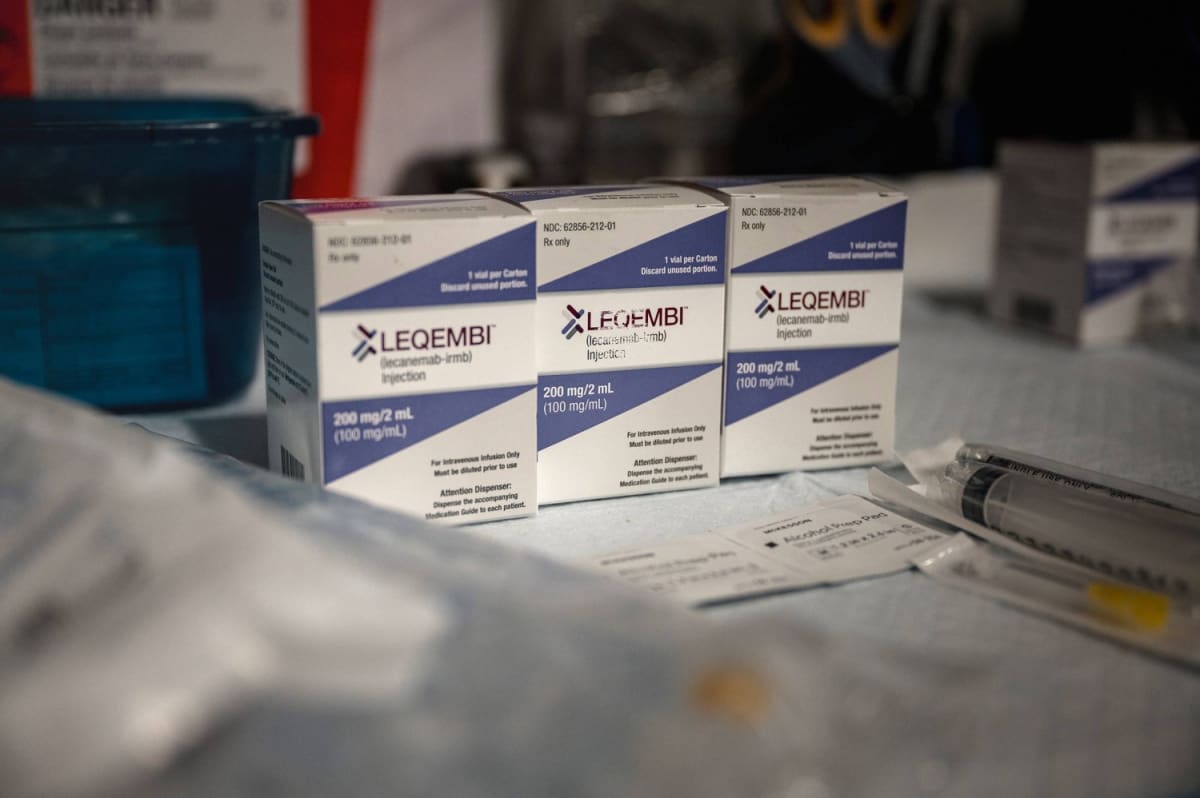
Over 90% of Alzheimer's patients in Japan continue treatment with Lecanemab without serious side effects, new research confirms. The breakthrough drug slows disease progression by targeting brain plaque buildup.
More than 2,600 Alzheimer's patients in Japan are getting real hope from a new drug that's proving both effective and remarkably safe in everyday use.
Lecanemab, developed by pharmaceutical companies Eisai and Biogen, has been treating patients across Japanese hospitals since December 2023. The drug works by removing amyloid beta, a harmful protein that builds up in the brains of Alzheimer's patients and accelerates cognitive decline.
Researchers led by Atsushi Iwata of Tokyo Metropolitan Institute for Geriatrics and Gerontology tracked 2,672 patients over 28 weeks. The patients averaged 76 years old, with about 60% experiencing mild cognitive impairment when treatment began.
The results offer genuine encouragement for families facing this devastating disease. While 7.1% of patients experienced minor side effects like small amounts of bleeding, only 0.1% faced serious complications. About 17% reported temporary fever or headaches that resolved within days.
More than 92% of patients remained on the treatment after 28 weeks, showing both its tolerability and patients' confidence in continuing therapy. This high retention rate suggests the drug fits well into real-world medical care, not just controlled clinical trials.
The Bright Side: This study marks a critical step beyond laboratory success. When promising treatments move from clinical trials to actual hospitals, they sometimes reveal unexpected problems. Lecanemab's safety profile held strong when tested in everyday medical practice across multiple facilities.
The drug represents the first treatment that actually slows Alzheimer's progression rather than just managing symptoms. For decades, families watched helplessly as loved ones declined. Now doctors have a tool that targets the disease itself.
Iwata confirmed that the safety data from real clinical practice matches what researchers hoped to see. The team plans to follow patients for up to three years to measure how well the drug maintains cognitive function over time.
This extended research will help doctors and families make informed decisions about long-term treatment. Early safety confirmation means more patients can access the therapy while researchers gather effectiveness data.
Alzheimer's affects millions worldwide, and every advance brings new possibilities for preserving precious memories and independence just a little longer.
More Images


Based on reporting by Japan Times
This story was written by BrightWire based on verified news reports.
Spread the positivity!
Share this good news with someone who needs it