Alzheimer's Drugs Now Slow Disease by 30%, Say Researchers
After decades of research, two FDA-approved medications can now slow Alzheimer's progression by up to 30%, and blood tests can detect the disease 15 to 20 years before symptoms appear. Scientists gathered in San Diego to share breakthrough findings that are transforming how we fight dementia.
Scientists working on Alzheimer's disease just delivered news that families have been waiting decades to hear: we're finally making real progress.
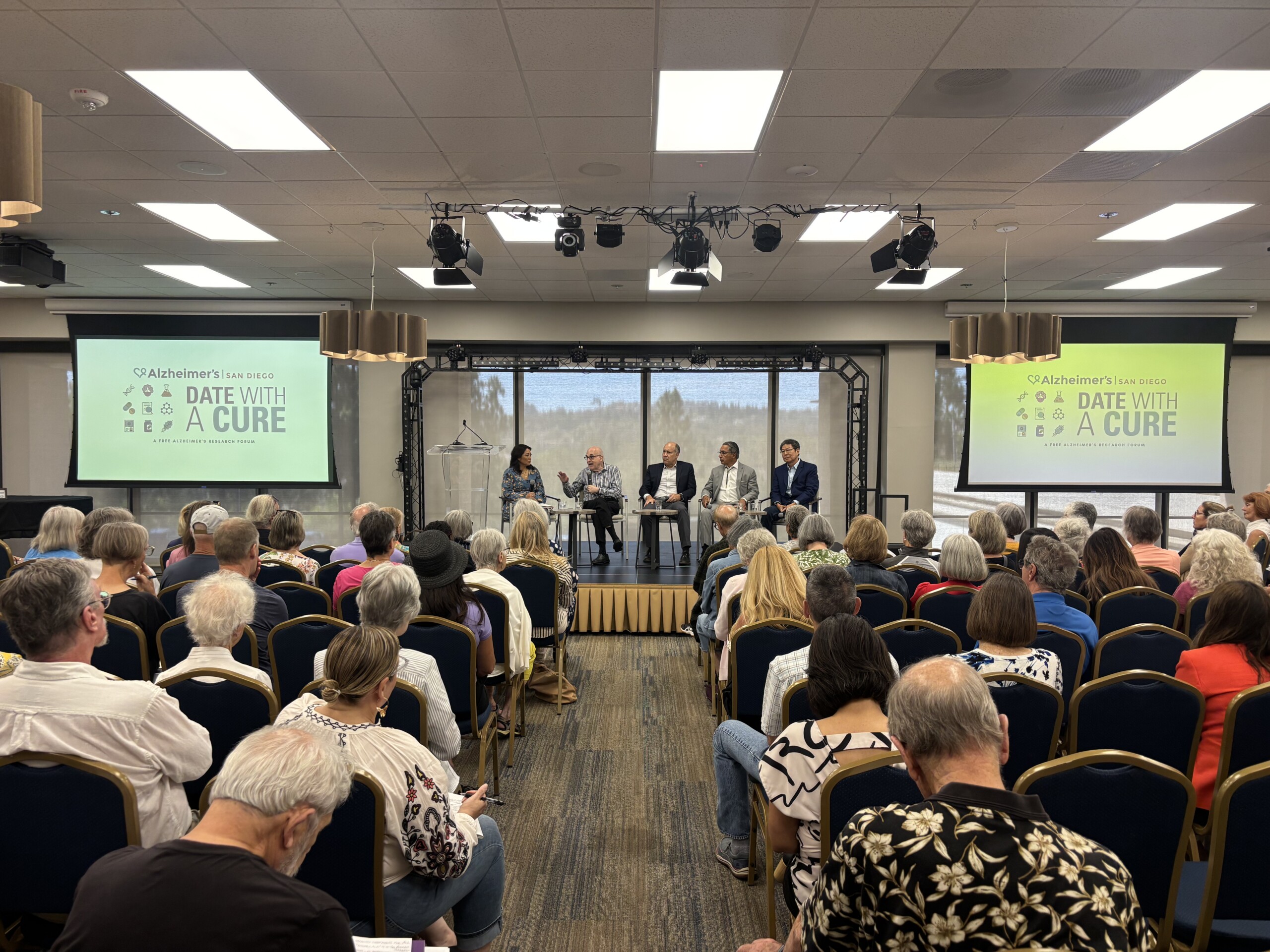
At a community forum in San Diego on August 1, 2026, leading researchers told an audience of patients and families that the fight against dementia has reached a turning point. Dr. Paul Aisen captured the mood perfectly: "These are really exciting times in Alzheimer's disease research. Many of the panelists here have been working on this for decades and it's only in the last few years that we have seen dramatic success."
The breakthrough starts with two new medications. Lecanemab and Donanemab are the first FDA-approved drugs that can actually slow the disease down by up to 30% in early stages. While they're not cures, they represent something researchers couldn't offer before: real time.
But the news gets even better. Blood tests can now detect Alzheimer's changes in the brain 15 to 20 years before any symptoms appear. Medicare already covers these tests, making early detection accessible to millions of people who need it most.
Dr. James Brewer, Dr. Hector González, and Dr. Jerold Chun joined the panel to explain how science has cracked the code on what triggers dementia at the molecular level. That knowledge is powering hundreds of clinical trials targeting every stage of the disease, including prevention studies that could stop Alzheimer's before it starts.
The researchers shared practical news too. Simple lifestyle choices make a real difference: eating a Mediterranean diet, exercising regularly, learning new skills, staying socially connected, managing blood pressure and blood sugar, and getting good sleep. Starting these habits early gives your brain the best chance to stay resilient.
Women's brain health is getting special attention now. Researchers at UC San Diego are studying why women face higher dementia rates and exploring the connection between Alzheimer's and menopause. One important finding: hormone replacement therapy doesn't prevent or treat dementia, despite online claims suggesting otherwise.
The panel tackled misinformation head-on. Carbon dioxide exposure, ketogenic diets, fish oil, creatine, and sauna time do not treat or prevent Alzheimer's, no matter what social media influencers claim. The researchers urged families to consult doctors before trying any treatment and to watch out for scammers targeting vulnerable people.
The Bright Side
After years of watching families struggle without hope, dementia care coaches now have concrete reasons for optimism. The combination of early detection, new medications, and prevention research means younger generations may face a very different future than their grandparents did. Clinical trials continue enrolling participants, and each person who joins helps researchers move closer to full prevention, which scientists estimate is about 10 years away.
Families touched by Alzheimer's have carried heavy burdens for too long, but the science is finally catching up to their courage.
More Images


Based on reporting by Health & Wellness Desk
Reset Your Focus With Today’s Daily Affirmations & Mood Check
Take a 60-second mindful pause with curated daily affirmations and our private positivity mood tracker.
Share This Good News Story
Send a dose of constructive journalism to someone who needs it today.
More Good News