Alzheimer's Protein Tau Actually Helps Build Lasting Memories
Scientists discovered that tau, the protein linked to Alzheimer's disease, plays a crucial role in creating memories that last. The finding could reshape how we treat dementia in the future.
The protein blamed for destroying memories in Alzheimer's patients might actually be essential for building them in the first place.
Researchers at Flinders University in Australia discovered that tau, long considered the villain in dementia, acts as a memory organizer in healthy brains. The protein helps determine which brain cells store important experiences and keeps those memories strong over time.
The team studied mice and found something surprising. Tau isn't needed for learning new information or remembering things in the short term. But without it, memories fade quickly instead of lasting weeks or months.
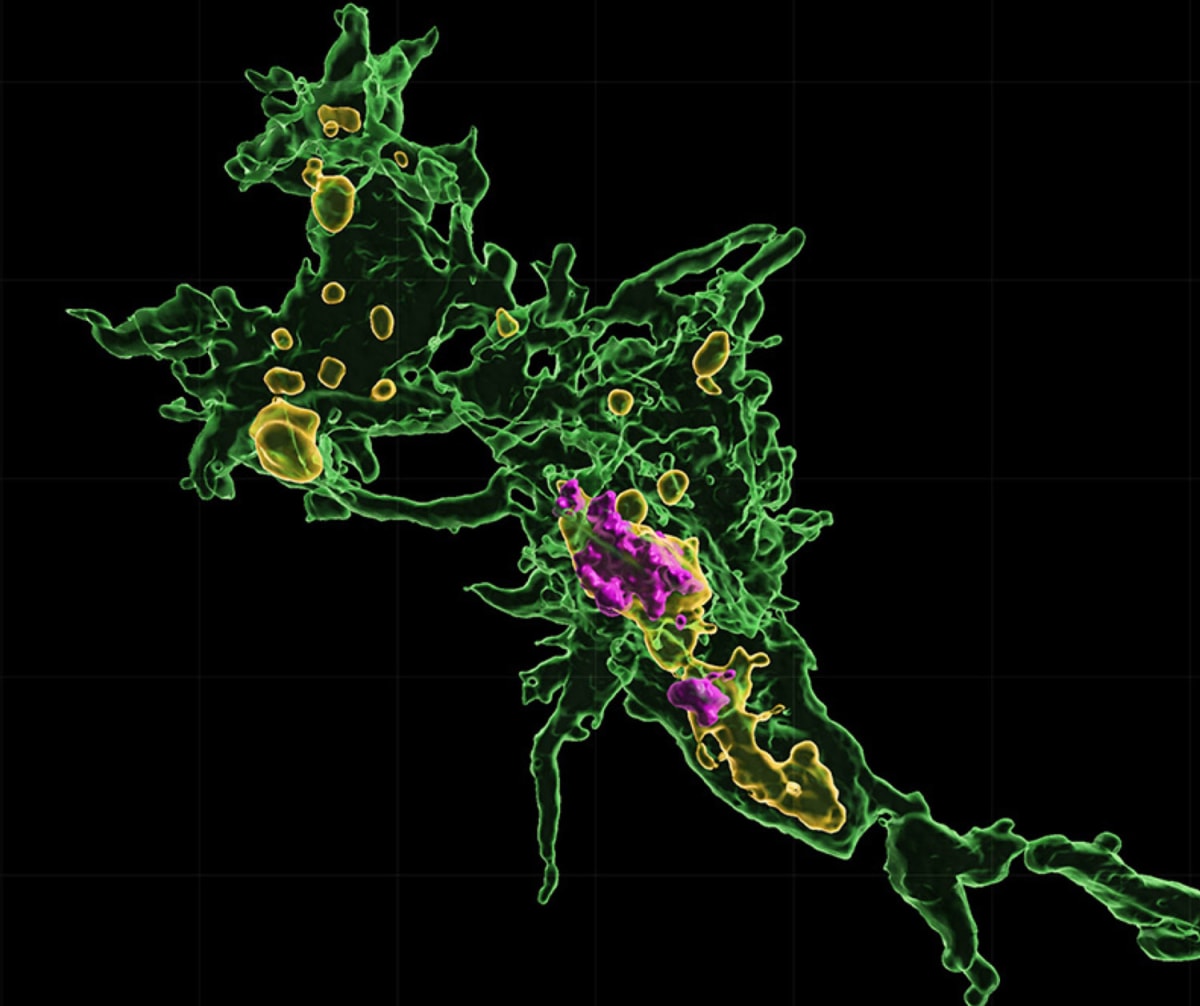
The discovery centers on special brain cells called engram cells that physically store our memories. When you learn something new, only a handful of these cells get selected to keep that memory safe.
Tau acts like a project manager during this selection process. It reduces background noise in the brain and helps choose exactly the right cells to form a clear, stable memory.
The researchers found that tau undergoes a chemical change called phosphorylation during learning. This change helps coordinate the engram cells so they work together properly. While abnormal phosphorylation causes Alzheimer's, controlled amounts are necessary for normal brain function.
Lead researcher Renée Kosonen says tau ensures memories form accurately. Without it, memories can still exist but they're weaker and harder to access through natural cues like sights and sounds.
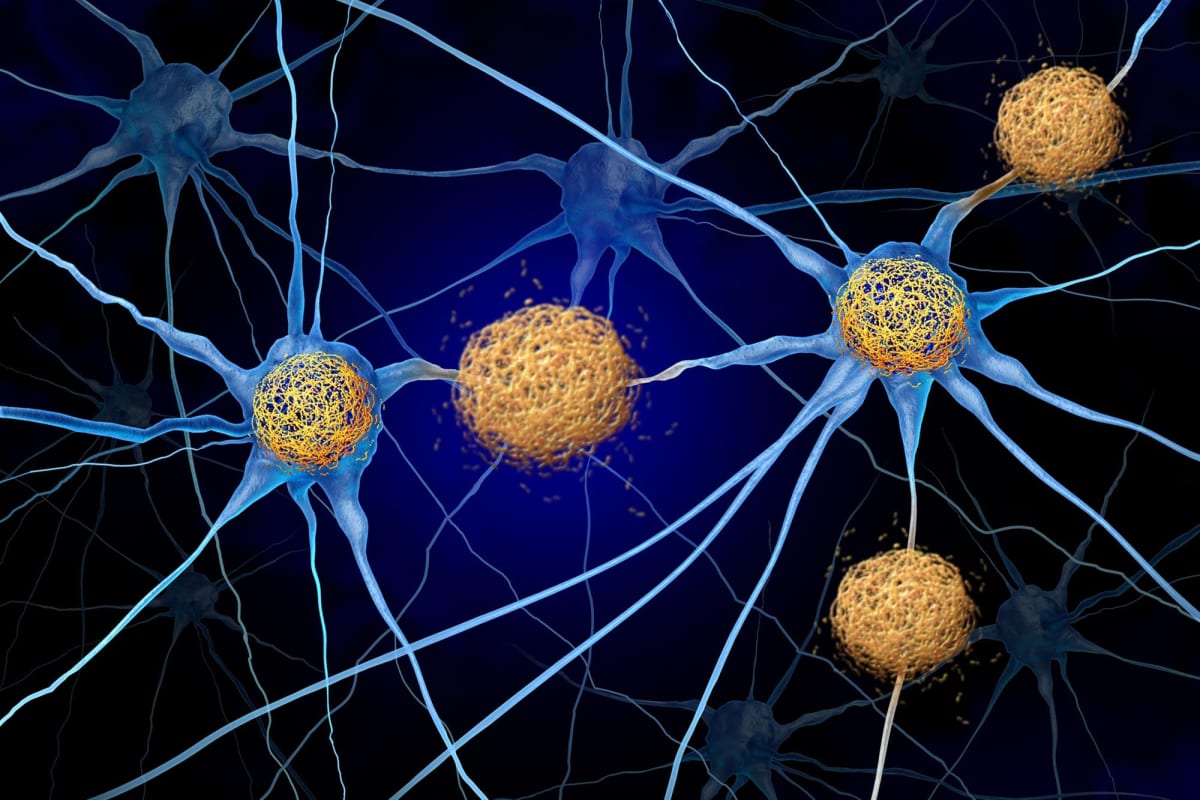
The study also revealed how abnormal tau causes memory problems in dementia. When disease-linked tau appears during learning, it disrupts new memory formation. When it shows up later, it blocks the brain's ability to retrieve memories that already exist.
Associate Professor Arne Ittner, who led the study, says this explains why dementia patients can sometimes learn new things but struggle to remember them later. The findings suggest memory loss in Alzheimer's isn't just about losing memories but also about problems organizing and accessing them.
The Bright Side
While this research was conducted in mice and can't be directly applied to humans yet, it opens exciting new doors for dementia treatment. Instead of just trying to remove tau from the brain, future therapies might focus on restoring its healthy function.
Understanding tau's dual role as both helper and villain could lead to treatments that preserve the protein's memory-building benefits while stopping its harmful effects. The researchers are hopeful their concepts can be confirmed in human memory studies soon.
This changes how we think about tau entirely. It's not just a disease protein but a fundamental part of how healthy brains organize and preserve our most important experiences.
More Images

Based on reporting by Google News - Scientists Discover
This story was written by BrightWire based on verified news reports.
Spread the positivity!
Share this good news with someone who needs it