Blood Test Predicts Alzheimer's Risk Up to 10 Years Early
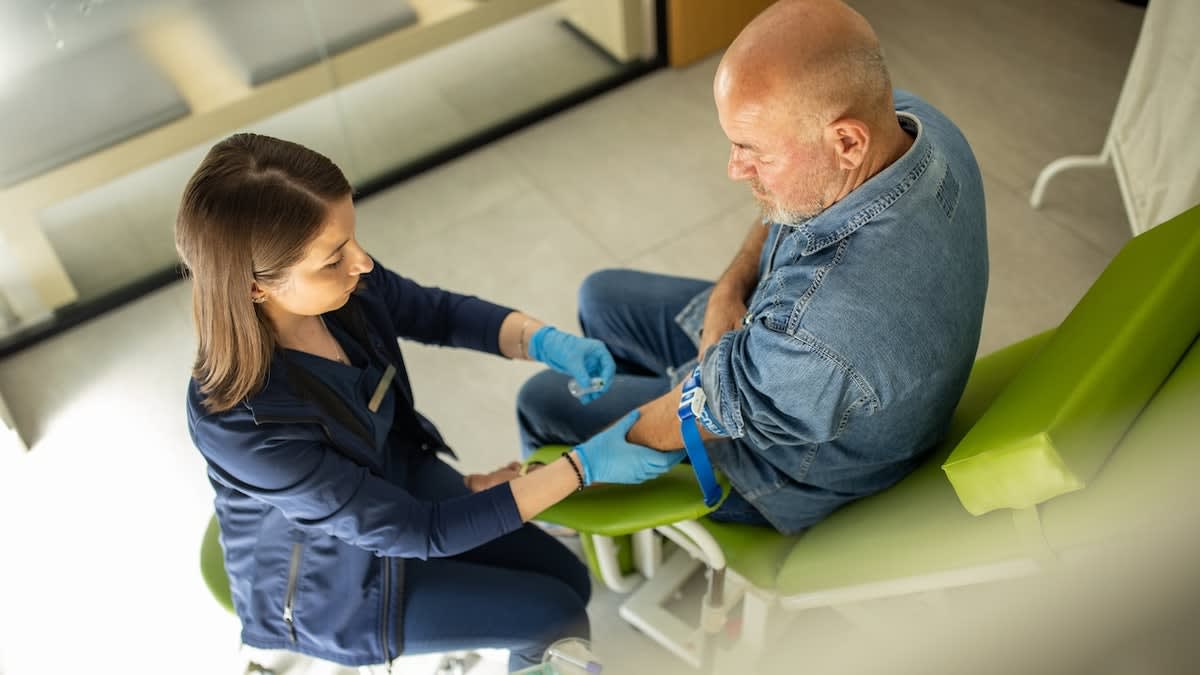
A simple blood test can now predict Alzheimer's risk up to a decade before symptoms appear, giving patients and doctors precious time to prepare. Harvard researchers found the test could revolutionize how we detect and eventually prevent dementia.
Scientists have developed a blood test that can predict who will develop Alzheimer's disease up to 10 years before memory problems begin.
The breakthrough comes from Harvard researchers who tracked nearly 2,700 healthy older adults for a decade. They measured a protein called p-tau217, which signals harmful buildup in the brain long before any symptoms appear.
The results were striking. People with high levels of p-tau217 had a 78% chance of developing cognitive problems within 10 years. Even those with moderately elevated levels faced a 45% risk over the same period.
The test works similarly to how doctors use cholesterol screenings to predict heart disease risk. By catching Alzheimer's in its silent stage, the blood test gives patients something they've never had before: advance warning.
Dr. Rachel Buckley, the study's lead author and an associate professor at Harvard Medical School, presented the findings at the Alzheimer's Association International Conference in London. The research appeared simultaneously in The Journal of the American Medical Association.
The timing couldn't be better. Researchers emphasized that targeting the disease before memory loss begins is where future treatments will have the greatest impact.
Why This Inspires
This discovery opens doors that seemed closed just years ago. Families watching loved ones slip away to dementia have long wished for earlier answers, and now science is delivering.
The blood test could soon help recruit patients for clinical trials testing treatments that prevent cognitive decline. When those treatments get approved, doctors will have a simple tool to guide monitoring and counseling for patients and families.
Maria Carrillo, chief science officer at the Alzheimer's Association, said the test could fundamentally change how we diagnose, treat and potentially prevent dementia. Early detection means people can begin interventions before symptoms develop.
The researchers noted that age, genetics, kidney function and background also influence dementia risk. They're calling for longer studies with more diverse groups to perfect the risk estimates, but the foundation is solid.
For the first time, we're not just reacting to Alzheimer's after it strikes. We're getting ahead of it.
More Images


Based on reporting by Google News - Health
This story was written by BrightWire based on verified news reports.
Spread the positivity!
Share this good news with someone who needs it