NHS Approves Life-Saving Drugs for 200 Rare Cancer Patients
Children as young as eight with rare blood cancers now have access to two groundbreaking treatments through NHS England. The new drugs offer hope where other therapies have failed, with some patients able to take treatment at home instead of in hospitals.
Hundreds of families facing devastating rare cancer diagnoses just received news that changes everything.
NHS England approved two cutting-edge treatments that will help around 200 children and adults each year who are fighting rare blood cancers. For many, these drugs represent their last hope after other treatments have failed.
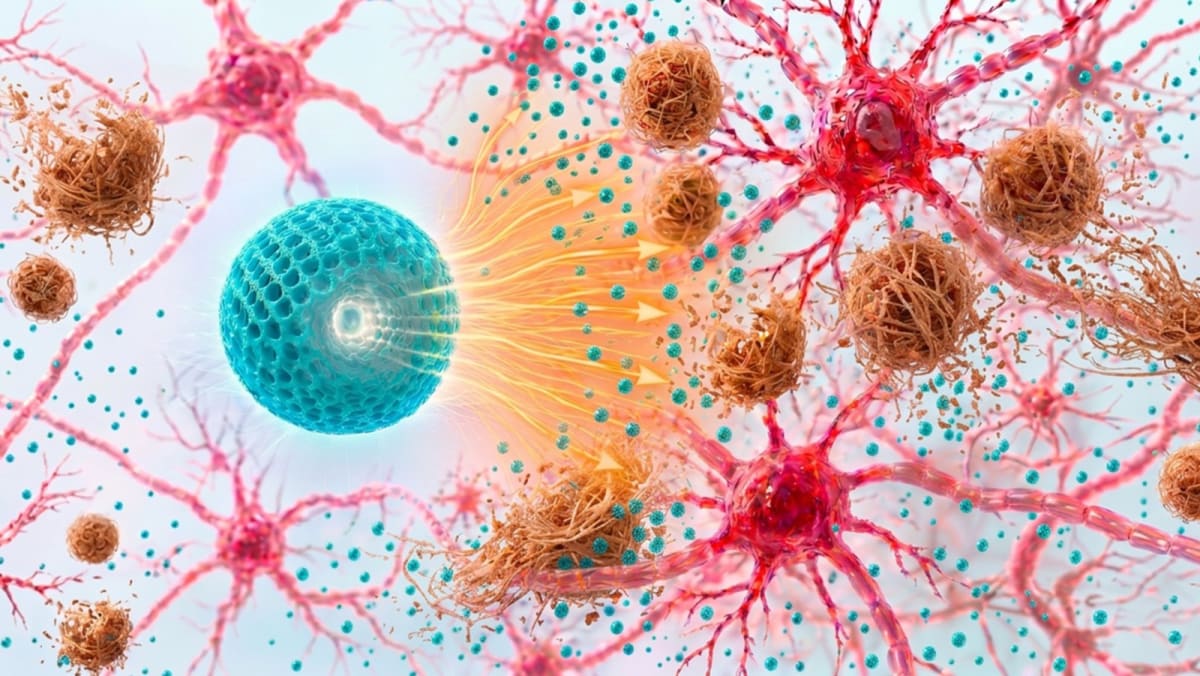
The first drug, dabrafenib, treats histiocytic neoplasms through a simple tablet taken at home. Without effective treatment, one in ten children with high-risk disease die within a year of diagnosis, while seven in ten adults die within five years. The tablet works by blocking proteins that fuel cancer growth, potentially stopping the disease in its tracks.
The second treatment combines three powerful medications that target Hodgkin lymphoma with laser precision. Children as young as eight whose cancer has returned or never responded to initial treatment can now receive this therapy. The drug attaches to cancer cells and delivers its cancer-killing payload directly inside them, achieving high remission rates and helping patients become strong enough for potentially life-saving stem cell transplants.
Lesley Coombs knows firsthand what these approvals mean. The 69-year-old grandmother from Cambridgeshire received dabrafenib four years ago when she faced a "one in 60 million" cancer combination. Within just three days of starting the drug, her tumor began shrinking rapidly. Her planned radiotherapy was put on hold, and she never needed the stem cell transplant doctors had warned might be necessary.
Today, Lesley cycles 40 miles regularly, walks up to 10 miles, and takes activity-filled holidays with her grandchildren. She remains in complete remission.
The Ripple Effect
These approvals represent more than just two new treatment options. They mark a fundamental shift in how the NHS approaches rare cancers, moving toward personalized, mutation-specific treatments that work with each patient's unique genetic makeup rather than against their entire body.
The precision approach means better outcomes and fewer devastating side effects. Patients can spend more time living their lives and less time confined to hospital beds. Families can hold onto hope even when standard treatments have failed.
Professor Peter Johnson, NHS National Clinical Director for Cancer, calls this a landmark moment that gives patients "renewed hope" while allowing many to take treatment at home. The rollout aligns perfectly with the NHS's new 10-Year Cancer Plan, which prioritizes improving treatment access for rare cancers.
For the 200 families who will benefit each year, these aren't just statistics or medical breakthroughs. They're birthdays celebrated, school plays attended, and grandchildren hugged tight.
Based on reporting by Google: new treatment approved
This story was written by BrightWire based on verified news reports.
Spread the positivity!
Share this good news with someone who needs it