Alzheimer's Specialist Charts Path for Earlier Brain Care
A neurologist who specializes in Alzheimer's disease missed the early signs in her own father, revealing a critical gap in how we approach brain health. Her experience is driving a movement toward prevention instead of waiting for decline.
Dr. Elizabeth Bevins watched her father struggle to recognize her family dog, an animal he'd known for years, and immediately understood what was happening. As an Alzheimer's specialist at UC San Diego, she knew the signs, but like most families, she'd explained away the small mistakes for too long.
Her father's primary care doctor had no tools to act on her mother's earlier concerns. By the time the diagnosis became unavoidable, the disease had already been progressing for over a decade.
This gap in care happens to thousands of families every year, but Dr. Bevins is working to change that. Her message is clear: we need to stop treating Alzheimer's as a sudden disease of old age and start addressing it as the long, slow process it actually is.
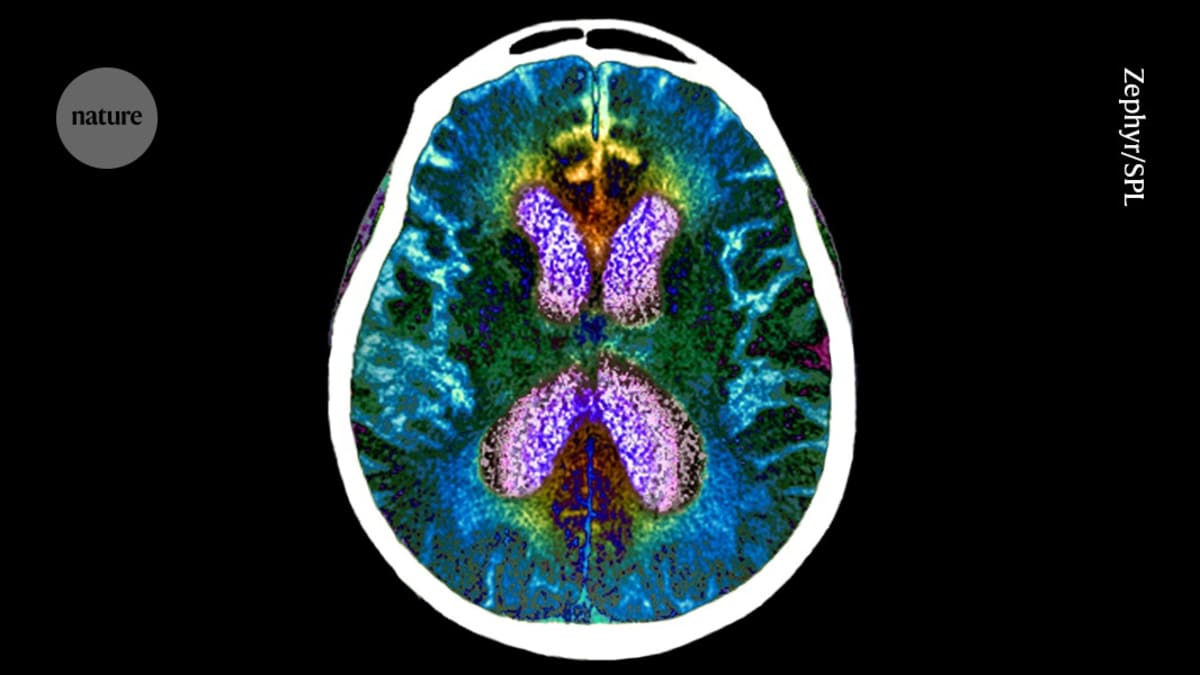
The science shows that Alzheimer's begins 15 to 20 years before symptoms appear. Amyloid proteins accumulate silently while people are still working, raising families, and living fully active lives. The current medical system only steps in after substantial brain damage has already occurred.
The good news is that change is coming. In 2025, the FDA approved the first blood tests for Alzheimer's that can be used in primary care settings. These tests can detect disease-related changes years before memory problems begin, opening a window for earlier action.
Large studies have identified factors that significantly reduce dementia risk, including heart health, sleep quality, physical activity, and social connection. Clinical trials testing combinations of these interventions have successfully preserved cognitive function in people at higher risk.
New medications are also showing promise. Disease-modifying therapies have proven effective in early symptomatic disease, and researchers are now testing whether they work even better when given before symptoms start. The AHEAD clinical trial, which finished recruiting in 2024, is studying whether treating elevated amyloid levels in people without symptoms can prevent decline.
Why This Inspires
Dr. Bevins is advocating for a complete shift in how medicine approaches brain health. She envisions a system like the one we use for heart disease: assess risk early, monitor changes over time, and intervene before damage becomes irreversible. Primary care doctors would have clear guidelines for identifying people at elevated risk and referring them for specialized evaluation before symptoms emerge.
The framework exists in other areas of medicine. We don't wait for heart attacks to start managing cholesterol. We don't wait for strokes to address high blood pressure. Brain health deserves the same proactive approach.
Dr. Bevins emphasizes that this shift must be evidence-based and transparent. Biomarkers should be used thoughtfully, where results would actually change care plans. Uncertainty should be acknowledged openly. The goal isn't to create anxiety but to create opportunity for people who want to protect their brain health while they still can.
Her father represents what this disease looks like for millions of families: years of silent changes followed by an inevitable decline that could have been addressed much earlier. The medical system gave her family no pathway for thinking about his risk before his symptoms became unmistakable.
That failure is changing into opportunity as doctors, researchers, and advocates push for prevention-focused brain care that could help the next generation avoid what this one has endured.
More Images



Based on reporting by STAT News
This story was written by BrightWire based on verified news reports.
Spread the positivity!
Share this good news with someone who needs it