Amateur Finds Germany's Largest Roman Coin Hoard
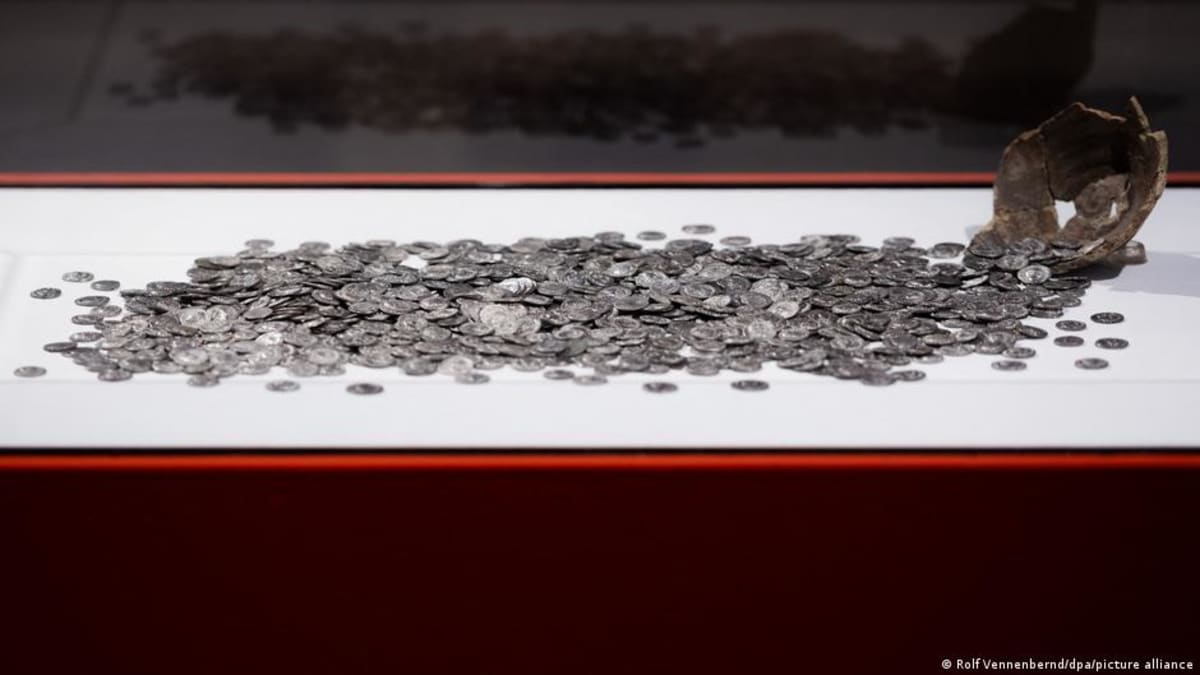
A hobbyist with a metal detector just unearthed 934 ancient Roman silver coins near Cologne, the largest discovery of its kind in German history. The 1,800-year-old fortune represents about six years of a Roman soldier's savings.
Imagine finding loose change and realizing it's actually a fortune from ancient Rome. That's exactly what happened to Oliver Riedl, an amateur archaeologist who struck silver near Wesseling, Germany.
Riedl was scanning the ground with his metal detector south of Cologne when he found several unusual coins. "It was clear to me that there was something significant here," he said, describing the moment that would lead to Germany's most impressive Roman treasure discovery.
Instead of pocketing his find, Riedl did something remarkable. He immediately contacted authorities and requested professional help to properly excavate the site.
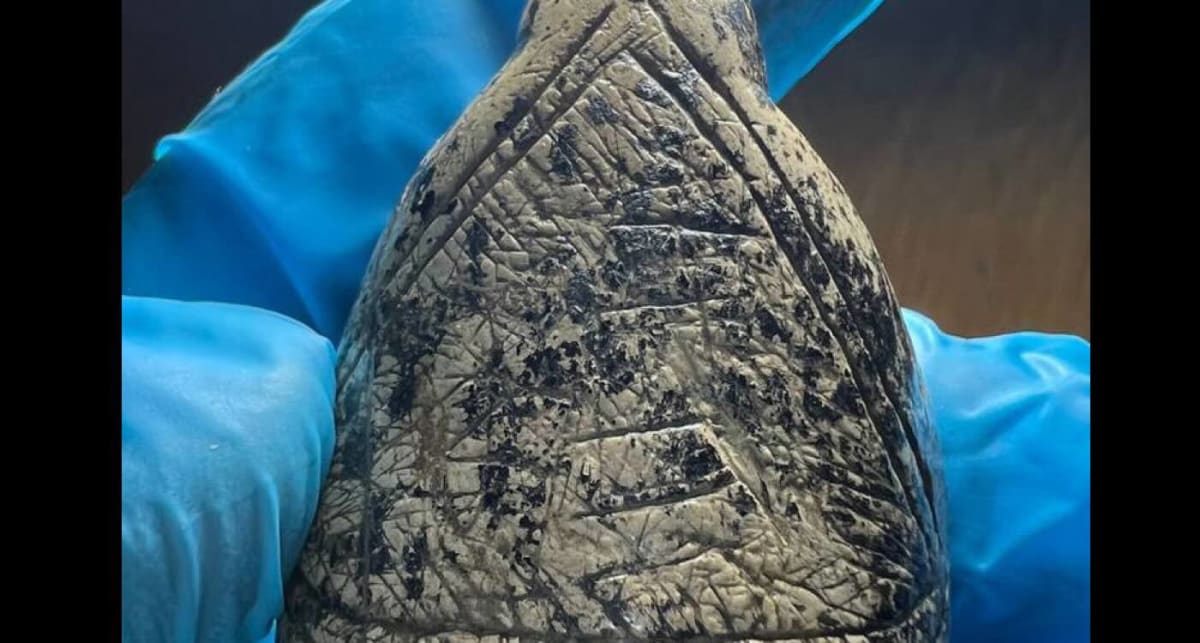
His decision paid off for everyone. A team of experts carefully unearthed a total of 934 Roman silver coins called denarii, all dating back to the 2nd century AD during Emperor Hadrian's reign.
The hoard went on display Tuesday at the LVR-LandesMuseum Bonn. According to regional archaeological authorities, nothing this extensive from Hadrian's era has ever been found in Germany.
Who buried this fortune remains a mystery. Erich Classen, North Rhine-Westphalia's chief archaeologist, believes someone hid the coins for safekeeping during the second quarter of the 2nd century.
"After all, banks did not exist at that time," Classen explained. The owner likely died before retrieving the treasure or telling anyone where it was hidden.
The Bright Side
Understanding the value of this discovery puts it in perspective. Researcher Rahel Otte from the state archaeological office explained that an ordinary Roman legionary earned about 300 denarii annually, with half deducted for food and equipment.
"A legionary would have had to save all of his disposable income for around six years to accumulate a treasure like the Wesseling hoard," Otte said. This wasn't pocket change for anyone.
The Cologne region remained under Roman control from 39 BC to AD 459, when Romans established military outposts along the Rhine River. One of those outposts grew into Colonia Agrippina, today's Cologne.
While Roman coin hoards aren't uncommon in this historically rich region, few 2nd-century collections match this discovery's size. Riedl's patience and integrity ensured these ancient artifacts could be properly preserved and shared with the world.
Someone's carefully hidden savings from 1,800 years ago now tells us their story.
More Images

Based on reporting by DW News
This story was written by BrightWire based on verified news reports.
Spread the positivity!
Share this good news with someone who needs it