Amateur Stargazer Finds 390-Million-Year-Old Impact Crater
A Quebec camper planning a wilderness trip spotted a mysterious circle on satellite maps that scientists confirmed as a massive ancient asteroid impact. The 16-mile-wide crater is the largest discovered in six years.
When Joël Lapointe searched online maps for a good camping spot in Quebec's wilderness, he never expected to make one of the biggest geological discoveries of the decade.
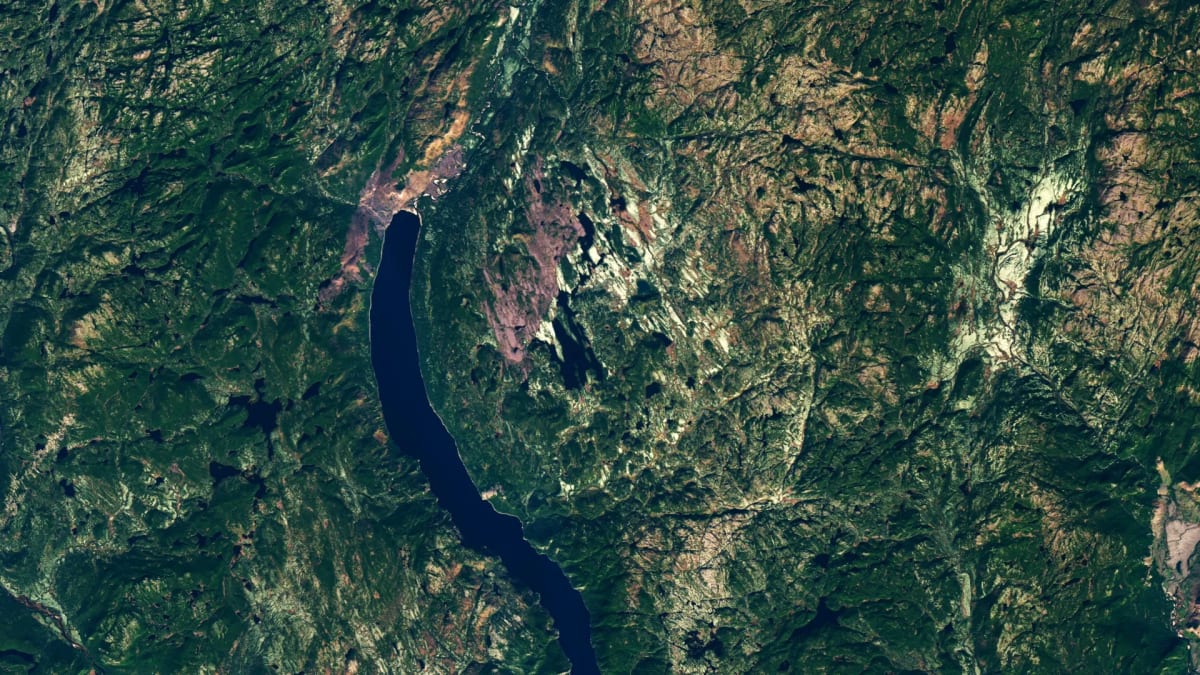
In 2024, Lapointe noticed something odd near Lake Marsal: a subtle circular pattern that didn't look quite natural. As an amateur astronomer, he wondered if it could be an impact crater and decided to email some scientists.
His hunch turned out to be spectacularly correct. After a grueling expedition through swampy terrain in October 2025, researchers confirmed the site is a 390-million-year-old impact crater stretching 16 miles across.
Getting there was an adventure itself. Gordon Osinski, a planetary geologist at Western University, led a team that flew in by floatplane but couldn't reach shore. They waded through 165 feet of water carrying their equipment, then faced what Osinski called some of the most difficult terrain he'd encountered in decades of fieldwork across six continents.
The breakthrough came on day two when the team found shatter cones scattered across multiple rock outcrops. These distinctive rock formations only form under the extreme pressure of asteroid impacts, providing unmistakable proof.
Previous surveys had mistaken the shattered rocks for volcanic activity. The shatter cones told a completely different story.
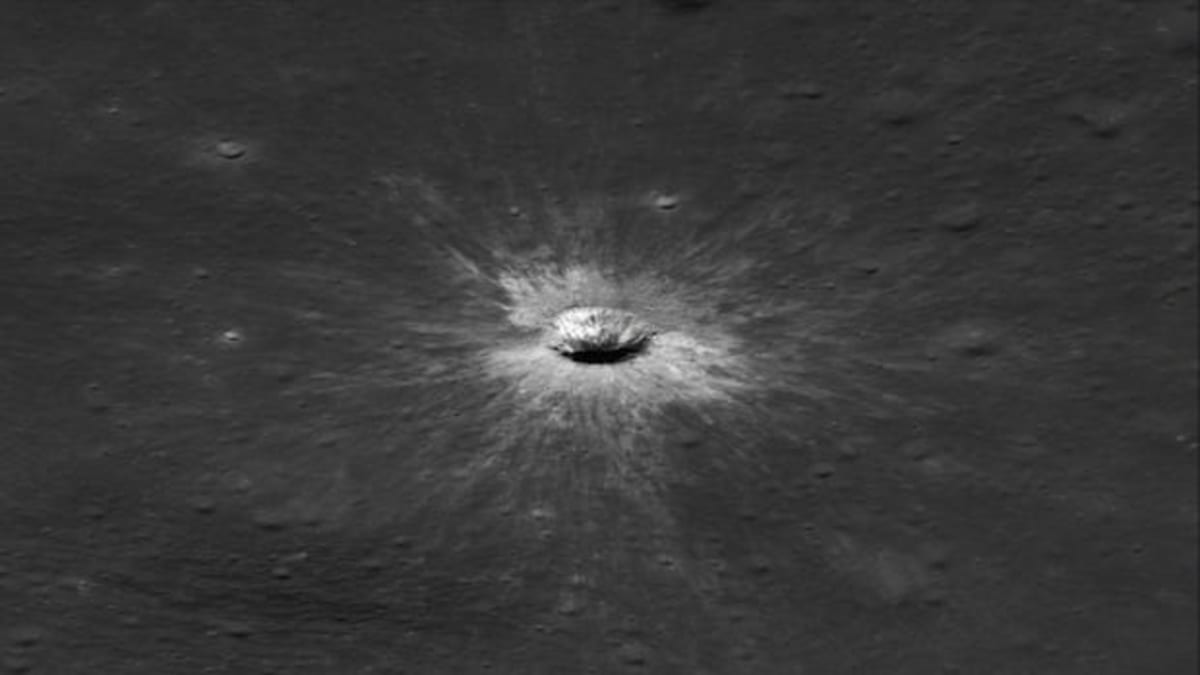
The crater, now called Uhackatik after discussions with the local Innu Council, formed when a massive object slammed into Earth around 390 million years ago. A similar impact today would devastate entire cities and affect global climate.
Only about 200 confirmed impact craters exist on Earth, though scientists believe hundreds more remain hidden. Uhackatik is the largest discovered since the 19-mile Hiawatha crater turned up in Greenland in 2018.
The Ripple Effect
Lapointe's discovery shows how everyday curiosity can unlock major scientific breakthroughs. He told reporters he was "over the Moon" when the impact was confirmed and now encourages others to trust their observations, even outside their expertise.
His experience highlights a growing movement of citizen scientists making real contributions to research. NASA runs programs where anyone can help search for asteroids, spot meteoroid strikes on the Moon, or identify distant exoplanets.
The Meteoritical Society is expected to formally recognize Uhackatik when it next meets. Meanwhile, researchers continue analyzing rock samples to learn more about this ancient collision that reshaped the Quebec landscape millions of years before dinosaurs walked the Earth.
Sometimes the biggest discoveries start with someone simply paying attention.
Based on reporting by Science Daily
This story was written by BrightWire based on verified news reports.
Spread the positivity!
Share this good news with someone who needs it