Amateur's UV Torch Trick Reveals Glowing Rare Butterflies
A lockdown walker in Surrey discovered a rare butterfly never seen in the county, then revolutionized how scientists track them with a simple UV torch. His technique is now being adopted worldwide.
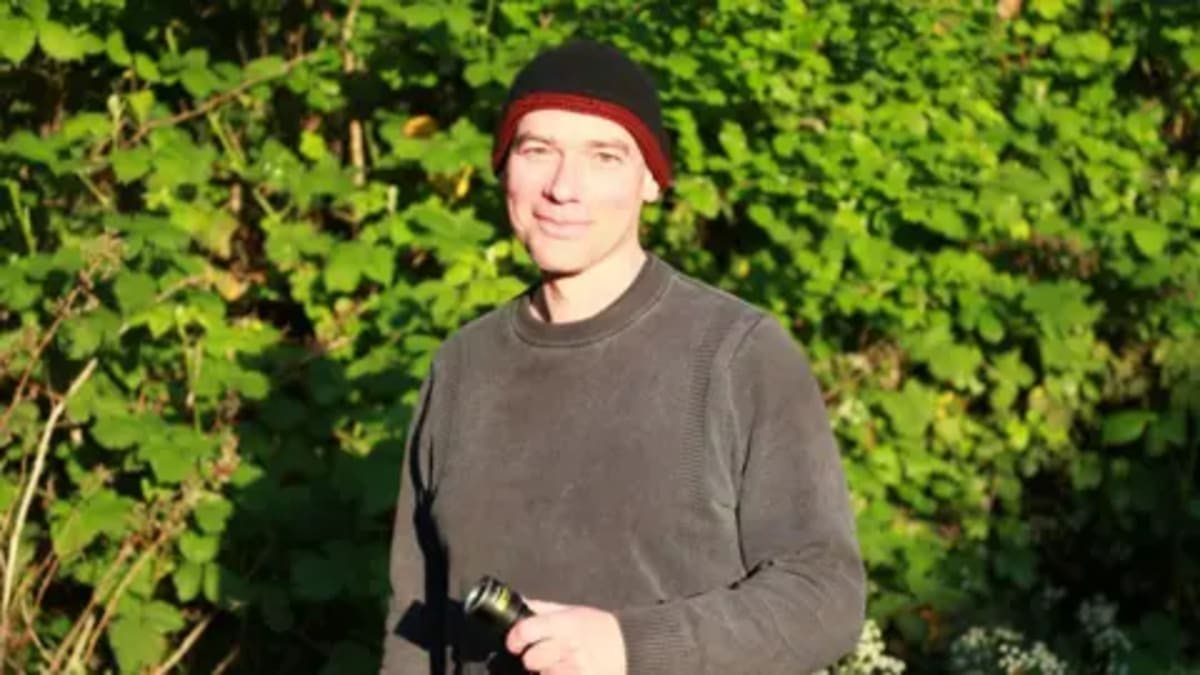
When Gareth Tilley spotted an unusual butterfly during a lockdown walk in Epsom in 2020, he had no idea his discovery would change conservation science. The amateur butterfly enthusiast had just found Britain's elusive black hairstreak in a place it had never been recorded.
Black hairstreaks are notoriously difficult to study. The caterpillars look like leaves, the chrysalis resembles bird droppings, and adults stay hidden high in tree canopies.
Before Tilley's find, the species lived exclusively in woodlands between Oxford and Peterborough. The butterfly's UK range has shrunk by 33% since 2002 due to habitat loss.
When Tilley told locals about his discovery, some thought it was a one-off illegal release. He partnered with Butterfly Conservation, the local council, and the University of Sussex to prove the butterflies truly lived in Surrey.
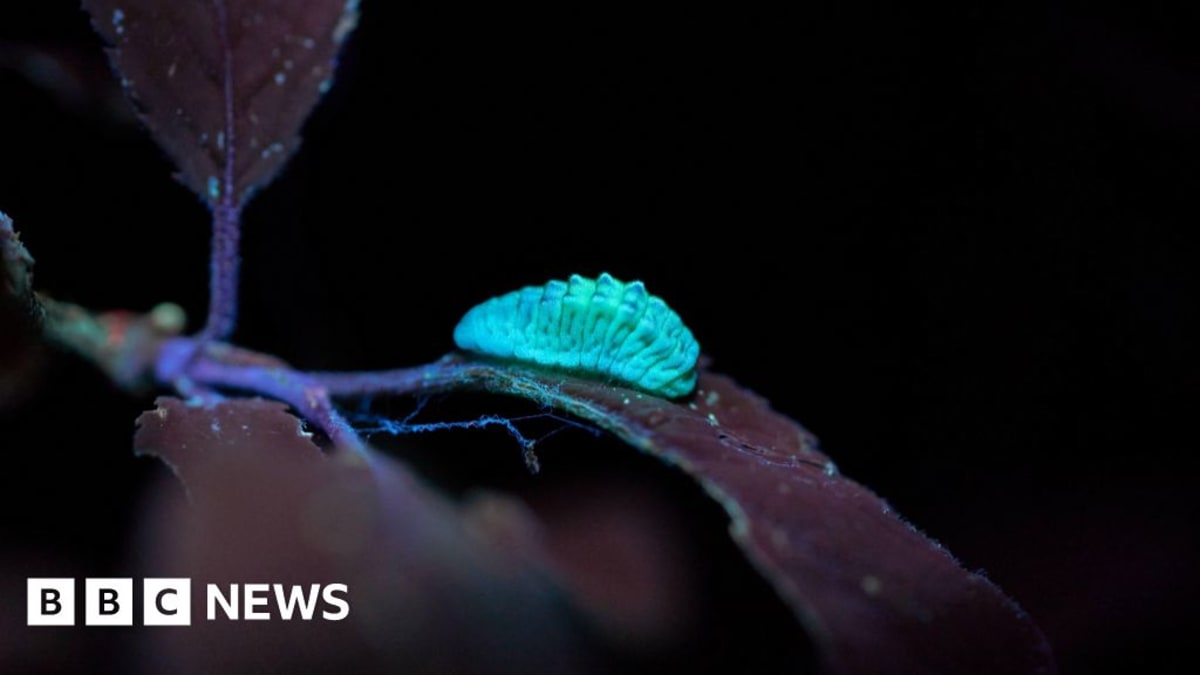
But finding them remained a challenge. Then Tilley learned that some caterpillars in the United States glow under UV light.
In May 2022, he bought a UV torch to test the theory on British species. "I was skeptical it would work," he said, "but when I found a caterpillar, it didn't just glow, it was incredibly bright."
That first evening, he found 46 caterpillars. Scientists still don't know why the caterpillars glow, whether it deters predators or serves another purpose entirely.
The Ripple Effect
Butterfly Conservation now recognizes the breakthrough and is promoting UV surveying for hairstreaks across Britain. Steven Lofting, the charity's southeast conservation manager, said Tilley's work made a "hugely valuable contribution" to butterfly conservation in the UK.
The technique reveals far higher butterfly populations than traditional methods. It's also proving to be a fun, engaging way to involve volunteers in conservation work.
Tilley is now sharing his discovery with conservation groups internationally, including teams in Australia. A simple walk during lockdown and a $20 torch are helping save one of Britain's rarest butterflies.
More Images

Based on reporting by BBC Science
This story was written by BrightWire based on verified news reports.
Spread the positivity!
Share this good news with someone who needs it
%2Fhttps%3A%2F%2Ftf-cmsv2-smithsonianmag-media.s3.amazonaws.com%2Ffiler_public%2Fb1%2F80%2Fb180ba86-f7df-4b9b-8a16-bb7da22ea355%2Fmbari_bigfinsquid_d1510_01_1920.png)