Amazon Communities Protect Fish and Save 86x More Forest
In Brazil's Amazon, families guarding oxbow lakes to protect giant pirarucu fish are accidentally conserving forests 86 times larger than the waters they patrol. These volunteer protectors work without pay, but their efforts are connecting rivers to forests in ways scientists never expected.
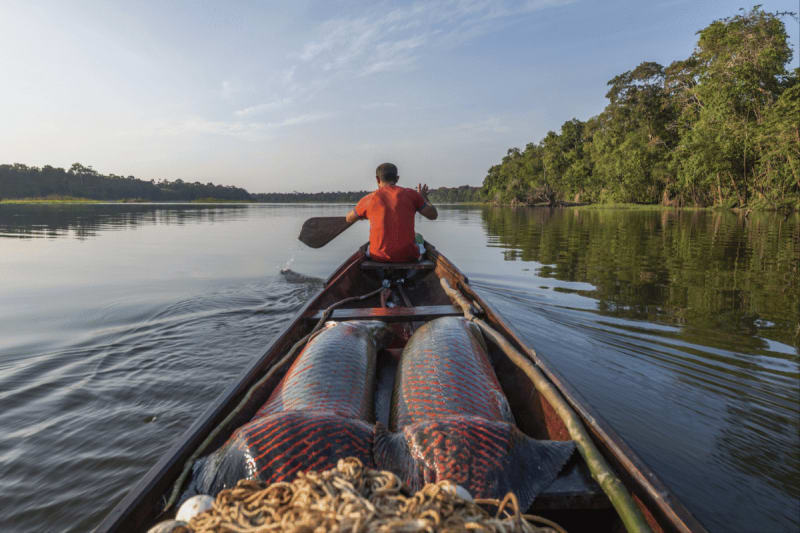
From wooden watchtowers on Brazil's winding Juruá River, local families take turns watching for poachers who hunt pirarucu, the Amazon's largest freshwater fish. What started as protecting their dinner table has become the largest community conservation project in the Brazilian Amazon.
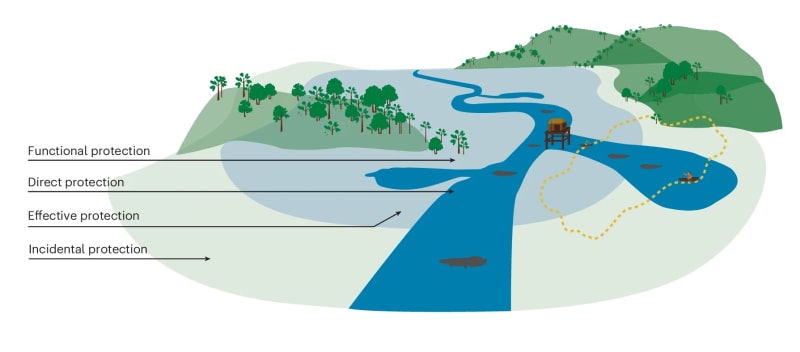
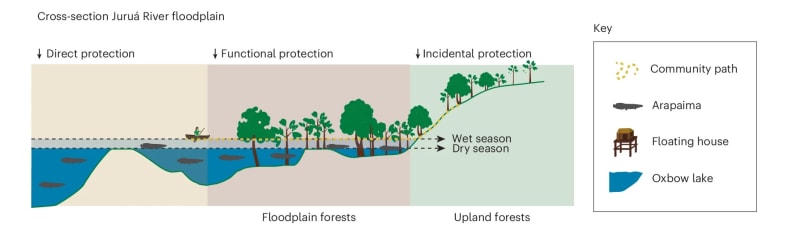
A new study in Nature Sustainability reveals these community patrols do far more than save fish. By guarding 96 oxbow lakes, 14 communities are protecting surrounding floodplain and upland forests covering an area 86 times larger than the lakes themselves.
The pirarucu, which can grow longer than a grown adult, moves between lakes and flooded forests depending on the season. When communities block illegal fishers from accessing the lakes, they're also cutting off poacher routes into vast stretches of forest that would otherwise face illegal logging and hunting.
Ana Carla Rodrigues, study co-author, says the findings show how protecting water can save land. The fish act as an ecological anchor, connecting river systems to forests in ways that benefit hundreds of other species.
Local knowledge makes this system work. Families know when river levels drop and pirarucu concentrate in lakes, so they increase patrols during dry season. They confiscate illegal fishing gear, report poachers to authorities, and coordinate surveillance across communities.
But this conservation comes with a hidden price tag. Guards spend days away from paid work, cover their own patrol costs, and sometimes face dangerous confrontations with armed poachers. The study found surveillance costs represent 32% of total community expenses and cuts household income by 21%.
These families bear the full financial burden of protecting ecosystems that benefit the entire planet. They receive no payment for their round-the-clock conservation work.
The Ripple Effect
The impact goes beyond numbers on a map. Ponds with pirarucu host significantly more biodiversity than those without them. Ichthyologist Lesley de Souza calls them "the mother of all fish" because their presence supports entire food webs.
The species has survived since dinosaur times, and in some communities, pirarucu are considered sacred. By protecting these ancient fish, families are preserving both ecological and cultural heritage.
Researchers say payments for environmental services could ease the financial pressure on these volunteer conservation heroes. João Campos-Silva from the Juruá Institute, which supports these communities, believes combining traditional knowledge with modern science is key to the Amazon's future.
These fishing families prove that local communities aren't just capable of managing natural resources. They're already doing it at a scale that puts many government programs to shame.
More Images


Based on reporting by Google News - Conservation Success
This story was written by BrightWire based on verified news reports.
Spread the positivity!
Share this good news with someone who needs it