Amazon Communities Turn Forest Care Into Income
Indigenous and traditional communities in the Brazilian Amazon are getting help turning forest products into sustainable income while protecting the rainforest. A Penn State team is connecting them with global researchers to co-develop technologies that add value to Brazil nuts, natural rubber, and forest oils.
Communities that have protected the Amazon rainforest for generations are now getting support to turn their conservation work into economic opportunity.
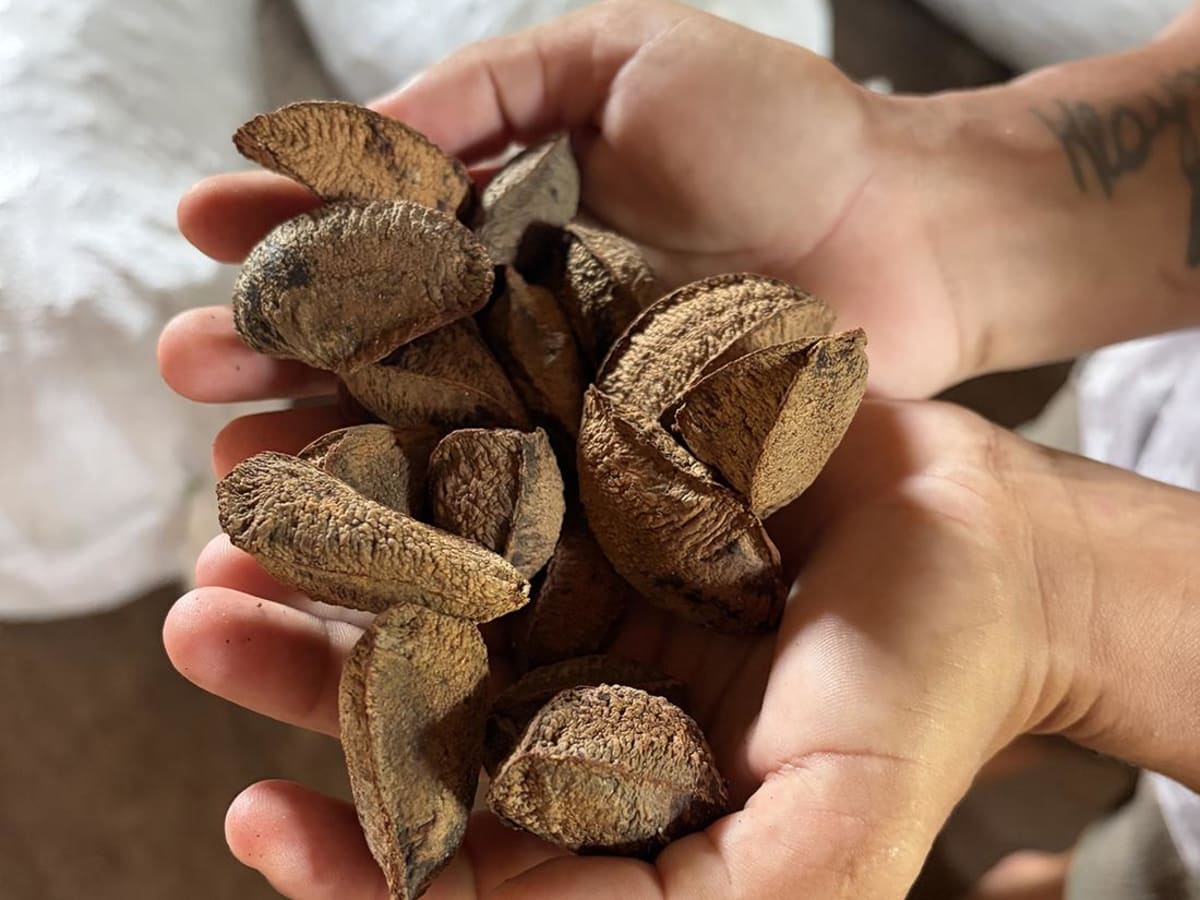
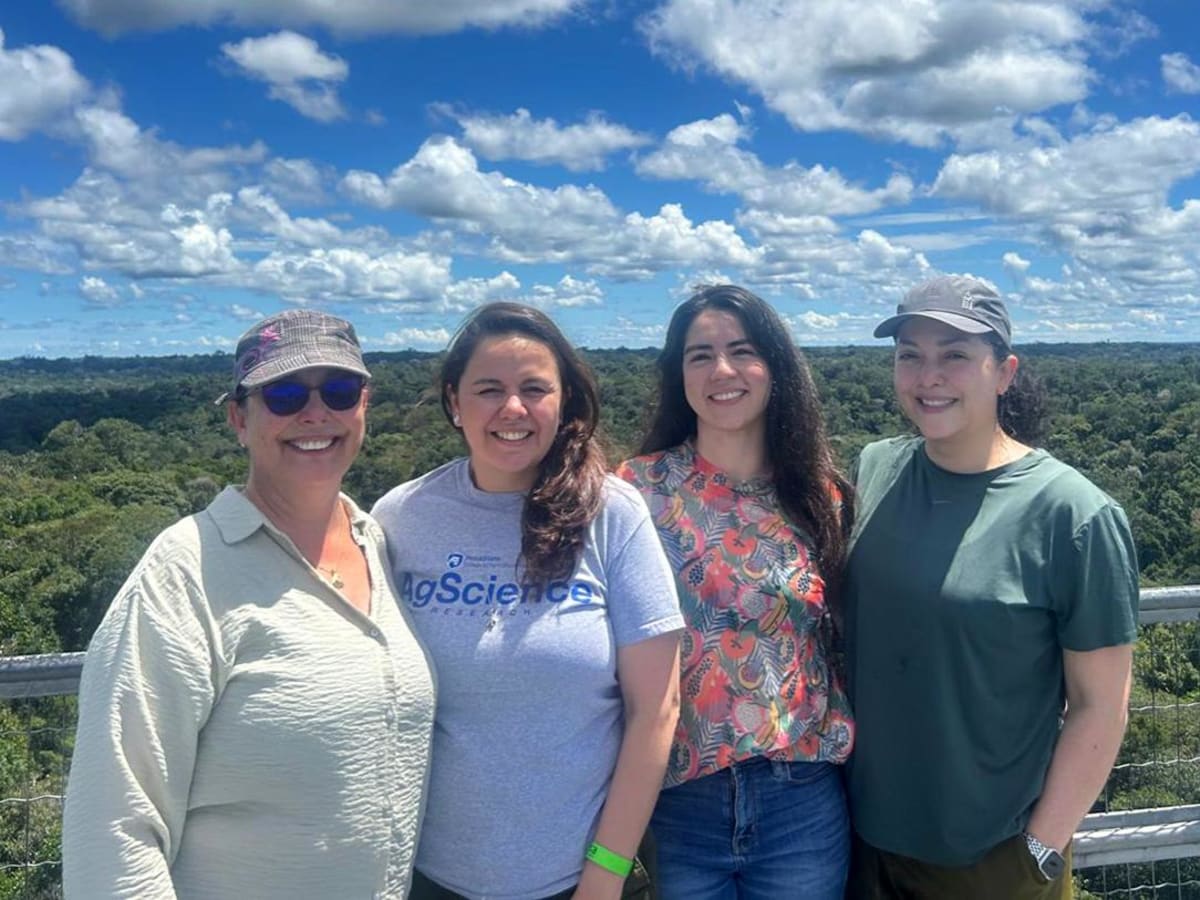
A Penn State research team is working with Indigenous and traditional communities in Brazil's Terra do Meio region to strengthen forest-based businesses. Funded by the Bezos Earth Fund, the project helps families earn more from products like Brazil nuts, rubber, and fruit oils without cutting down trees.
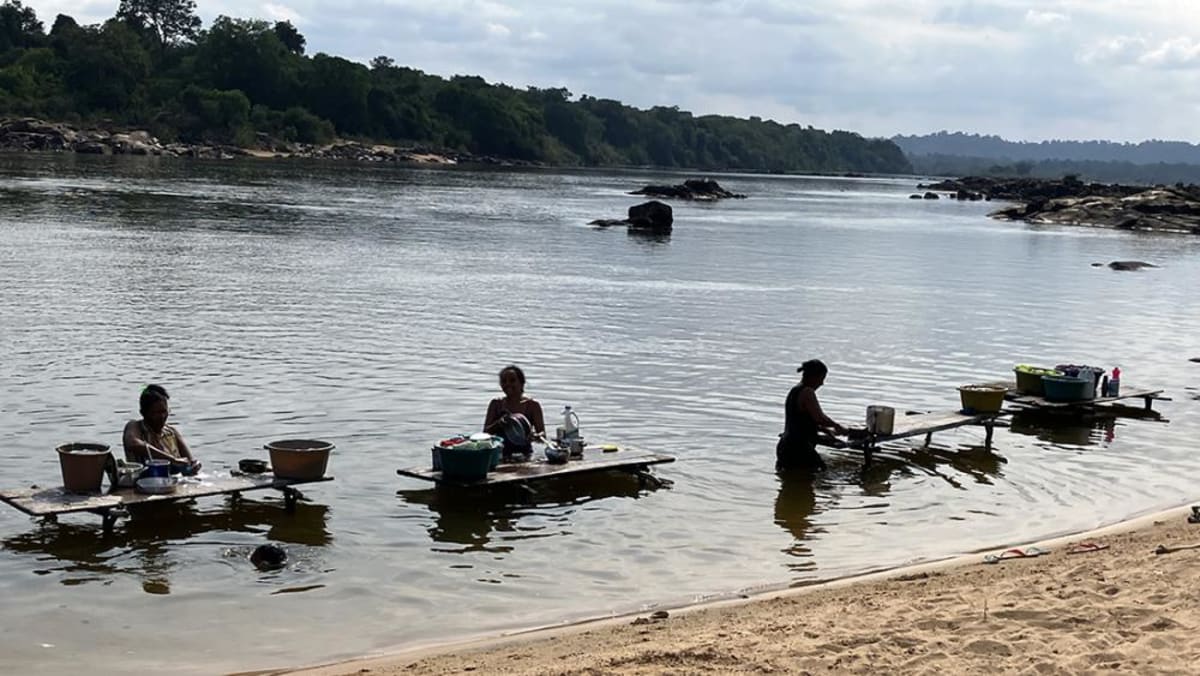
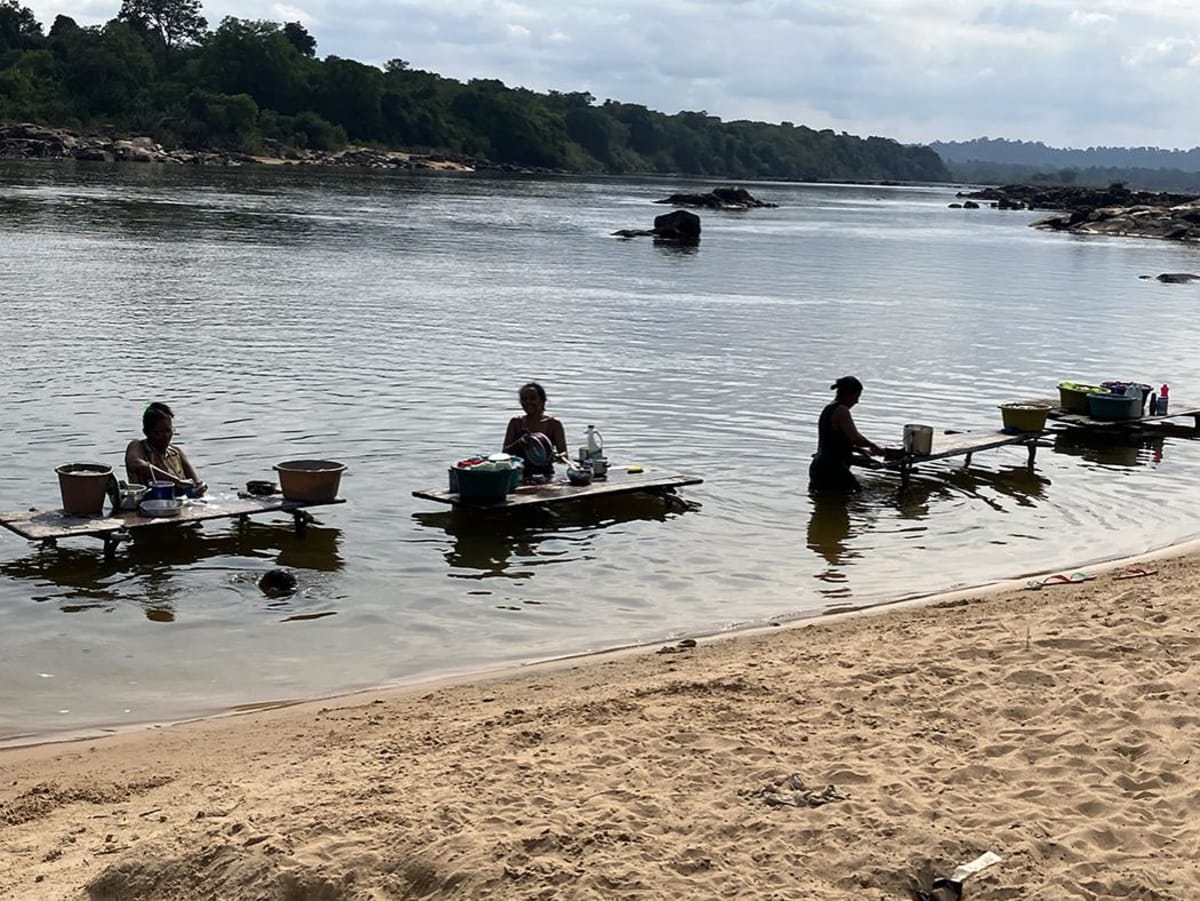
The team spent months in the Amazon observing how communities already process forest products at small local sites. They found the best solutions aren't flashy new inventions brought in from outside. Instead, they're improvements that build on traditional knowledge and fit into how families already work.
"These are community-based systems, where local organizations and families drive production, decision-making and conservation outcomes," said Juliana Vasco-Correa, the project's lead researcher at Penn State. "For innovation to be sustainable, it has to build from traditional knowledge."
The research revealed real challenges these communities face. Getting products to market is difficult because of poor roads and unstable prices. Limited access to electricity and clean water makes processing harder. And families balance forest work with many other daily responsibilities.
Now the project is launching something bigger. The Bioinnovation Challenge Amazonia will pair 25 Amazon innovators with 25 researchers and product developers from around the world. Together they'll create new cosmetics, foods, and materials using forest resources like açaí, copaíba oil, and natural rubber.
Applications are open through June 30 for researchers and technical specialists who want to collaborate. The program includes workshops, mentoring, grants, and a residency phase in the Amazon where teams can test their solutions with communities.
The Ripple Effect
This approach flips the usual conservation model. Instead of asking forest communities to protect trees while staying poor, it helps them earn income because of the forest. When rubber tappers and nut collectors can support their families through forest products, they become the rainforest's most effective guardians.
The six focus areas came directly from what communities said they needed: better ways to process Brazil nuts, new products from natural rubber, enhanced oils for cosmetics, and ways to use fruit waste that currently goes unused. Each innovation keeps forests standing while creating jobs.
Brazilian partners including Rede Terra do Meio and Instituto Socioambiental are ensuring communities lead the process. The Penn State team brings scientific expertise, but local knowledge and community priorities guide every decision.
The Amazon doesn't need saving by outsiders with solutions designed in distant labs. It needs support for the people who already know how to live with the forest thriving.
More Images

Based on reporting by Google News - Brazil Innovation
This story was written by BrightWire based on verified news reports.
Spread the positivity!
Share this good news with someone who needs it