Scientists Find Lost Koala Species in Australian Caves
A donated skull from a Western Australian cave revealed an entirely new koala species that vanished 28,000 years ago. For over a century, museum fossils were mistaken for modern koalas.
A strange skull sitting in a museum collection has rewritten what scientists thought they knew about Australia's most beloved marsupial.
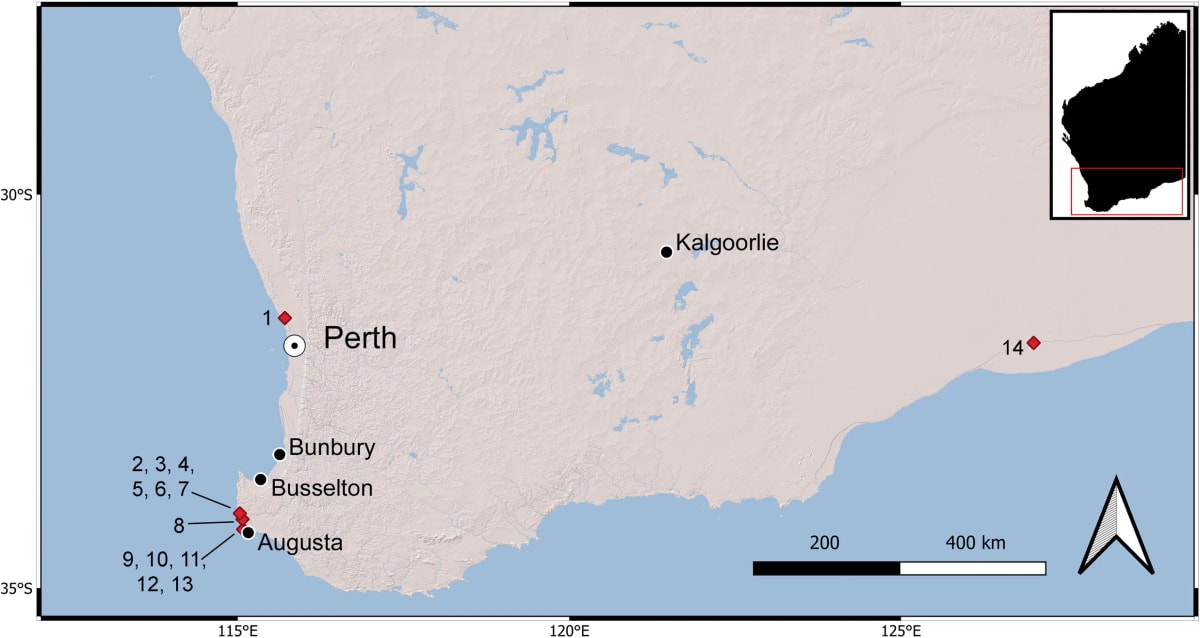
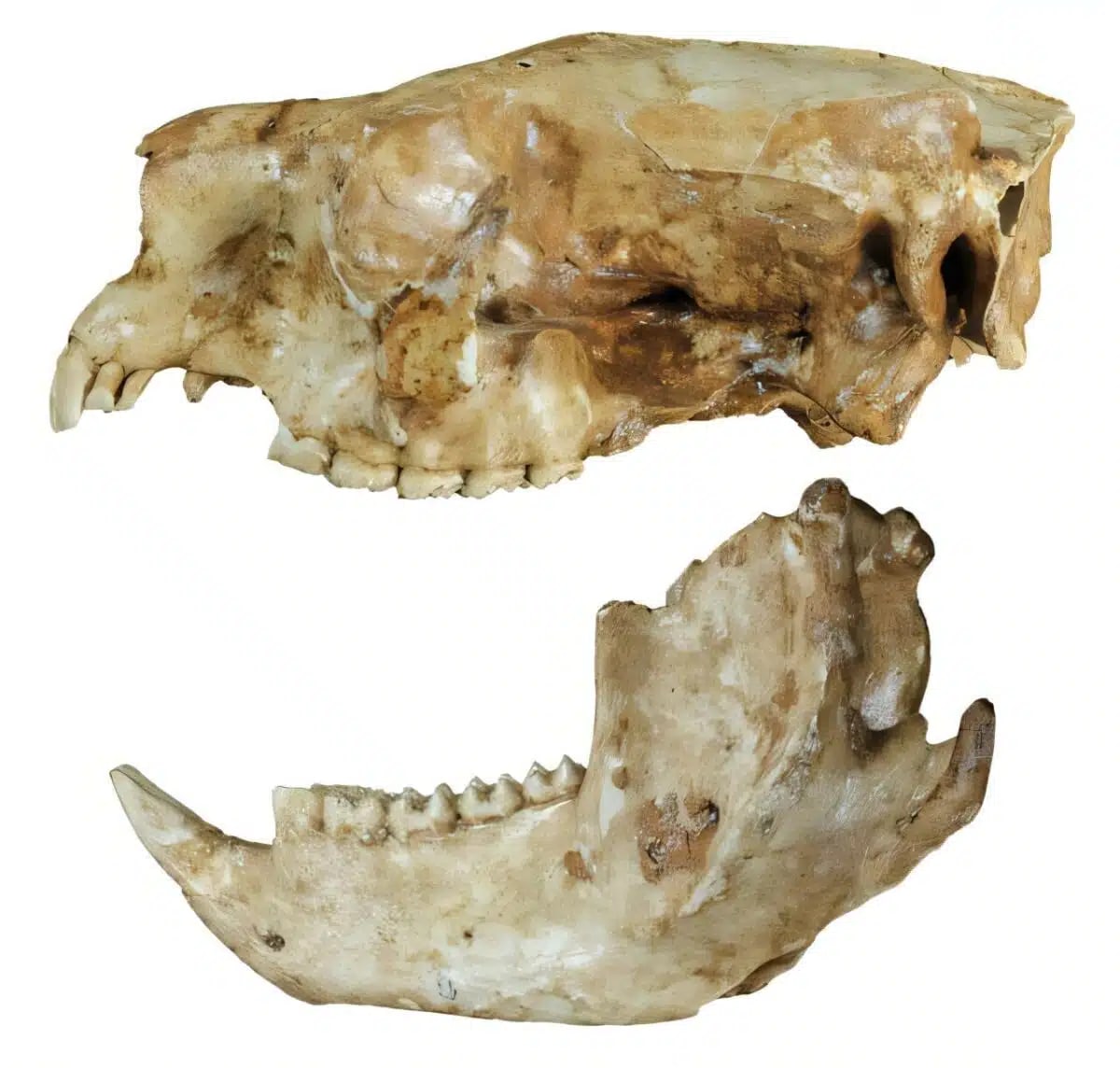
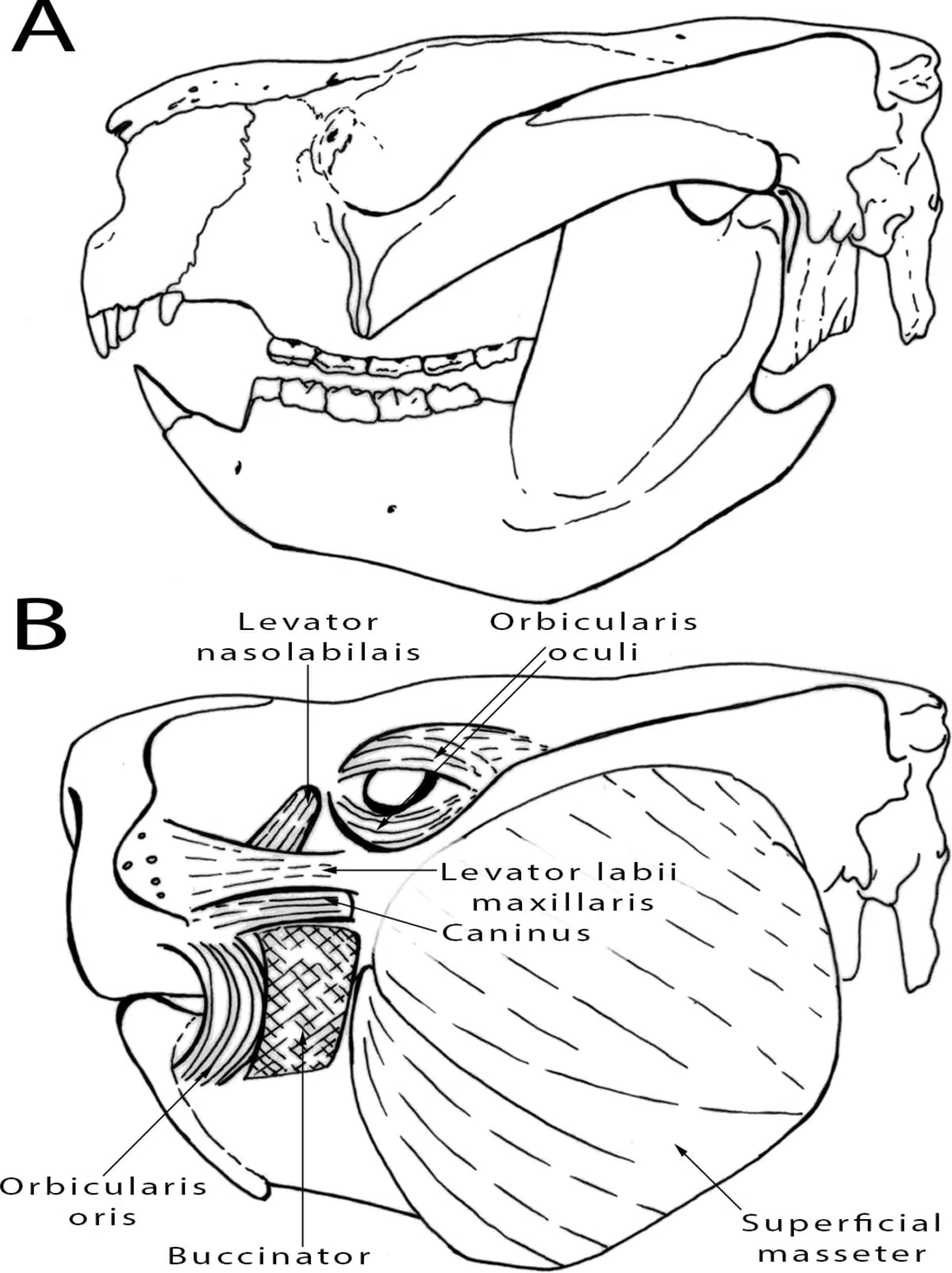
Researchers at the Western Australian Museum identified a completely new koala species after examining a fossil skull donated in 2024. The skull, originally collected from Moondyne Cave near Margaret River, had unusual deep grooves beneath its eye sockets that no living koala possesses today.
The discovery prompted scientists to reexamine fossils collected over the past century from caves across western Australia. What they found changed everything. These weren't modern koalas at all.
The newly named species, Phascolarctos sulcomaxilliaris, lived in western Australia until roughly 28,000 years ago. Its name means "grooved maxilla," referring to the distinctive grooves in its upper jawbone that set it apart from its modern cousins.
The extinct species had a shorter, heavier skull and broader teeth than today's koalas. Its limb bones were longer and thinner, suggesting a slightly more slender build. Scientists believe those facial grooves may have housed larger muscles for the lips or nose, possibly helping the animal feed on tougher vegetation or navigate by smell.
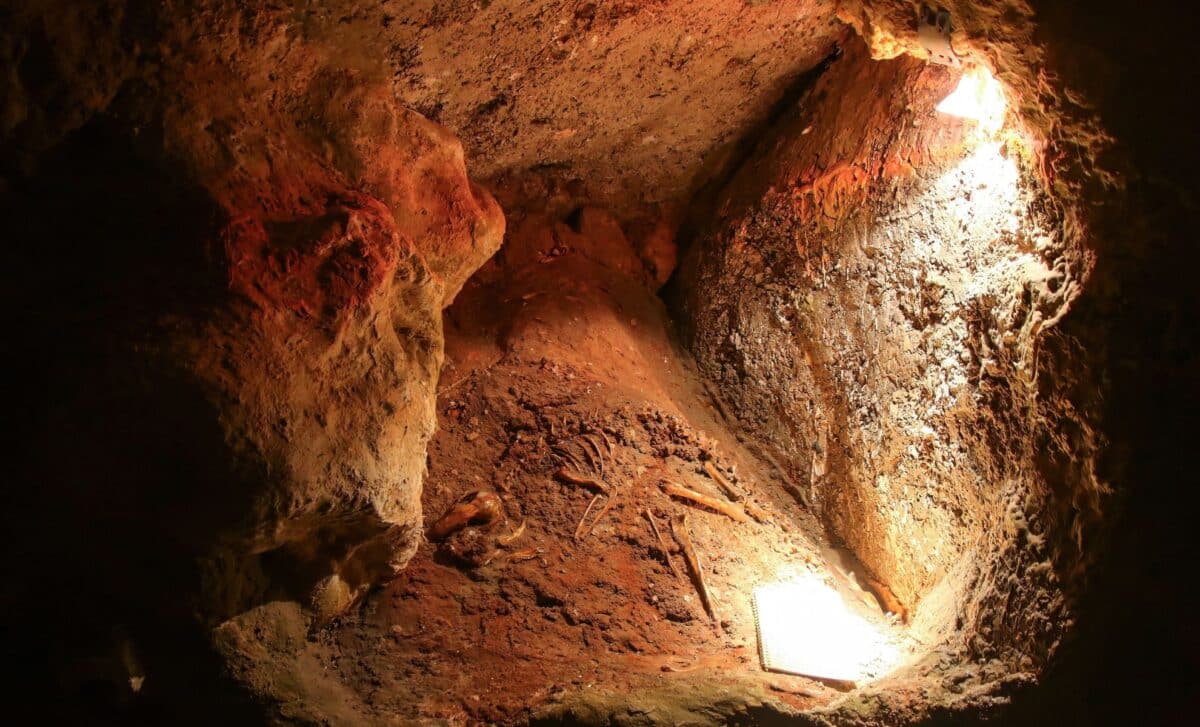
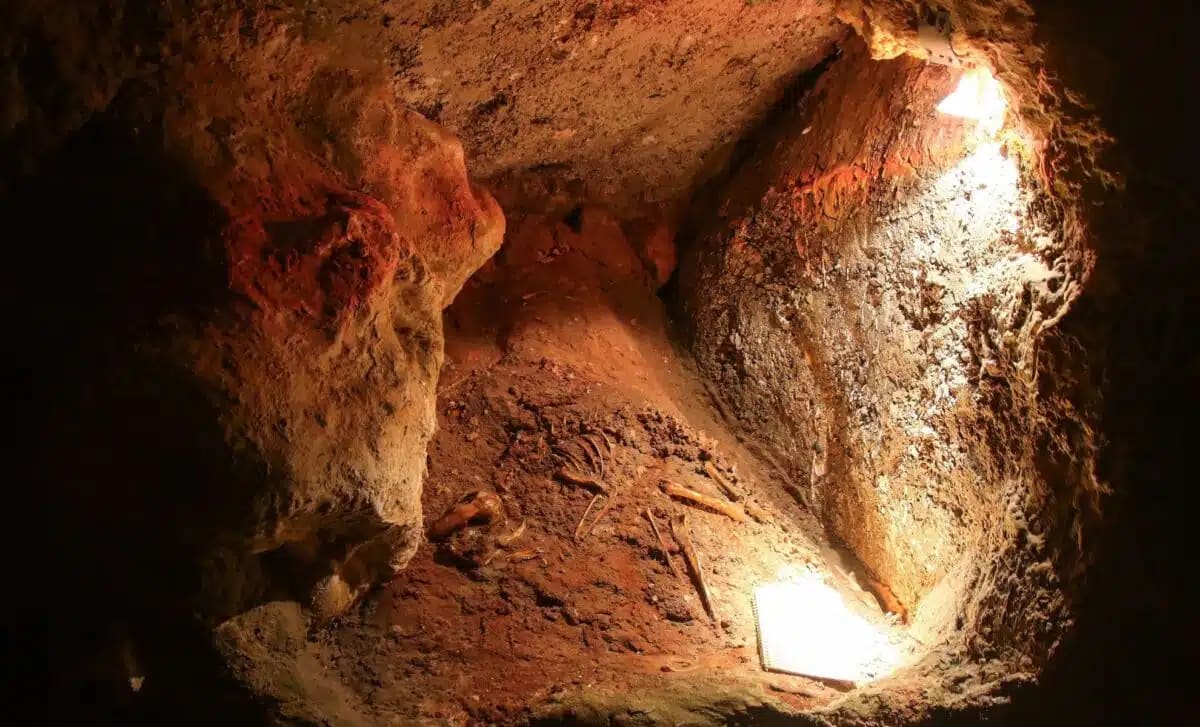
Researchers returned to caves at Yanchep and Margaret River with the Western Australian Speleological Group to date the fossils precisely. Using uranium-thorium and radiocarbon dating, they confirmed the species disappeared around 28,000 years ago, just as southwestern Australia's climate shifted dramatically.
Pollen records from that period show eucalyptus forests shrank to just 5% of their previous coverage. The climate became colder and drier for thousands of years. Without the eucalyptus forests they depended on for food and shelter, the western koalas couldn't survive.
Why This Inspires
This discovery proves how much we still don't know about the natural world, even for animals we think we understand completely. Museum collections and cave systems continue holding secrets that reshape our understanding of evolution and adaptation.
The research also shows how collaboration between museums, scientists, and local cave exploration groups can unlock mysteries hiding in plain sight. Fossils collected as far back as 1910 from Mammoth Cave were part of this hidden story all along, waiting for the right technology and fresh perspective.
Australia once had at least four koala species over the past few million years, including a giant species nearly twice the size of living koalas. Each adapted to different environments and challenges across the continent.
The western species tells a sobering but important story about climate change and habitat loss, while reminding us that dedicated scientists are still piecing together Earth's remarkable history one fossil at a time.
More Images
Based on reporting by Google: fossil discovery
This story was written by BrightWire based on verified news reports.
Spread the positivity!
Share this good news with someone who needs it