Giant 15-Meter Snake Fossil Found in India Coal Mine
Scientists discovered a 49-foot snake fossil in western India that rivals Titanoboa as the largest snake ever found. The massive constrictor lived 56 million years ago in coastal marshes.
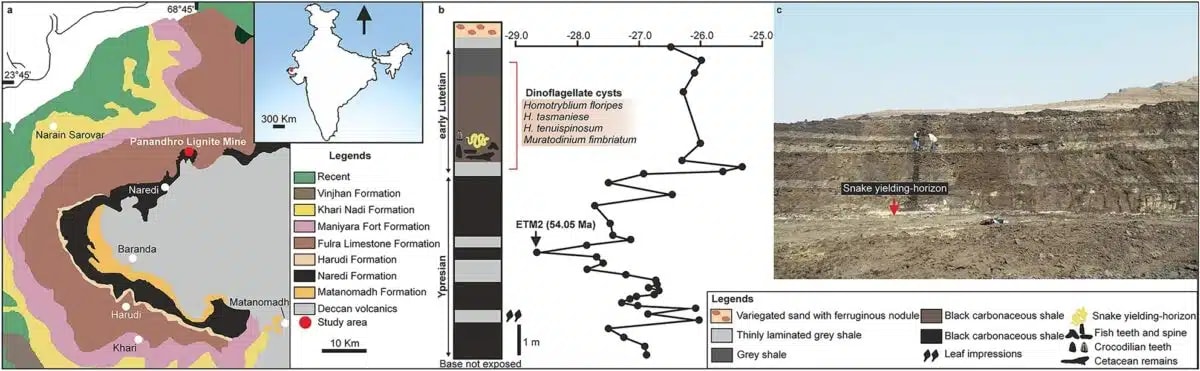
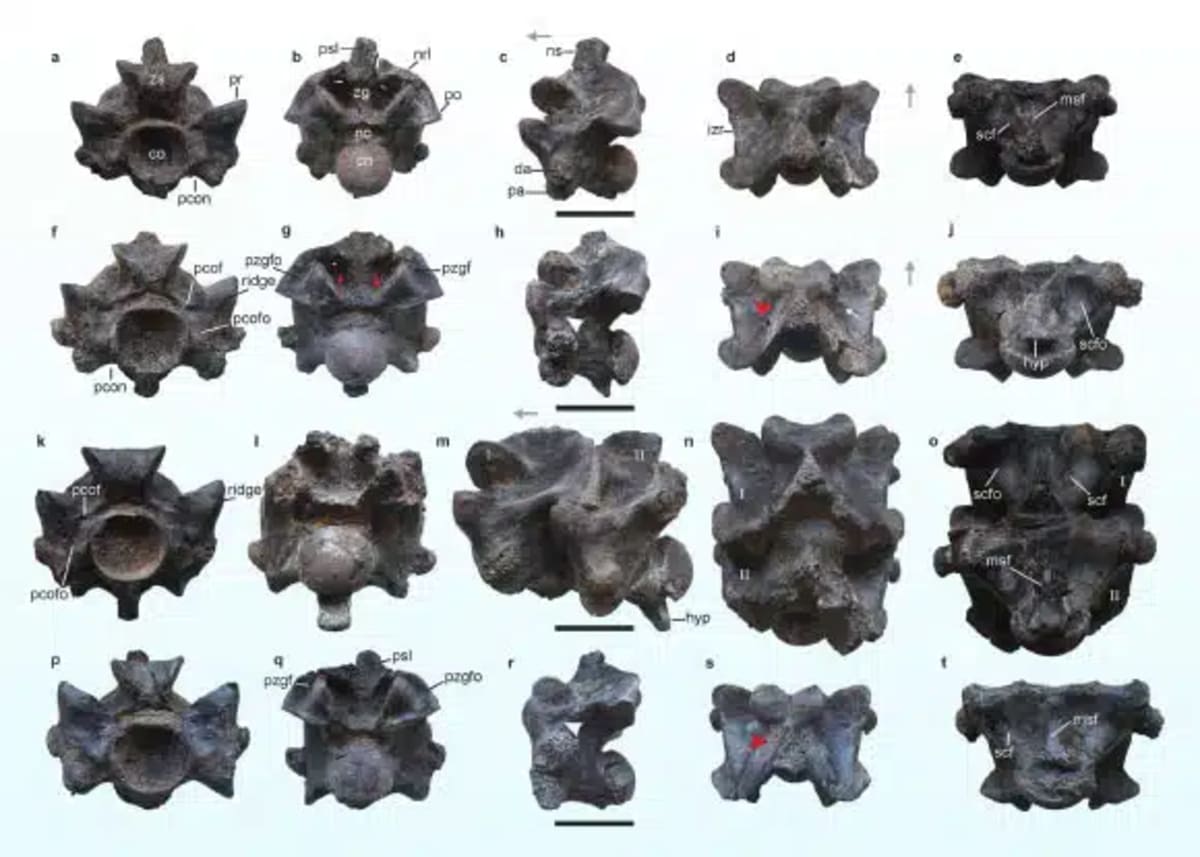
Deep in a coal mine in Gujarat, India, paleontologists unearthed 27 vertebrae from a snake so massive it challenges everything we knew about prehistoric giants.
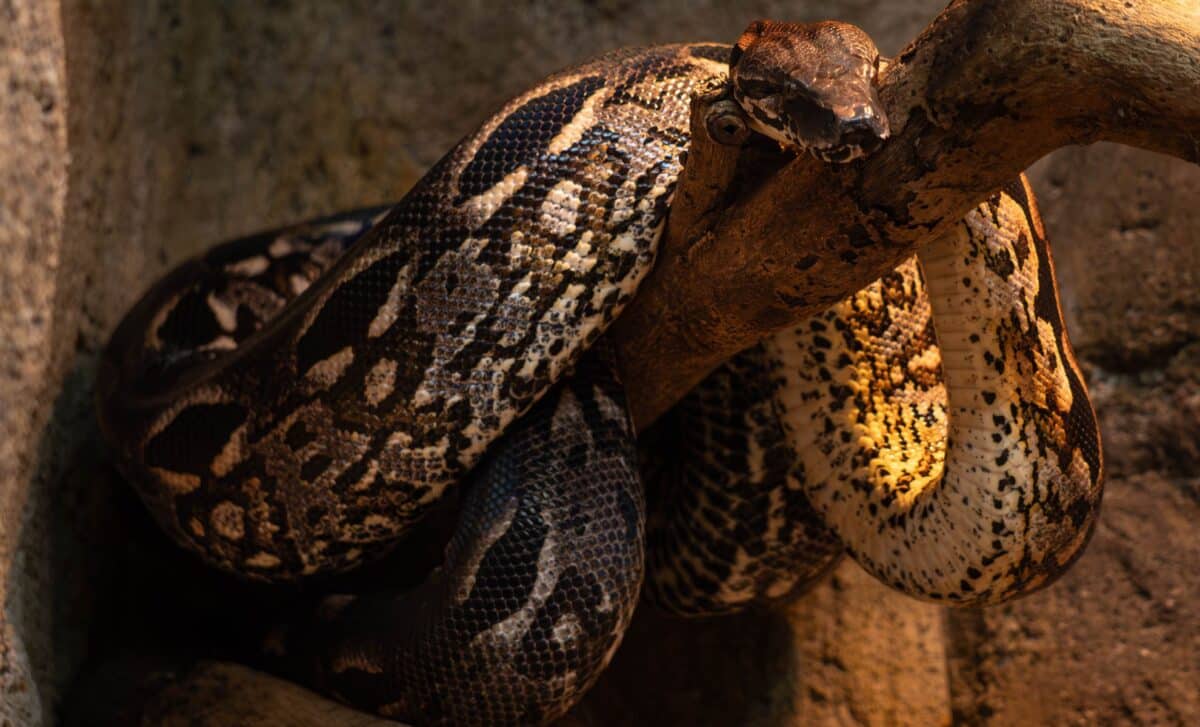
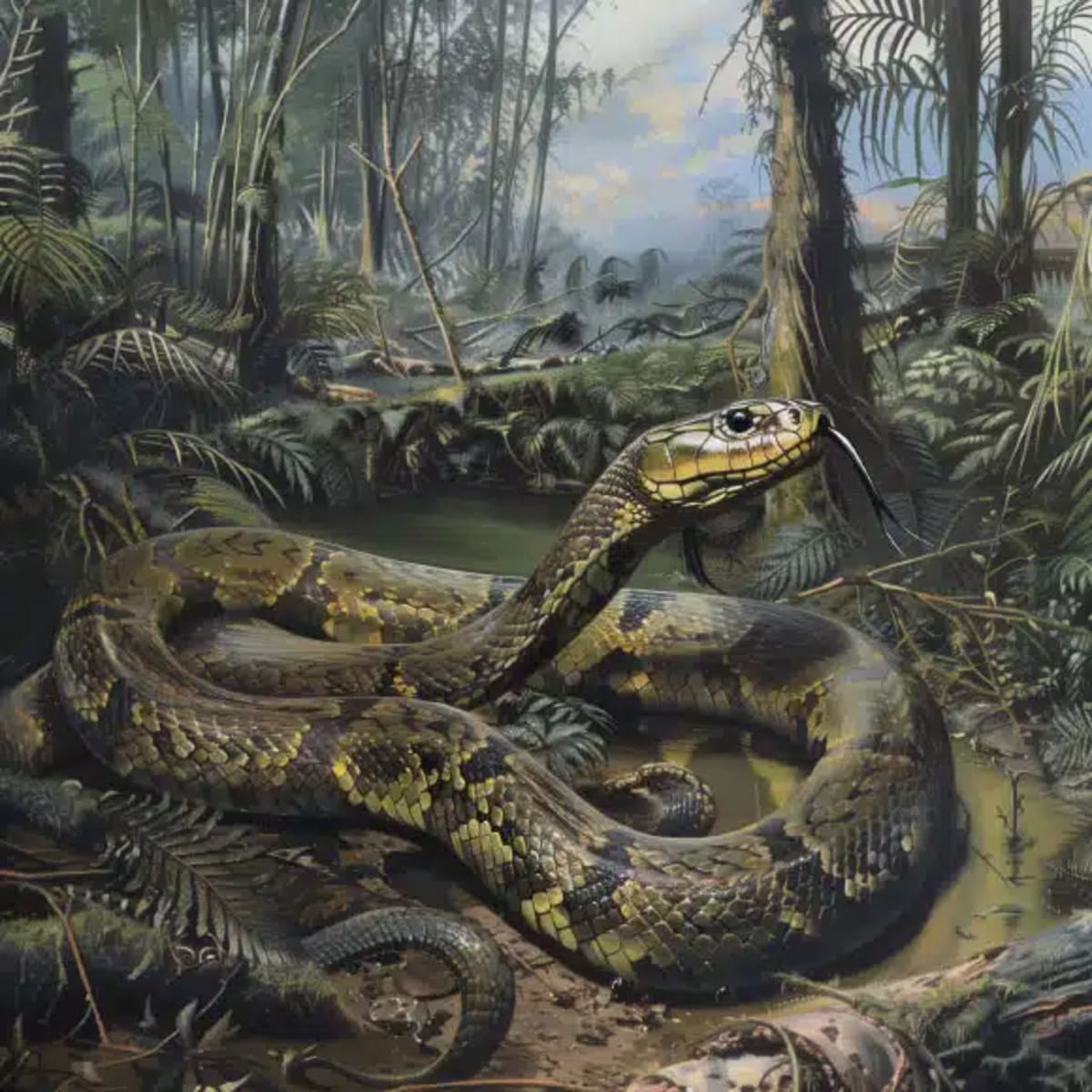
The newly named Vasuki indicus stretched up to 15 meters long and weighed about one tonne. For comparison, that's longer than a city bus and heavier than a small car.
For over a decade, Titanoboa held the crown as the largest snake to ever slither on Earth. The 13-meter giant was discovered in Colombia in 2009 and seemed unbeatable in size.
Now Vasuki gives Titanoboa some serious competition. The Indian snake may have been even longer, though scientists are still comparing their builds to determine which was truly more massive.
Researchers from the Indian Institute of Technology Roorkee found the fossil in the Panandhro region's lignite mine. The vertebrae, some still in their original positions, paint a picture of a slow-moving ambush predator.
"Vasuki was a slow-moving ambush predator that would subdue its prey through constriction like anacondas and pythons," explains lead researcher Debajit Datta. The snake's body measured about 44 centimeters across, thick enough to knock down small trees.
The creature lived during the Paleocene epoch, right after dinosaurs went extinct, when Earth's temperatures ran hotter than today. It hunted in marshy coastal swamps, waiting patiently for prey to wander within striking distance.
The Ripple Effect
This discovery does more than add another prehistoric giant to the record books. Finding such a massive snake in India proves these creatures weren't limited to South America as scientists previously thought.
The fossil opens new questions about how giant constrictors spread across different continents millions of years ago. It suggests a richer, more diverse world of prehistoric megafauna than we imagined.
Without a skull in the fossil record, researchers can't make final conclusions about all of Vasuki's behaviors. But the broad, cylindrical vertebrae tell the story of a patient hunter that relied on strength over speed or venom.
The name Vasuki comes from a giant serpent in Hindu mythology, a fitting tribute to both the snake's impressive size and its Indian home. Co-author Sunil Bajpai notes that while Titanoboa's vertebrae are slightly larger, Vasuki's total length may have been greater.
Each new fossil discovery rewrites our understanding of ancient life on Earth, reminding us there are still giants waiting to be found.
More Images
Based on reporting by Google: fossil discovery
This story was written by BrightWire based on verified news reports.
Spread the positivity!
Share this good news with someone who needs it