Hiker Finds 16-Million-Year-Old Teeth in South Dakota
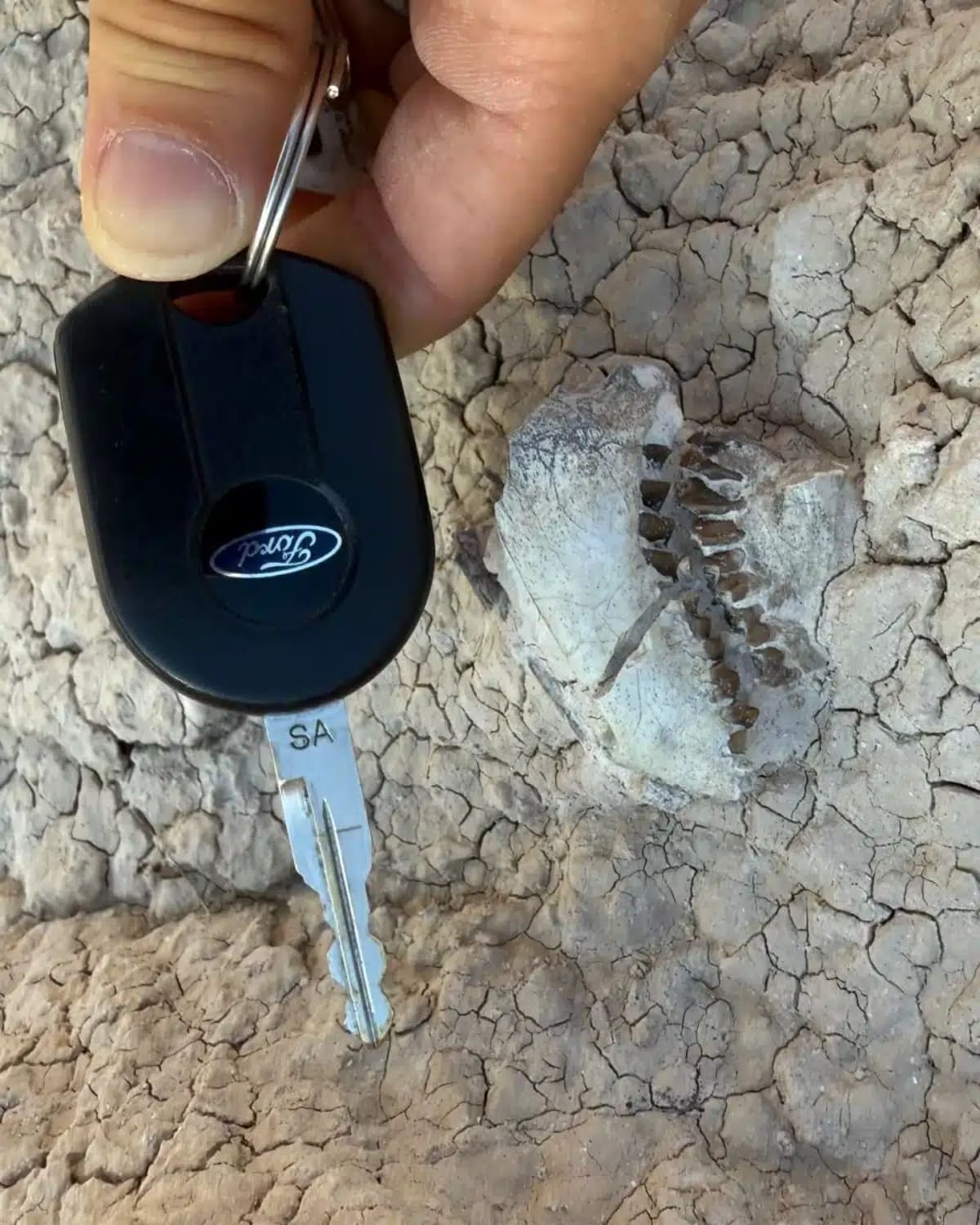
A South Dakota hiker stumbled upon fossilized teeth smaller than a house key, revealing a creature that vanished 16.3 million years ago. The tiny discovery at Badlands National Park offers a window into an ancient world where monkey-faced sheep-like animals roamed prehistoric America.
A casual walk through South Dakota's Badlands just rewrote a small piece of prehistoric history, proving that sometimes the biggest discoveries come in the smallest packages.
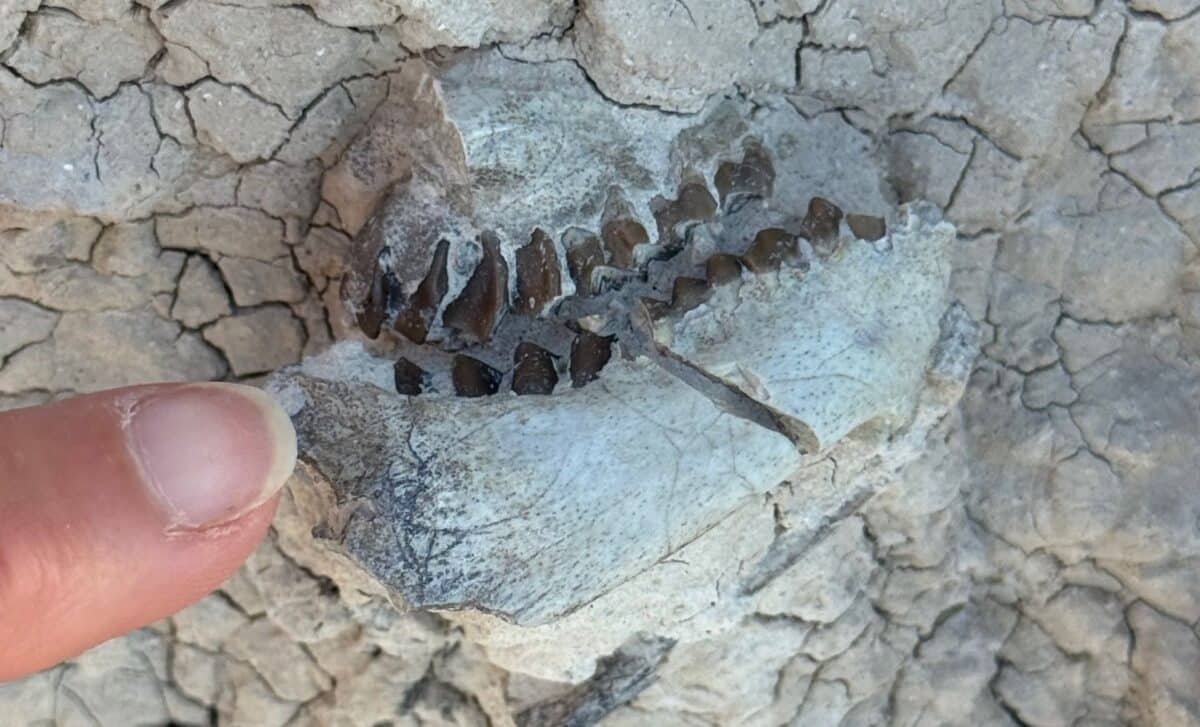
An unnamed hiker spotted something unusual poking through the parched soil: a grayish row of teeth no bigger than a car key. Park officials confirmed on August 1, 2025, that the tiny fossil belonged to a Leptauchenia, a peculiar creature that hasn't walked the earth in 16.3 million years.
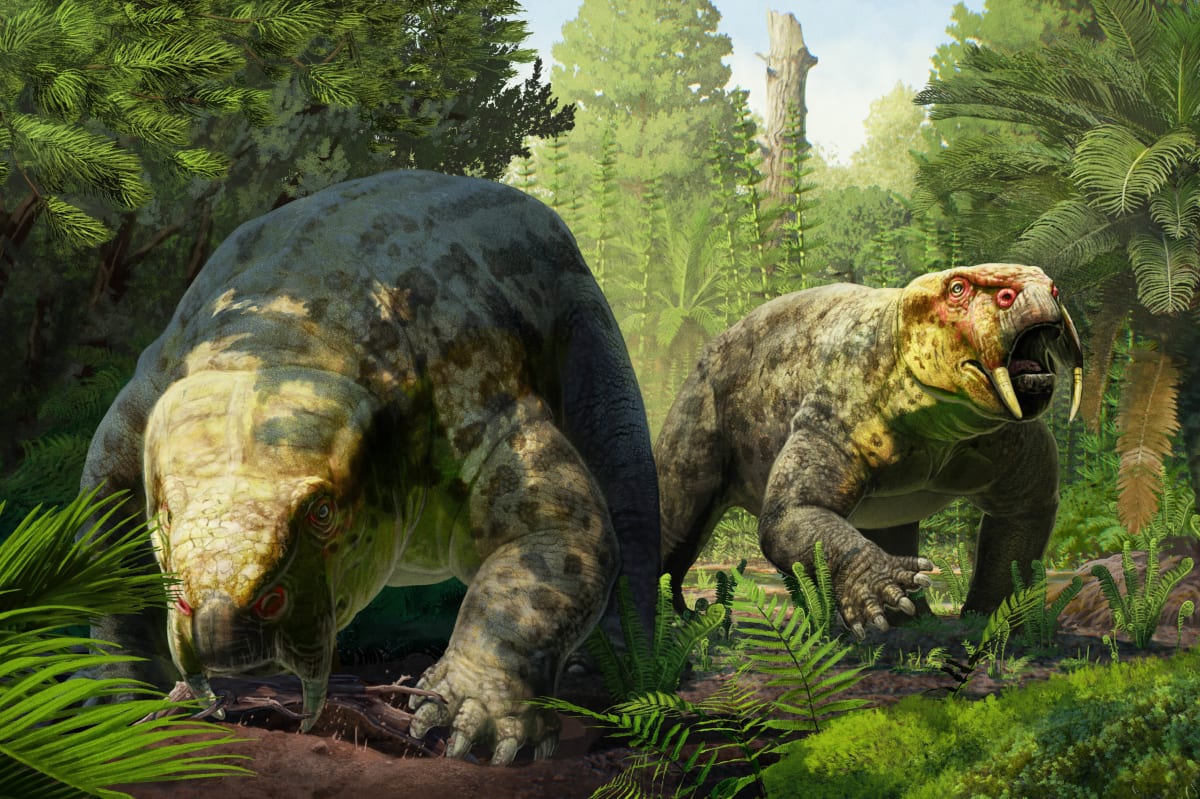
The animal's name translates to "tiny llama," but that hardly captures what made this species so unique. Paleontologists describe Leptauchenia as "monkey-faced little sheep and llama-like creatures" that belonged to a larger group called oreodonts, with modern camels as their closest living relatives.
These herbivores weren't the waterside dwellers scientists once thought. Their flat, low teeth were designed for grinding plants, and most fossils have been found in ancient sand dunes, suggesting they thrived in desert conditions rather than near water.
The Badlands serve as a natural time capsule, where millions of years of erosion have carved away layers of sedimentary rock to expose creatures from eons past. Oreodonts are actually the most common fossils found throughout the region, making this particular park a paleontological treasure trove.
These animals roamed North America from about 40 million to 5 million years ago, long before humans arrived on the continent. The landscape they inhabited looked nothing like today's cracked tan soil and sprawling dunes, shaped instead by vastly different climatic conditions.
Why This Inspires
This discovery reminds us that everyday people can contribute to scientific knowledge simply by staying curious and alert. The hiker didn't need specialized training to recognize something important. They just needed to pay attention and report what they found to park officials.
When members of the public encounter fossils and report them properly, they ensure these ancient remnants are studied and preserved correctly. Each discovery, no matter how small, helps scientists piece together the puzzle of Earth's history and understand how life evolved across millions of years.
The Badlands continue revealing new specimens as wind and rain wear away rock layers, meaning the next major discovery could be just one hike away.
More Images



Based on reporting by Google: fossil discovery
This story was written by BrightWire based on verified news reports.
Spread the positivity!
Share this good news with someone who needs it