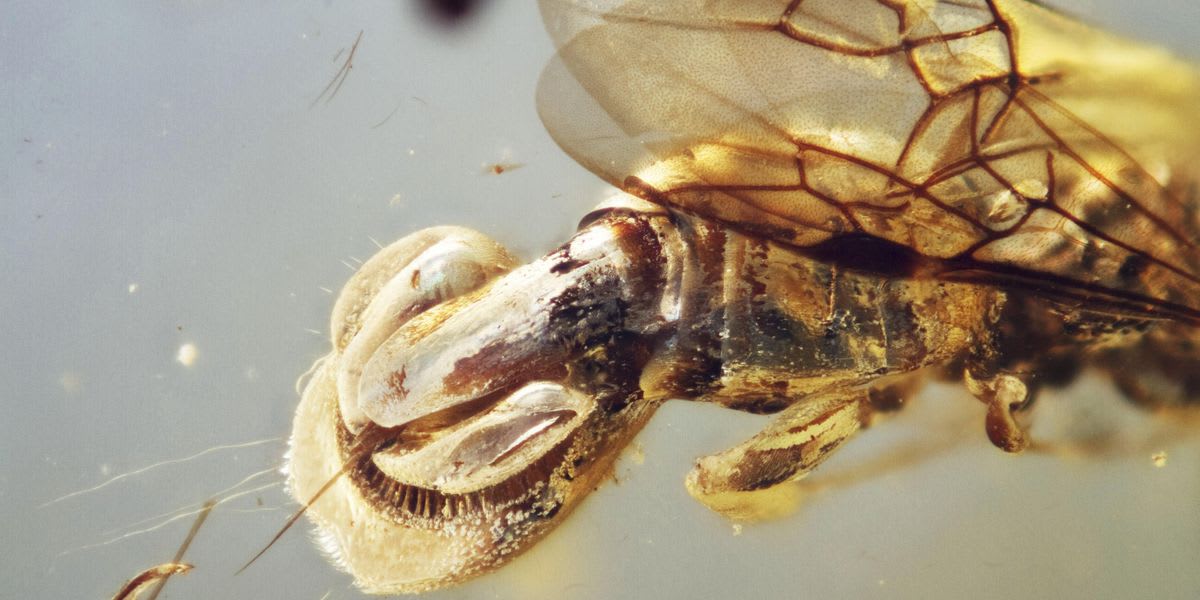
New Wasp Named for David Attenborough's 100th Birthday
Scientists celebrated Sir David Attenborough's 100th birthday by naming a tiny Chilean wasp after him. The discovery highlights how millions of species are still waiting to be found, even in museum collections.
What do you give a beloved nature broadcaster turning 100? Scientists at London's Natural History Museum decided on a small, parasitic wasp from Chile.
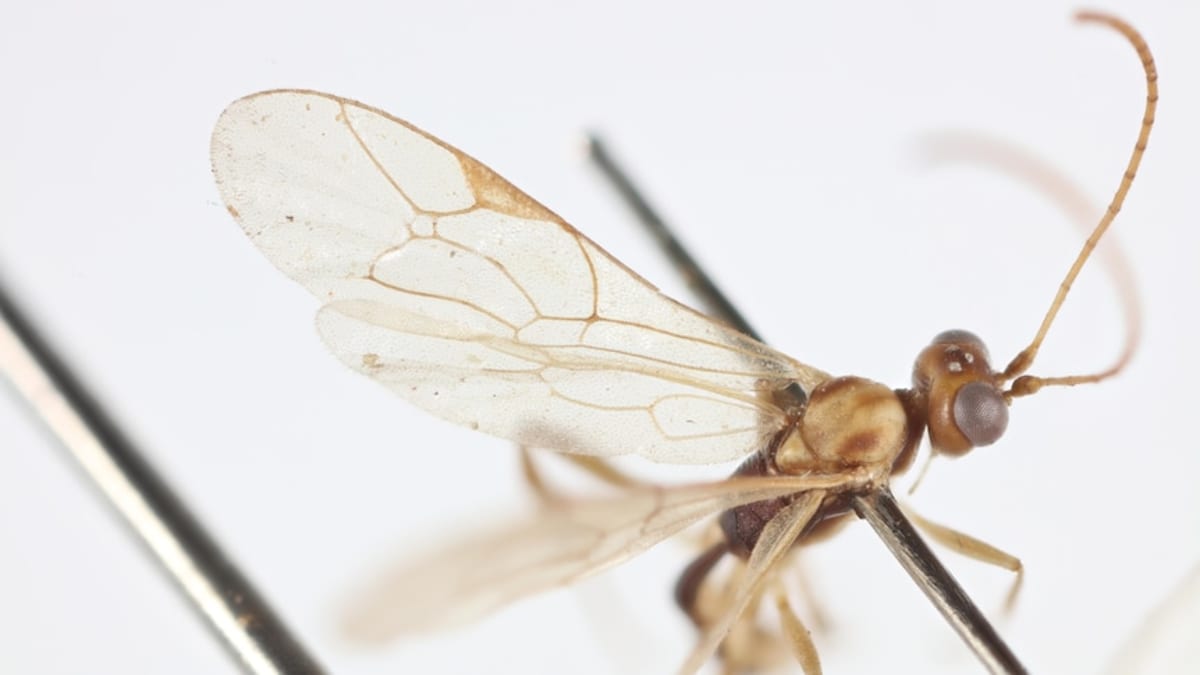
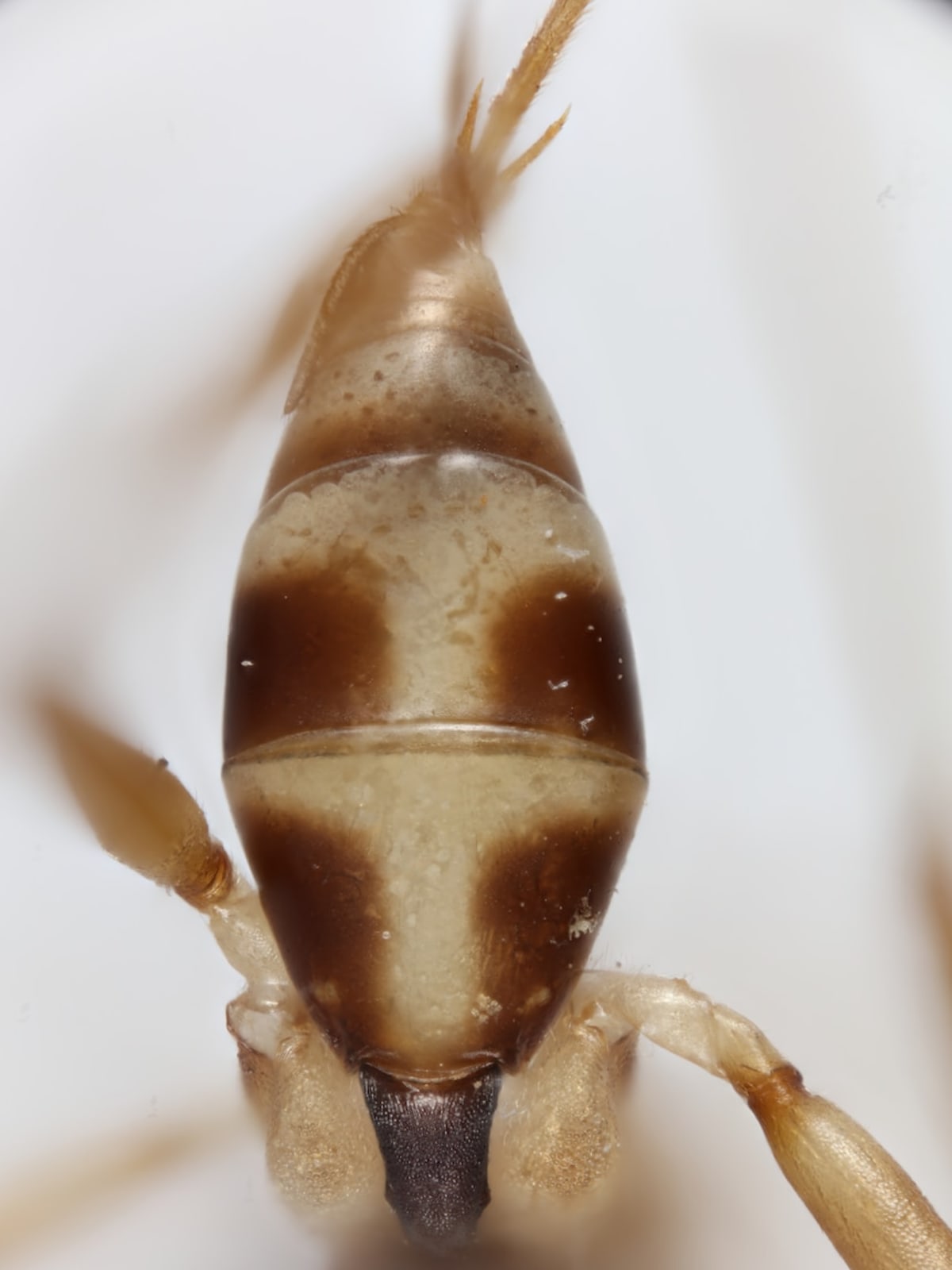
The newly identified species, Attenboroughnculus tau, measures just 3.5 millimeters long and sports distinctive t-shaped markings on its brownish abdomen. Taxonomists discovered it while sorting through the museum's vast collection and thought the timing was perfect for Sir David's milestone birthday on May 8.
Sir David has now inspired the names of more than 50 species worldwide, including five other wasps. His gracious response to this latest honor touched the research team deeply.
"It was very touching to receive a note, in handwriting much neater than mine at half his age," said senior study author Gavin Broad, the museum's principal curator for wasps, bees and ants. He credits Attenborough documentaries for inspiring his career path as a young city kid.
The wasp belongs to a family that scientists call Darwin's wasps, known for their unusual life cycle. These insects lay eggs inside or on host creatures, which the larvae then consume as they grow. Researchers suspect this particular species might target spider egg sacks, though they'll need to travel to Chile's Valdivia province to confirm.
The Ripple Effect
What makes this discovery especially exciting is what it reveals about the natural world still waiting to be explored. A volunteer researcher named Augustijn De Ketelaere spotted the unusual wasp while helping sort specimens, proving that everyday people can make major scientific contributions.
Dr. Broad estimates that about half of the museum's 27 million insect specimens remain unidentified, with thousands of new species waiting to be discovered. In places like Chile and Argentina, roughly 80 percent of parasitic wasps still lack scientific names.
Adelaide University entomologist Jess Marsh, who wasn't involved in the study, points out that finding new species doesn't require exotic expeditions. She described her first two spider species from a tree in her own front yard in South Australia.
"Your nearest park, backyard, or green space is home to many species new to science," Marsh said. She encourages people to explore nearby nature, take photos, and upload observations to platforms like iNaturalist.
The wasp discovery serves as a reminder that Sir David's legacy extends beyond entertainment into inspiring generations of scientists and nature lovers who continue uncovering Earth's hidden wonders.
More Images


Based on reporting by ABC Australia
This story was written by BrightWire based on verified news reports.
Spread the positivity!
Share this good news with someone who needs it