Amazon Designer Reveals How Astro Robot Got Its Personality
A home robot needs more than cute eyes to win hearts. Amazon's lead sound designer shares how his team gave Astro a soul people could trust.
When Mike Forst joined Amazon's Astro project in 2018, the home robot had cameras and wheels but no personality. The team faced a critical question: should this moving machine just be Alexa with mobility, or something entirely new?
Forst and his UX team argued for the latter. They knew people would assign character to anything that rolled through their homes and looked at them with intent, whether designers planned for it or not.
Early user testing proved them right. People saw Astro as its own being, not just a talking assistant on wheels. When Alexa's voice came from the robot, testers found it strange and creepy.
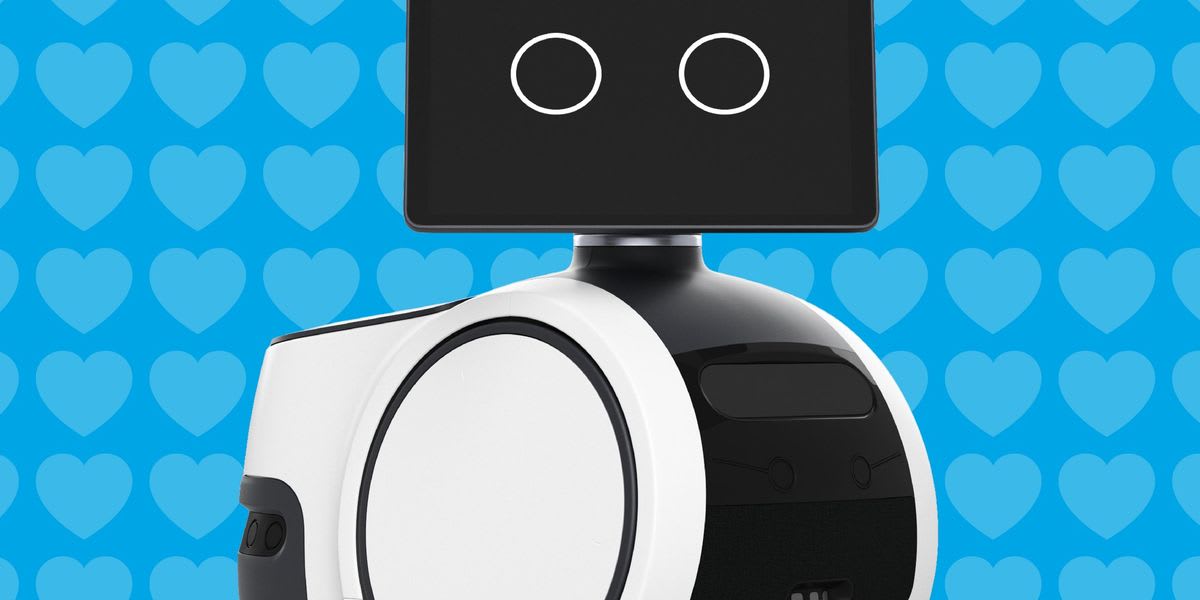
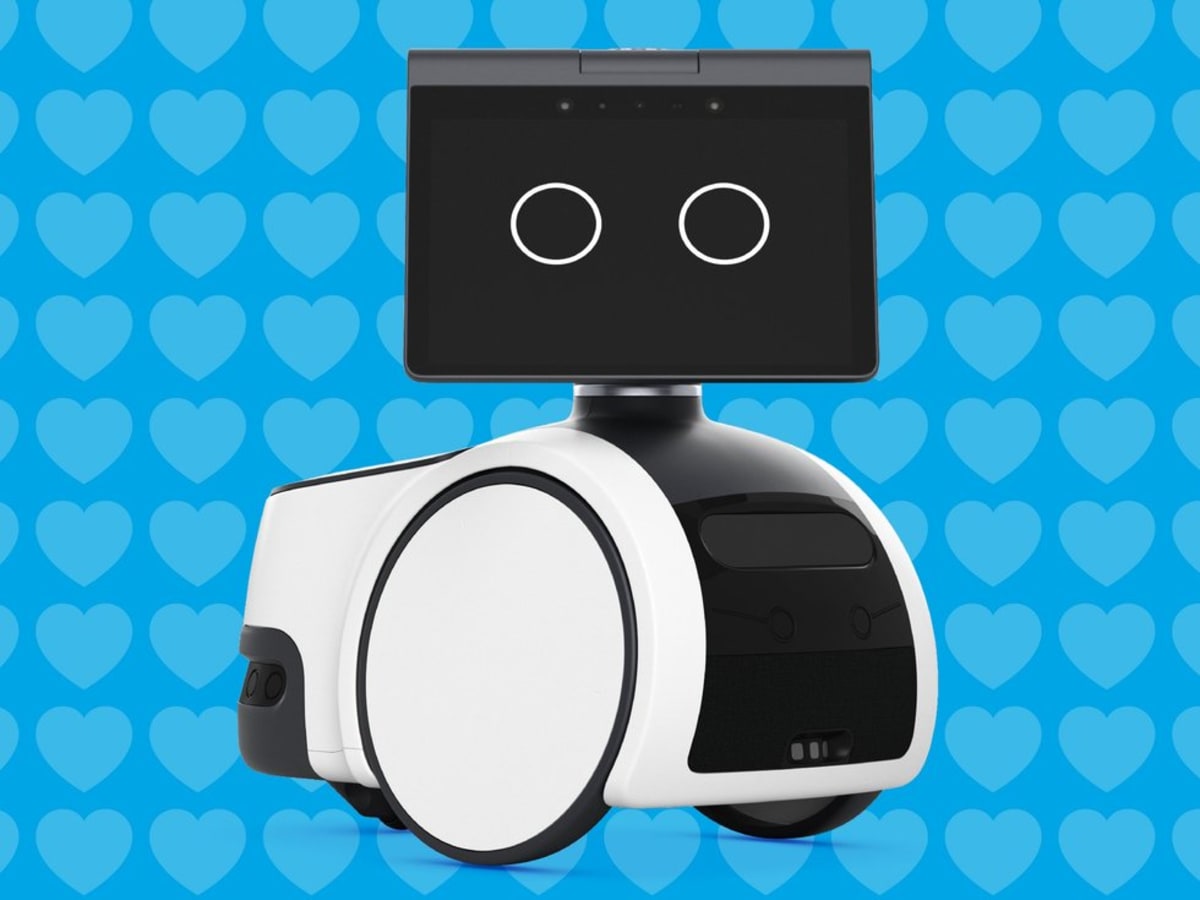
The solution became a carefully crafted partnership. Alexa handled the actual talking while Astro became the main character, expressing itself through beeps, movements, and animated facial expressions.
But here's where it got interesting. Every tiny decision about how Astro paused, moved, or reacted was actually a character choice. Forst found himself defining questions never asked about an Amazon product before: What's this robot's emotional range? How does it show uncertainty without losing trust?
The team designed Astro with a deliberately narrow emotional range at first. The robot could play sad but would snap out of it quickly, always ending reactions on an upbeat note.
Why This Inspires
Forst's approach treated character as a complete design system, not an afterthought. Take Astro's wake-up sequence. The team first wrote it as a story: Astro waking in its new home for the first time, eager to meet its family but responsibly checking its systems first.
That narrative drove everything else. Sound designers created excited tones and bright melodies. Animators choreographed screen stretches, wheel checks, and a little joy dance, all timed perfectly to the audio.
The result was a performance that felt like it came from within the robot, not just played on a screen. When character stitching worked right, Astro seemed genuinely alive.
Forst's insight applies far beyond one home robot. As AI enters more physical products, from companion bots to service machines, his lesson stands: character isn't decoration, it's the bridge between a device people tolerate and one they actually trust.
The difference between a machine and a companion often comes down to whether someone cared enough to give it a soul.
More Images
Based on reporting by IEEE Spectrum
This story was written by BrightWire based on verified news reports.
Spread the positivity!
Share this good news with someone who needs it