Malaysia Becomes Global AI Hardware Hub After Scandal Reset
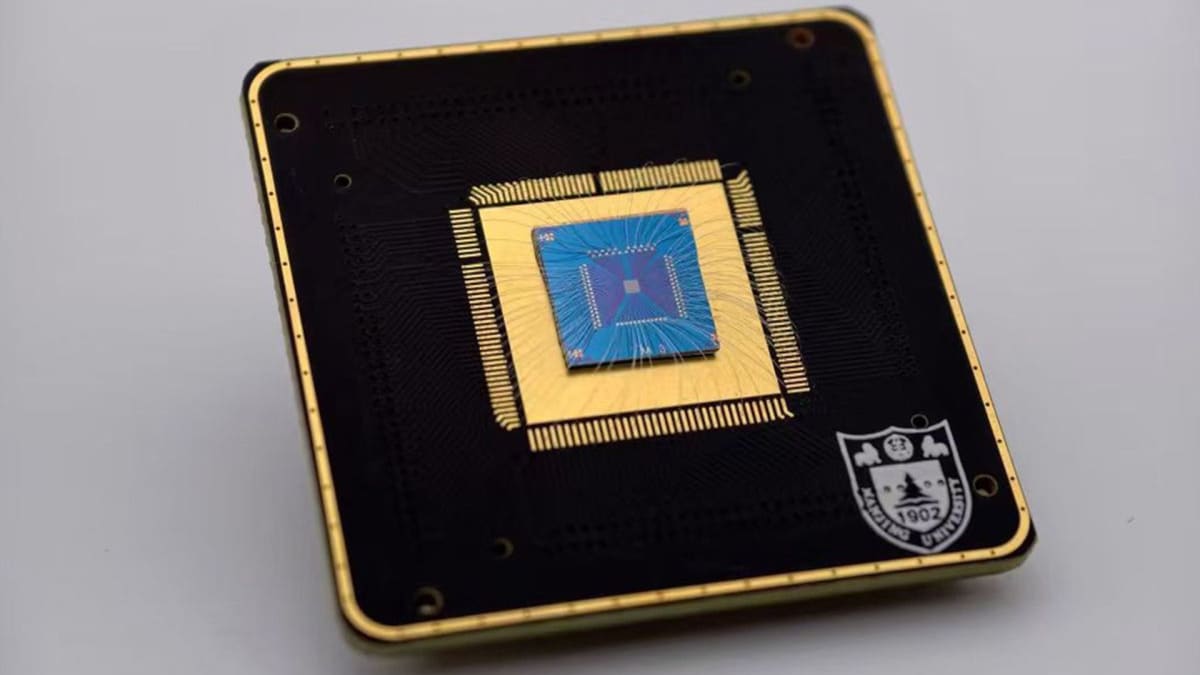
Less than a decade after the 1MDB financial scandal dominated headlines, Malaysia has transformed into one of the world's four largest exporters of AI hardware. The nation's tech boom is creating surprising ripples across the economy, from semiconductor factories to coffee shops.
Malaysia just pulled off one of Asia's most remarkable economic comebacks, and it's rewriting what's possible when a nation commits to reinvention.
The country now ranks alongside Taiwan, South Korea, and Thailand as a top global exporter of AI-related hardware, according to the International Monetary Fund. This is the same nation that less than ten years ago made international news for the 1MDB corruption scandal.
The transformation didn't happen by luck. Malaysia offered something increasingly rare: political neutrality, stable infrastructure, and an English-speaking workforce right as global tech companies needed alternatives to volatile regions.
The numbers tell the story of a nation surging forward. Malaysia's economy grew 5.8 percent in the second quarter of 2026, beating forecasts and outpacing most regional neighbors. Data center investments alone now equal nearly 18 percent of the country's entire GDP, the highest proportion anywhere in the world.
Tech giants including Nvidia, Infineon Technologies, and ByteDance have planted roots across the country. Between 2021 and mid-2025, approved data center investments reached $30 billion. Another $24 billion flooded into Sarawak state over five years, while historic semiconductor hub Penang launched Silicon Island, a massive land reclamation project designed specifically for chipmakers.
The momentum keeps building. Electrical and electronics exports, including semiconductors, are expected to exceed $170 billion in 2026. Construction firm Gamuda reported a record order book of $11 billion in June, driven almost entirely by data center projects.
The Ripple Effect
The tech wave is lifting boats nobody expected. Oriental Kopi Holdings, a traditional coffee and egg tart chain, is expanding aggressively into Johor state because high-earning tech workers want quality food near their data centers. Tourism surpassed 21 million visitors in the first half of 2026, boosting everything from airport cafes to city restaurants.
Even a Chinese chemical manufacturer originally planning a facility in Iran reversed course entirely after Middle East conflicts made the region too risky. They chose Malaysia's Sarawak state instead. "Malaysia is seen as a neutral country," said Joel William, the engineering consultant overseeing the project's feasibility study.
Penang's semiconductor ecosystem is pushing beyond basic manufacturing into higher-value production. JPMorgan Chase raised Malaysia's 2026 GDP forecast to 5.3 percent, recognizing that AI capital spending and electronics exports are absorbing global economic shocks.
Malaysia's status as a net energy exporter provides additional insulation while neighbors struggle with surging costs and policy uncertainty. The nation turned geographic advantage and timing into a complete economic reset.
One coffee shop at a time, one chip factory at a time, Malaysia is proving that second chances can reshape entire economies.
More Images


Based on reporting by Regional: malaysia technology (MY)
This story was written by BrightWire based on verified news reports.
Spread the positivity!
Share this good news with someone who needs it