New Chip Cuts AI Energy Use by 90% in Drones
Chinese researchers created a revolutionary chip that slashes the energy drones need to process what they see by converting light directly into AI-ready data. The breakthrough could help rescue drones fly longer and autonomous machines operate more efficiently.
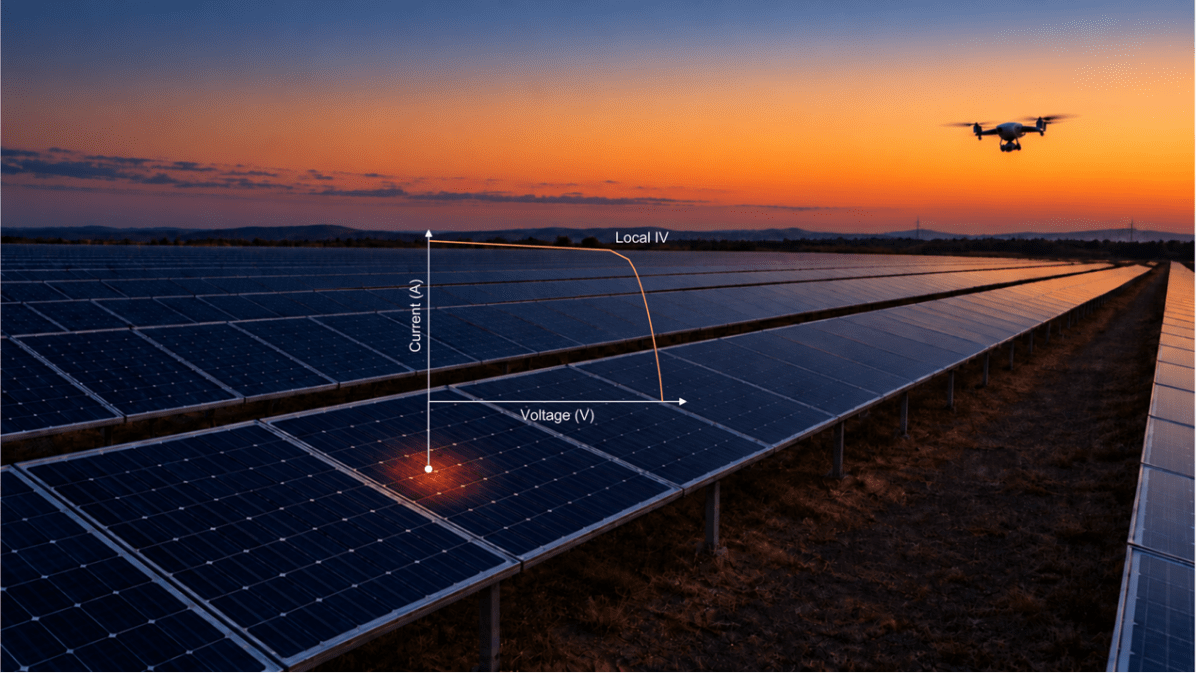
Drones scanning disaster zones could soon stay airborne much longer thanks to a chip that does something remarkable: it turns light into AI language in one single step.
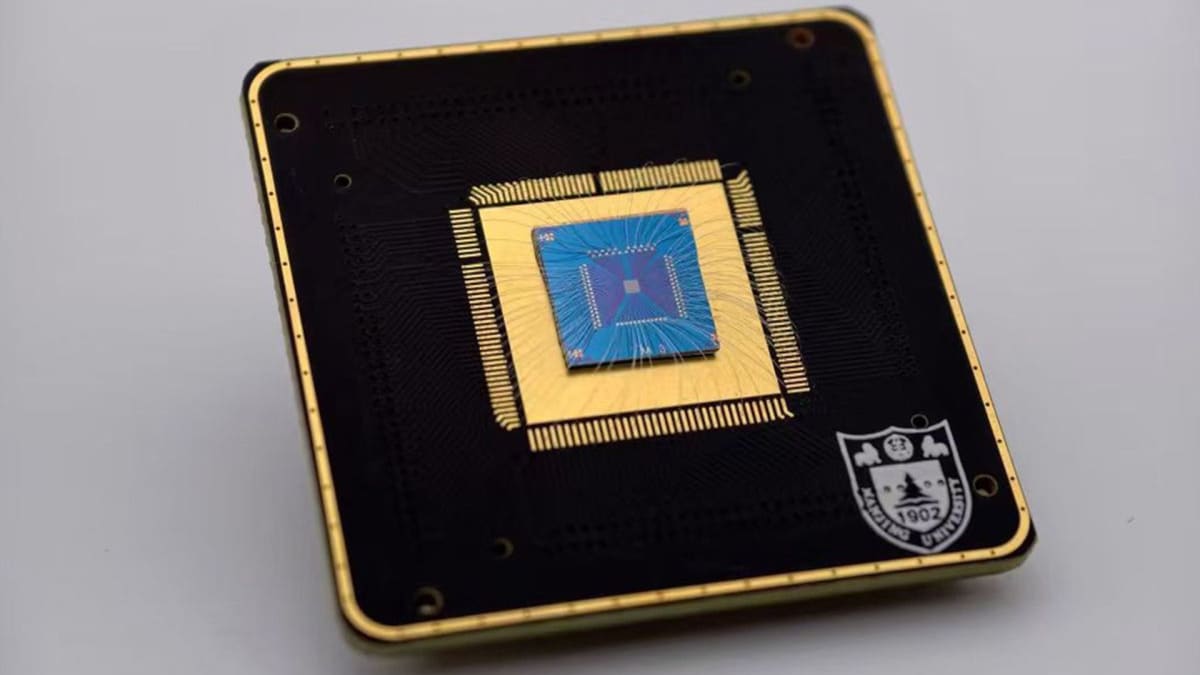
Researchers at Nanjing University in China developed LightTok, a sensor chip that skips the energy-hungry process most cameras use today. Instead of capturing light, converting it to pixels, storing that data, moving it to another chip, and then preparing it for AI, LightTok does everything at once.
The secret lies in a material called molybdenum disulfide that's just one atom thick. When light hits this ultra-thin layer, the chip immediately creates "tokens," which are the building blocks AI models need to understand images. No data shuffling, no energy wasted on moving information around.
"Light comes in, tokens come out," physics professor Liang Shi-Jun told Chinese media. That simple shift makes the chip 10 times more energy efficient than conventional systems.
The chip achieved 87.3% accuracy in recognizing images during tests, proving it works nearly as well as traditional methods while using a fraction of the power. One study found that converting analog signals to digital typically eats up 66% of a camera sensor's energy, so eliminating that step makes a huge difference.
Right now, LightTok only captures images at 32 by 32 pixels, far below smartphone camera quality. But the researchers say it can be scaled up using the same manufacturing process that makes chips for phones and laptops.
The Ripple Effect
The impact could extend far beyond drones. Any device that needs to see and react quickly while running on limited battery power could benefit from this technology.
Search and rescue drones could cover more ground on a single charge. Autonomous robots in warehouses could work longer shifts. Security cameras in remote locations could operate without constant power sources.
Kumar Sokka, CEO of infrastructure security company Acre Security, called it a "small-scale demonstration" but noted the research direction "matters to anyone working in the physical world." He explained that the real challenge in physical AI isn't the models themselves but the massive energy cost of preparing sensor data where it happens.
The technology addresses a growing concern about AI's environmental footprint. As autonomous machines become more common in everything from agriculture to emergency response, finding ways to make them energy efficient becomes critical.
Director Miao Feng believes successful scaling could "transform the operation of remote sensing technology," making machines that see and think more practical for real-world use where every watt of power counts.
More Images
Based on reporting by Live Science
This story was written by BrightWire based on verified news reports.
Spread the positivity!
Share this good news with someone who needs it