Amazon Exhibition Flips 500 Years of Colonial Storytelling
A groundbreaking exhibition in Bonn shows Amazônia through Indigenous eyes, dismantling centuries of Western myths about "timeless wilderness" and "unchanging cultures." The show proves that over 300 languages, ancient innovations, and thriving cultures have always defined this diverse region.
For centuries, Europe painted the Amazon as an untouched jungle frozen in time, but a bold new exhibition is rewriting that colonial fiction with the truth.
"Amazônia. Indigenous Worlds" opened in Bonn, Germany, co-curated by anthropologist Leandro Varison and Indigenous artist Denilson Baniwa. The exhibition flips the script on 500 years of misrepresentation, presenting Amazônia as a living cultural powerhouse spanning nine countries.
The numbers tell a powerful story of diversity. Before European invasion in the 1500s, more than 1,000 languages flourished across the region. Today, over 300 Indigenous languages still thrive, including signed, whistled, and drummed forms of communication.
That linguistic richness dwarfs the European Union's 24 official languages and challenges every stereotype about "primitive" cultures.
One standout piece confronts these myths head-on. Late Macuxi artist Jaider Esbell found a 1972 encyclopedia claiming to show "universal" art history across 400 pages of exclusively European masterpieces. He drew and painted Indigenous cosmologies directly onto the reproductions, reclaiming the narrative page by page.
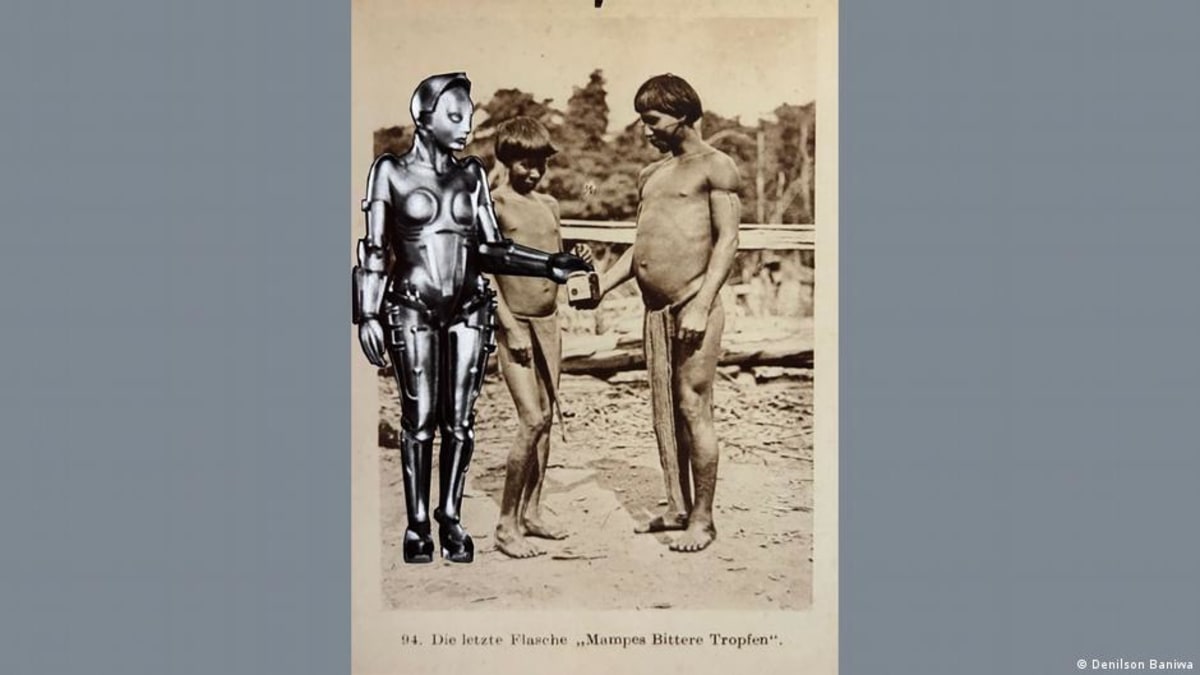
Denilson Baniwa takes a different approach in "Hunters of Colonial Fiction," inserting pop culture icons like King Kong and the Back to the Future DeLorean into old anthropological photos. The jarring combinations expose how those early images were used to stereotype and exoticize Indigenous peoples.
Why This Inspires
The exhibition tackles the most persistent stereotype Varison encounters. "Indigenous peoples are often presented as beings outside of history, always the same, never changing," he explains. "But culture is alive."
Modern Indigenous communities using smartphones doesn't mean they've "lost their culture." It means they're adapting and thriving on their own terms, just as Western societies do.
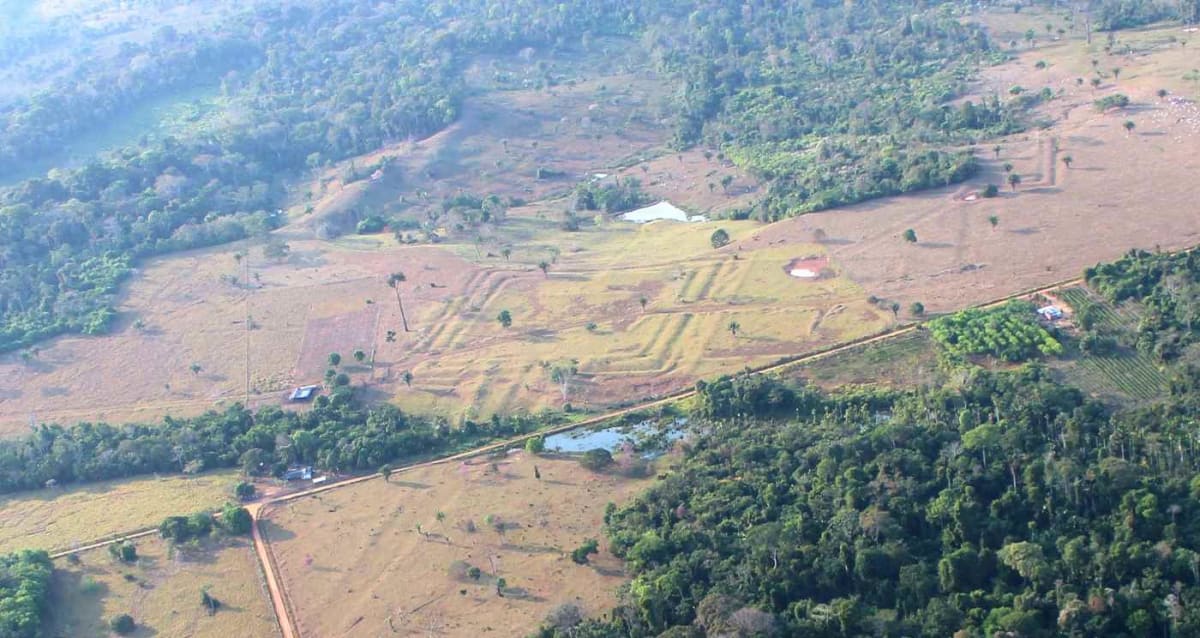
The show also highlights forgotten innovations. Archaeological research reveals that millions lived in Amazônia before colonization, developing terra preta, a carbon-rich soil still studied today. Indigenous communities domesticated Brazil nuts, cacao, and açaí thousands of years before Europeans arrived, cultivating sophisticated forest gardens that shaped the landscape.
These aren't historical curiosities. They're evidence of continuous stewardship, deep knowledge systems, and active relationships with the land that persist today.
The exhibition presents time itself differently, reflecting Indigenous perspectives where ancestors, places, and the living world remain active in the present rather than locked in the past.
By centering Indigenous voices and challenging who gets to tell these stories, "Amazônia. Indigenous Worlds" offers something rare: a chance to see this vast region not as an exotic backdrop, but as the complex, innovative, culturally rich place it has always been.
Based on reporting by DW News
This story was written by BrightWire based on verified news reports.
Spread the positivity!
Share this good news with someone who needs it