Athens Theater Built in 161 CE Still Hosts Sold-Out Shows
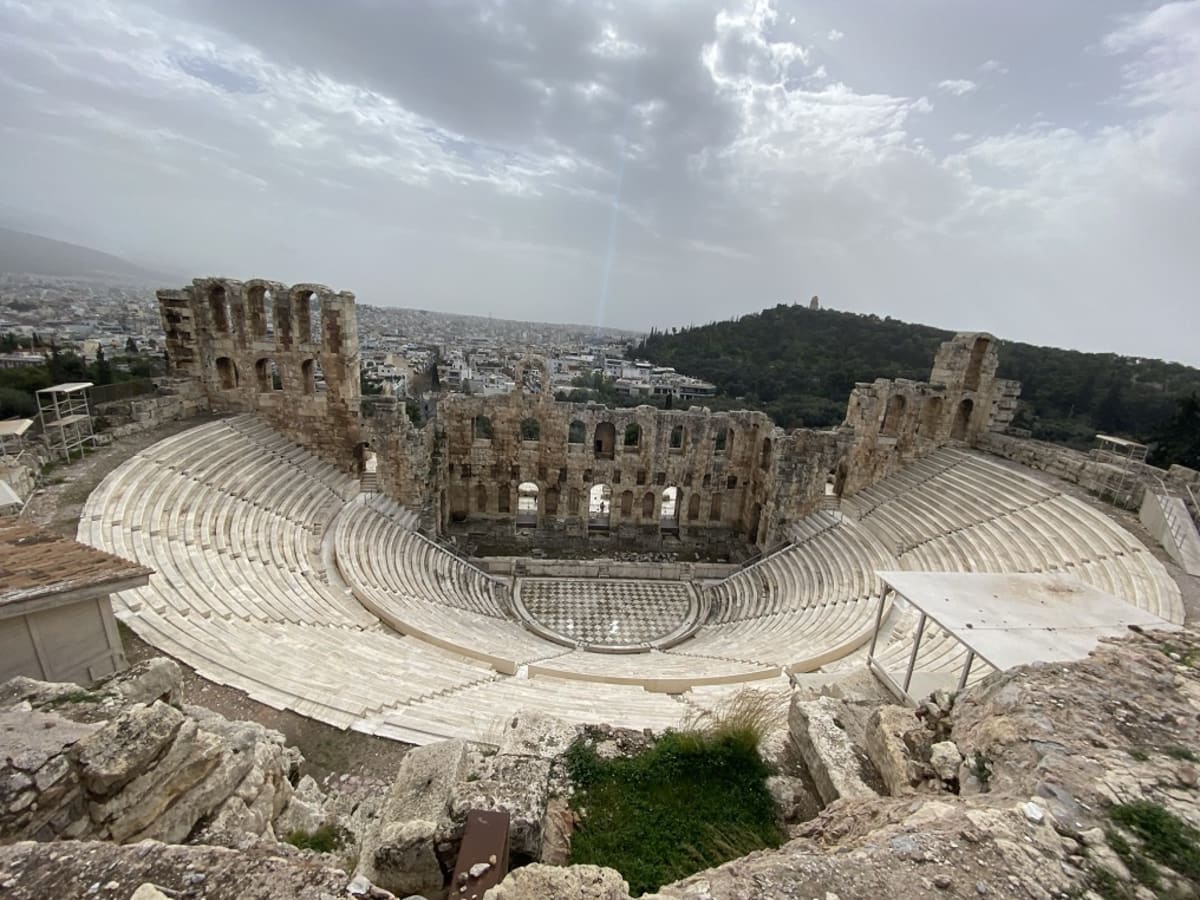
A Roman theater constructed nearly 2,000 years ago beneath the Acropolis continues to draw global superstars and packed audiences every summer. The Odeon of Herodes Atticus proves ancient engineering can outlast any modern venue.
When Maria Callas stepped onto a stone stage in 1950s Athens, she performed in the same spot where Roman audiences gathered 1,800 years before her. The Odeon of Herodes Atticus wasn't just restored—it came back to life.
Wealthy Greek aristocrat Herodes Atticus built this musical theater in 161 CE as a tribute to his late wife, Regilla. He placed it directly beneath the Acropolis, where it could hold 5,000 spectators under a massive cedar wood roof.
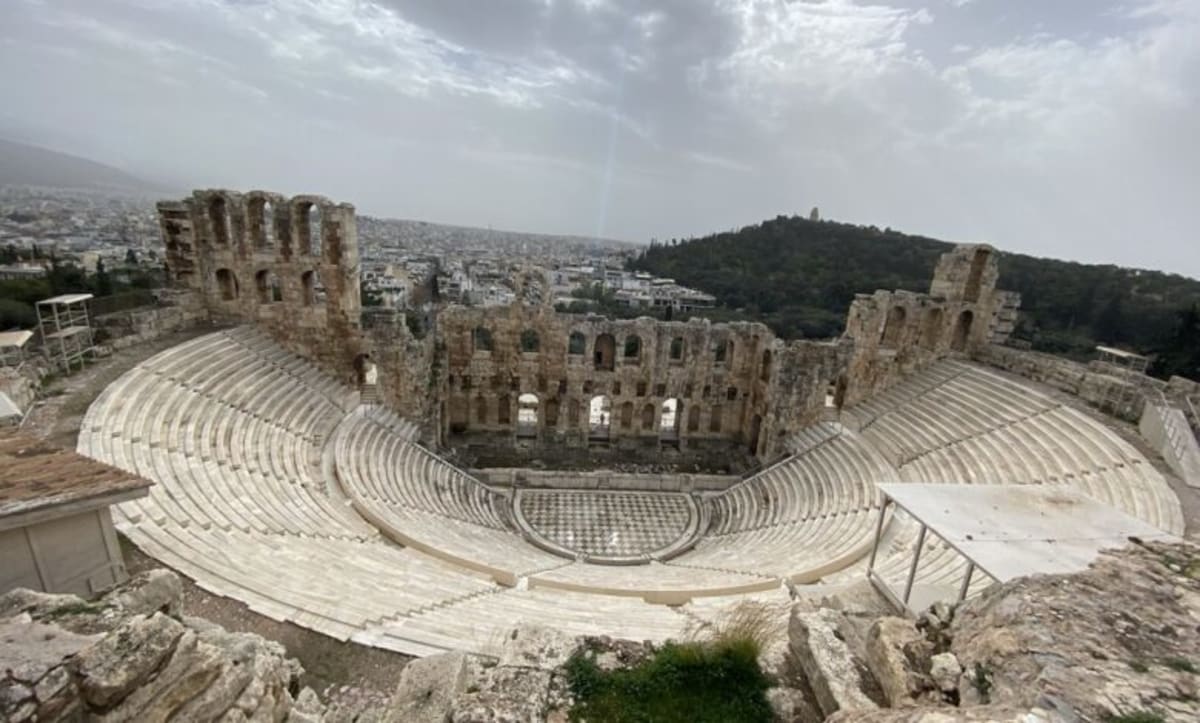
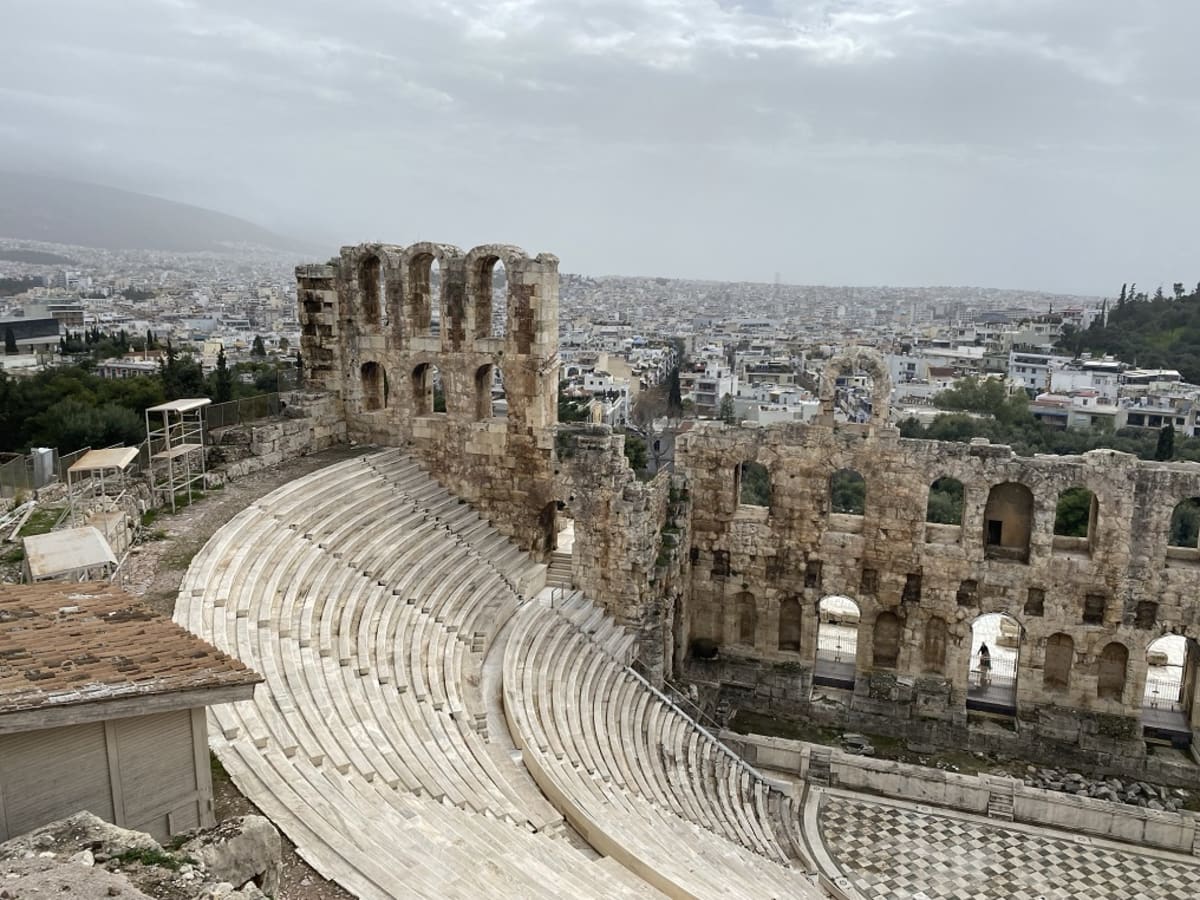
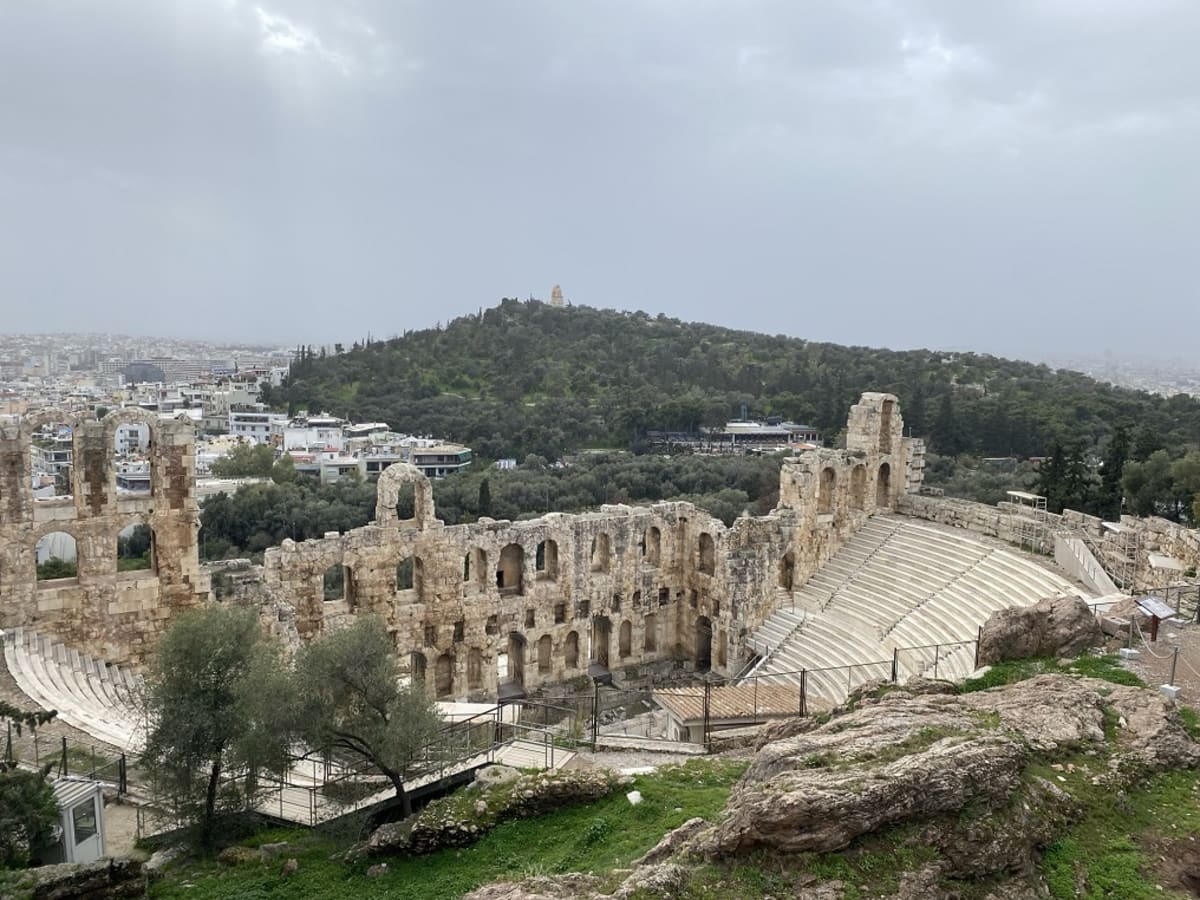
The theater featured three stories of soaring arches and semi-circular stone tiers that faced the ancient skyline. Romans filled these seats for concerts, poetry readings, and plays that defined cultural life in the empire.
Then came the storms. Around 267 CE, invading tribes from northern Europe devastated Athens and left the Odeon in ruins.
For over 1,600 years, the theater sat silent as empires rose and fell around it. Byzantine rulers came and went, followed by Ottoman control, while the once-grand stage remained buried under rubble and neglect.
Greek authorities launched restoration work in the 1950s, carefully rebuilding the structure with original marble and stone. The goal wasn't to create a museum piece—they wanted a working theater.
Why This Inspires
The Odeon's second act has outshone even its glory days. Every summer since reopening, it hosts the Athens and Epidaurus Festival on what's become one of Europe's most prestigious stages.
Luciano Pavarotti sang here alongside José Carreras and Plácido Domingo as The Three Tenors. Greek composer Mikis Theodorakis and singer Nana Mouskouri brought their music home to this ancient venue.
Yanni's 1993 concert "Live at the Acropolis" broadcast from this stage to millions worldwide, introducing a new generation to the theater's magic. Modern audiences still sit on stone seats polished smooth by two millennia of use.
The most remarkable feature remains the acoustics. Second-century engineering allows sound to travel so perfectly across the stone tiers that spectators in the highest row hear every word without microphones or speakers.
Today's performers step onto a Roman stage backed by towering arches, with the illuminated Acropolis rising behind them against the night sky. The ancient and modern don't just coexist here—they harmonize perfectly.
A theater built as an eternal monument to love and art has kept its promise across 1,900 years of history.
More Images
Based on reporting by Egypt Independent
This story was written by BrightWire based on verified news reports.
Spread the positivity!
Share this good news with someone who needs it