Amazon Forest Fires Hit Record Low in 2025
After a devastating 2024 drought, Brazil's Amazon rainforest saw its smallest burned area since records began in 1985, with 3.1 million hectares burned. President Lula's environmental promises are paying off as both fires and deforestation dropped dramatically.
The Amazon rainforest just had its best year on record, proving that climate progress is possible when leaders take bold action.
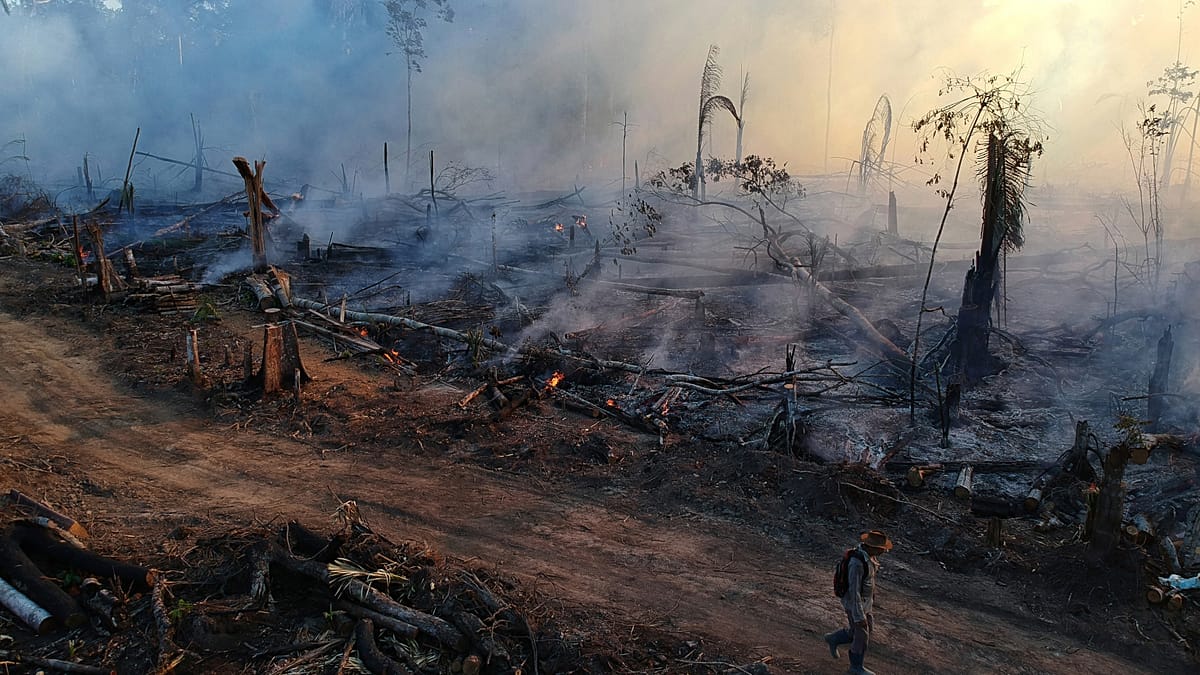
Forest fires in the Brazilian Amazon fell to a historic low in 2025, burning just 3.1 million hectares. That's the smallest area burned since satellite monitoring began in 1985, according to a new report from environmental monitoring network MapBiomas.
The timing couldn't be better. In 2024, an unprecedented drought turned the world's largest rainforest into a tinderbox, with human-made fires destroying countless carbon-absorbing trees and rare wildlife.
So what changed in just one year? Nature gave Brazil a helping hand when delayed rains blocked the typical burning season farmers use to clear land. Communities who witnessed 2024's devastation also stepped up, actively controlling fire outbreaks before they spread.
President Luiz Inacio Lula da Silva's environmental policies deserve credit too. When he took office in 2022, he promised to end deforestation by 2030 after years of record destruction under his predecessor. Within his first six months, deforestation dropped by a third.
Deforestation also eased significantly in 2025, which matters because less clearing means less fuel for fires. The report's coordinator, geographer Ane Alencar, called the decline "out of the ordinary."
The Ripple Effect
This victory extends far beyond Brazil's borders. The Amazon absorbs massive amounts of greenhouse gases that drive global warming, making its protection essential for everyone on Earth.
When the world's largest tropical rainforest burns, we all lose. When it thrives, we all benefit from cleaner air and a more stable climate.
President Lula put it best at the 2022 climate summit: "There is no climate security for the world without a protected Amazon." His administration is proving that political will can reverse environmental damage that seemed unstoppable.
Fires also decreased across the entire country, with Brazil's total burned area hitting its smallest since 2018. The central Cerrado savanna still faces challenges, but the overall trend points toward hope.
The threat isn't over, though. Scientists warn that a potentially strong El Niño weather pattern could bring extended dry seasons and increased fire risk later in 2026. Communities and officials will need to stay vigilant.
But 2025 proved something powerful: environmental destruction can be reversed when governments commit to protection and communities unite around conservation.
More Images

Based on reporting by Euronews
This story was written by BrightWire based on verified news reports.
Spread the positivity!
Share this good news with someone who needs it