Amazon Fungus Creates Safe Dye for Eco-Friendly Cosmetics
Brazilian scientists turned a colorful fungus from the Amazon rainforest into a safe, antioxidant-rich dye for cosmetics that outperforms synthetic alternatives. The discovery offers a sustainable solution as countries ban harmful synthetic dyes linked to allergies and health problems.
A vibrant red fungus discovered on a university campus in the Brazilian Amazon could transform the cosmetics industry into something safer and more sustainable.
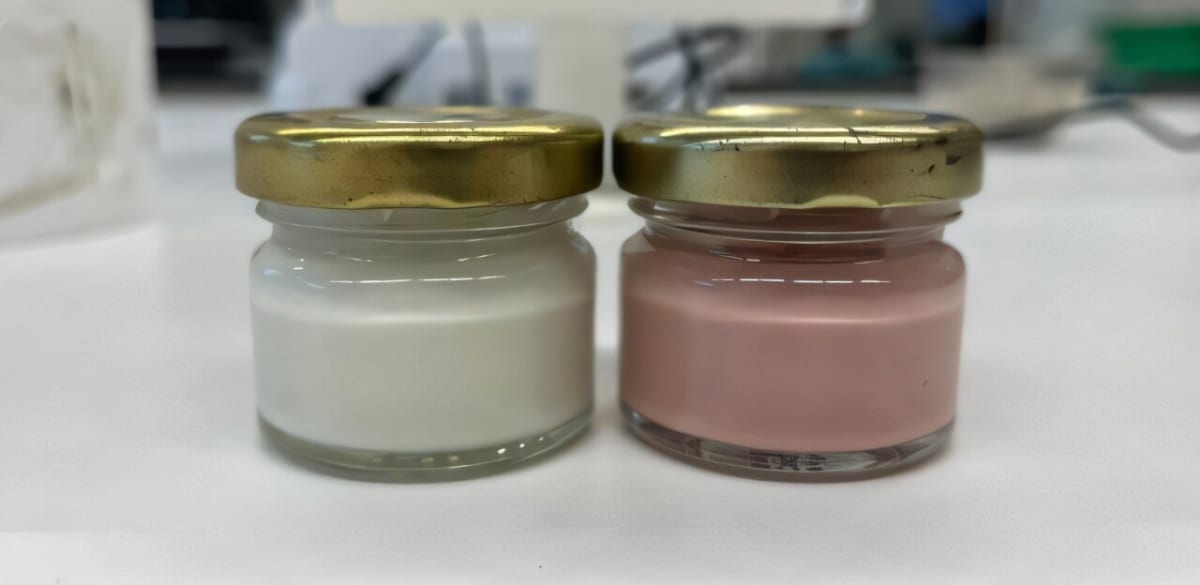
Scientists at São Paulo State University spent over a decade studying Talaromyces amestolkiae, a fungus that produces stunning colors ranging from deep reds to bright yellows. Their latest research shows it can safely color face creams, shampoos, and other beauty products while actually protecting your skin.
The breakthrough comes at a perfect time. Several countries have recently banned or restricted synthetic dyes because they trigger allergies and other health concerns. Demand for natural alternatives is skyrocketing, but finding replacements that work well has been challenging.
Lead researcher Juliana Barone Teixeira and her team tested the fungal dye in real cosmetic formulations, not just in isolation. The results impressed them. The extract reduced skin-damaging compounds by more than 75% and kept over 60% of skin cells alive and healthy during testing.
"We were able to demonstrate that this dye can be applied in cosmetic formulations while maintaining safety, functionality, texture, and overall performance," Teixeira explains. The product doesn't just add color. It delivers antioxidant and antibacterial benefits too.
The fungus itself has an interesting origin story. Professor Maria Francisca Simas Teixeira found it growing among trees on her campus in Manaus, the capital of Amazonas state. She added it to her research collection, where it caught the eye of other scientists because of its intense coloring ability.
To produce the dye in the lab, researchers recreate the warm conditions the fungus loves in its natural Amazonian home. The team has successfully scaled up production, but they're not stopping there.
The Ripple Effect
About 20 students now work on expanding applications for this remarkable fungus. Some are testing whether the dye can color fabrics or foods like gelatin. Others focus on increasing production from one gram to ten grams, which would make commercial manufacturing feasible.
Professor Valéria de Carvalho Santos-Ebinuma, who supervised the research, emphasizes an important message: not all microorganisms cause harm. "Some produce beneficial compounds," she says. "This is an area that has grown, and it's precisely where we work with biotechnology, using these living beings for the benefit of society."
The team partnered with cosmetics experts at the University of Lisbon to ensure their formulations would appeal to real customers. Marketing research shows color is one of the main factors influencing purchase decisions, making this natural alternative even more valuable.
The research appears in the journal ACS Omega and represents years of careful work exploring Amazonian biodiversity. Scientists believe many more beneficial species remain undiscovered in the rainforest, waiting to solve modern problems with ancient solutions.
More Images

Based on reporting by Phys.org
This story was written by BrightWire based on verified news reports.
Spread the positivity!
Share this good news with someone who needs it
%2Fhttps%3A%2F%2Ftf-cmsv2-smithsonianmag-media.s3.amazonaws.com%2Ffiler_public%2Fb8%2F5e%2Fb85ec0c4-468f-4a60-9021-4a6d41a63e39%2Falfie-bailey.png)