Amazon Rope Bridges Enable 15,000 Wildlife Crossings
Eight simple rope bridges in the Brazilian Amazon allowed 15,000 animals to cross a deadly highway safely over 15 months, with zero roadkill recorded. The low-cost design is now Brazil's official national standard for wildlife crossings.
In a Brazilian Amazon town where endangered marmosets once lay dead on the pavement, 15,000 animals have now crossed the road safely thanks to eight rope bridges strung between the trees.
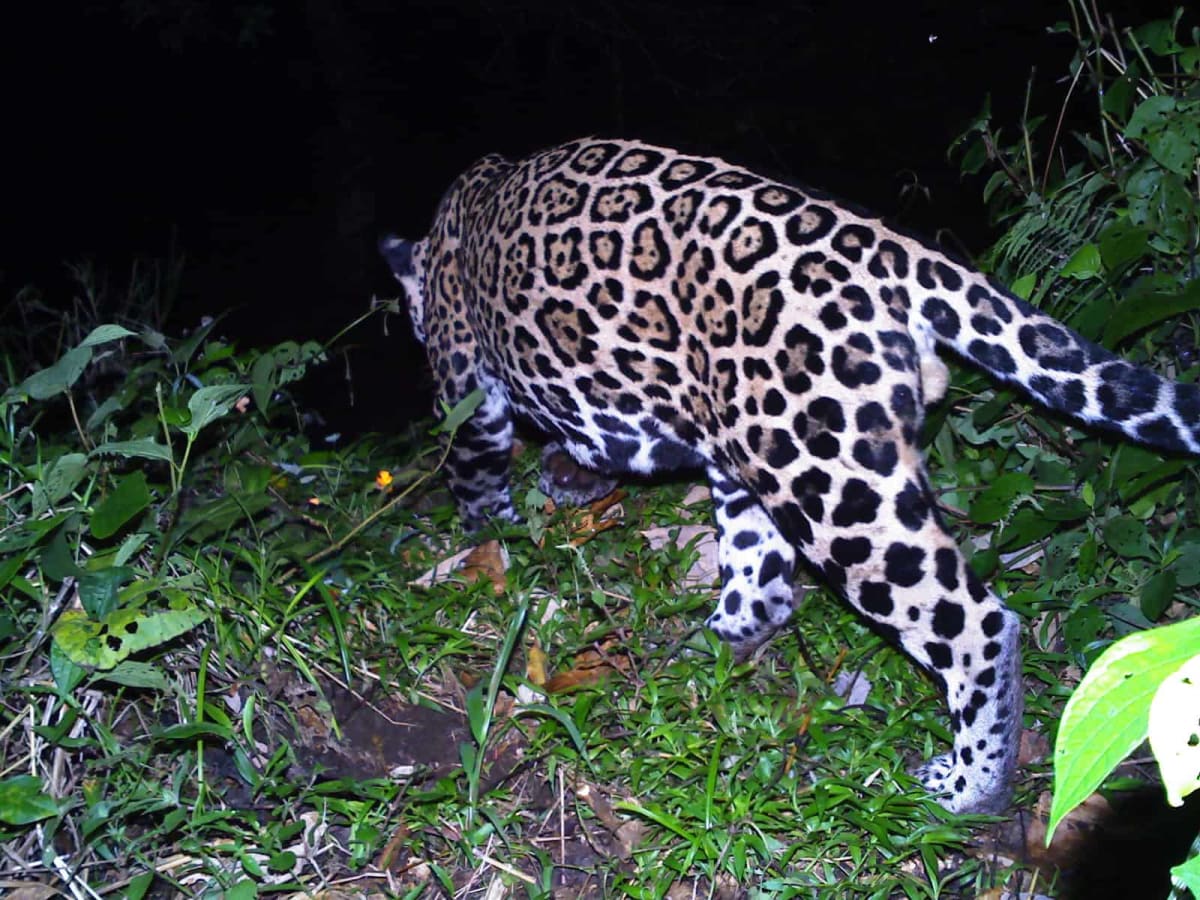
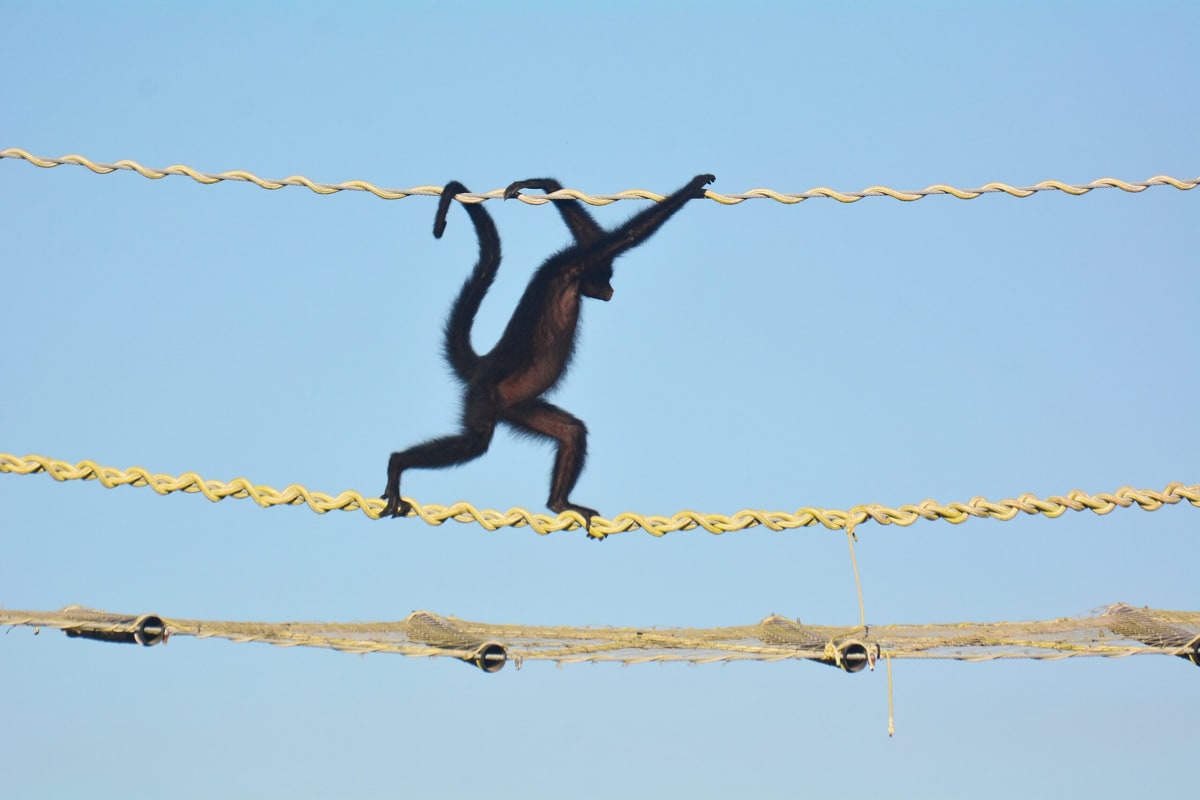
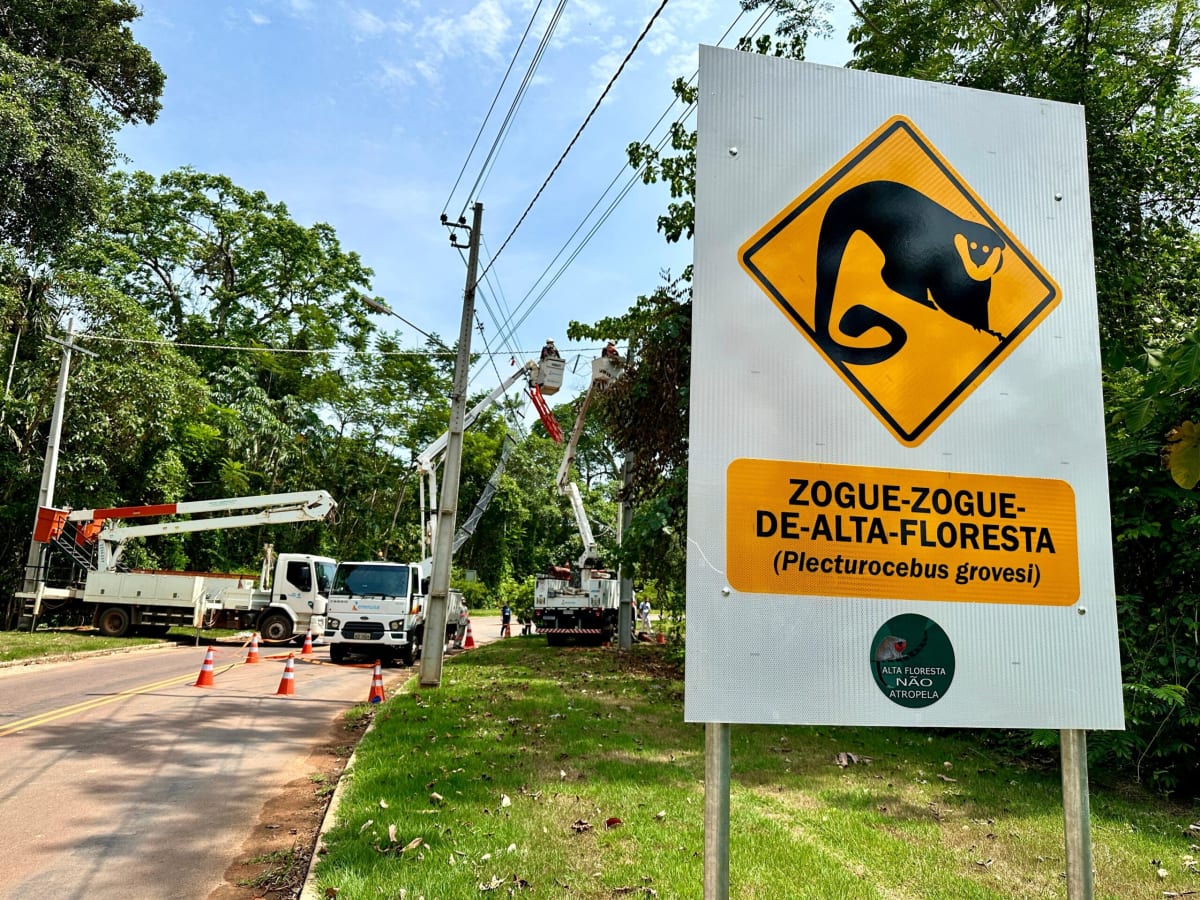
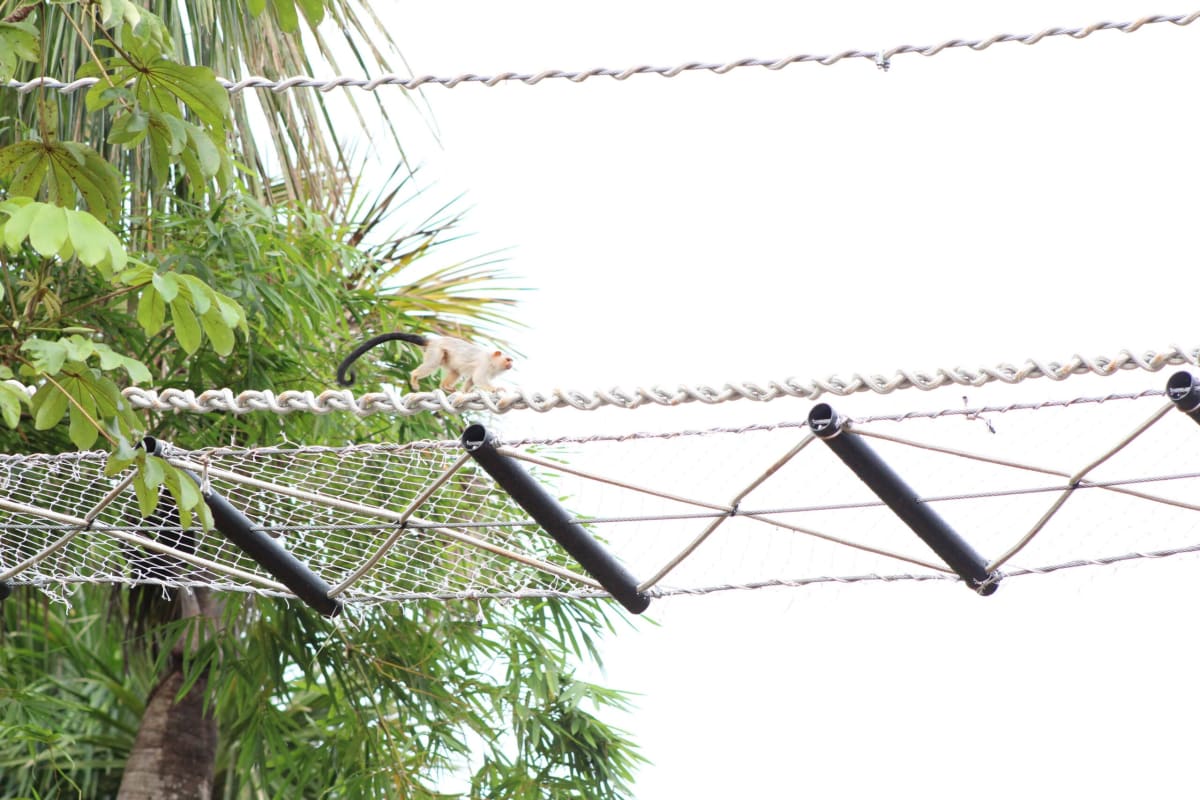
The canopy bridges in Alta Floresta connected fragmented forest patches over a busy highway. Camera traps captured critically endangered Alta Floresta titi monkeys, spider monkeys, howler monkeys, and threatened marmosets swinging across the ropes. Not a single animal died trying to cross the road during the 15-month study.
"Just hours before installing the first bridges, I found two dead marmosets," said biologist Fernanda Abra, who created Project Reconecta. The species is threatened with extinction, making each loss devastating.
The bridges solve two problems at once. They let animals move between forest patches to find food and mates, which keeps populations genetically healthy. They also eliminate the heartbreaking roadkill that happens when highways slice through habitats.
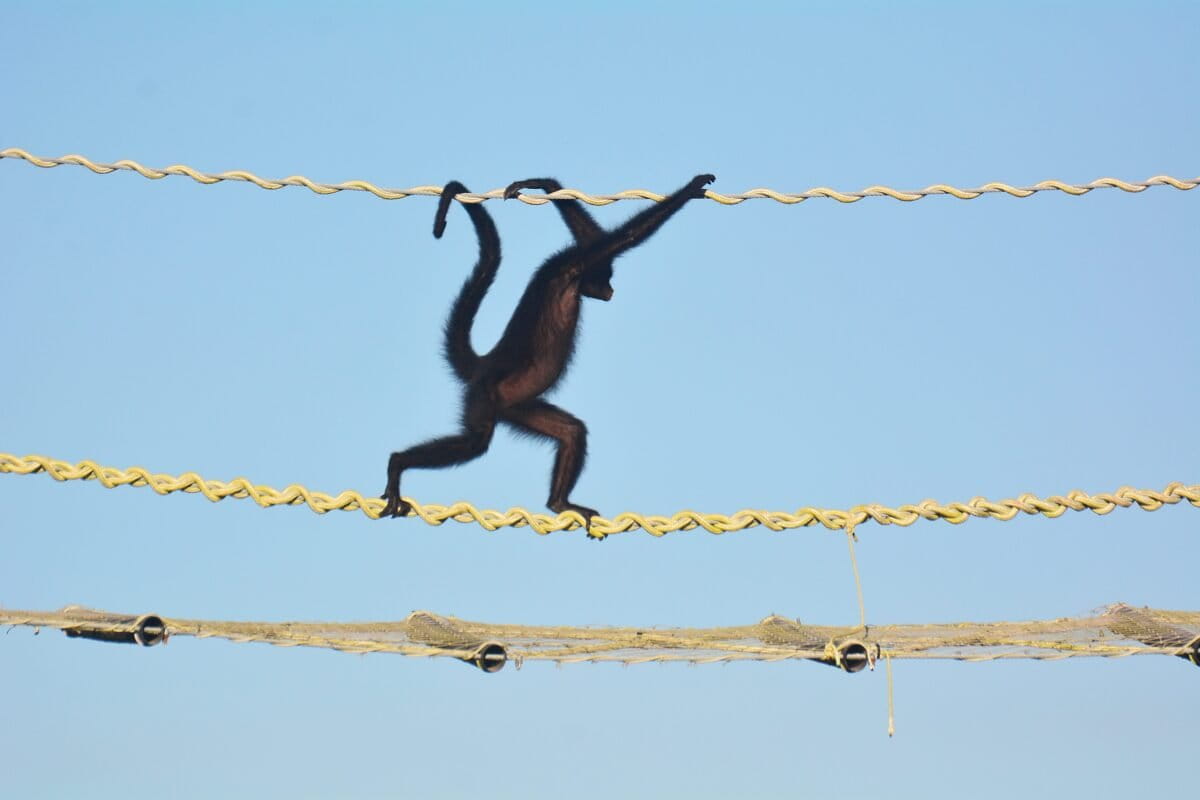
Each bridge uses multiple rope layers to accommodate different animals. Spider monkeys swing arm over arm, while other primates use their tails or simply walk across the woven network. The design is simple enough that local communities can build and maintain them.
Brazil's federal transport department loved the results so much they made Reconecta's design the official national standard. Millions of animals die on Brazilian roads every year, and these bridges offer an affordable solution.
The Ripple Effect
The success in Alta Floresta builds on earlier wins. In 2021, Abra worked with the Waimiri-Atroari Indigenous people to install 32 bridges over a major Amazon highway. Over five years, cameras documented 1,250 primate crossings.
Local business owners in Alta Floresta embraced the project, eager to protect their unique wildlife and promote ecotourism. The town adopted the critically endangered titi monkey as its symbol. In August, eight more bridges will go up in the urban area, with power lines being lowered and insulated to prevent electrocution.
The bridges enable something even more important than individual survival. When animals can safely move between forest patches, they disperse seeds and maintain genetic diversity. This reverses the domino effect of biodiversity loss that starts when highways cut habitats in two.
Abra, a National Geographic Explorer and Whitley Award winner, is now expanding the bridges to other Brazilian ecosystems and neighboring Suriname. What started as a simple rope solution is becoming a national movement.
The project proves that protecting wildlife doesn't require massive infrastructure or huge budgets. Sometimes the best solutions are the ones animals can actually use, swinging through the canopy just as nature intended.
More Images

Based on reporting by Mongabay
This story was written by BrightWire based on verified news reports.
Spread the positivity!
Share this good news with someone who needs it