Amazon Study: Protecting Forests Beats Planting New Ones
Scientists studying 3 million hectares in the Amazon found that preventing fires and logging in existing forests protects more wildlife and carbon than restoration alone. The findings suggest conservation dollars should prioritize the forests still standing.
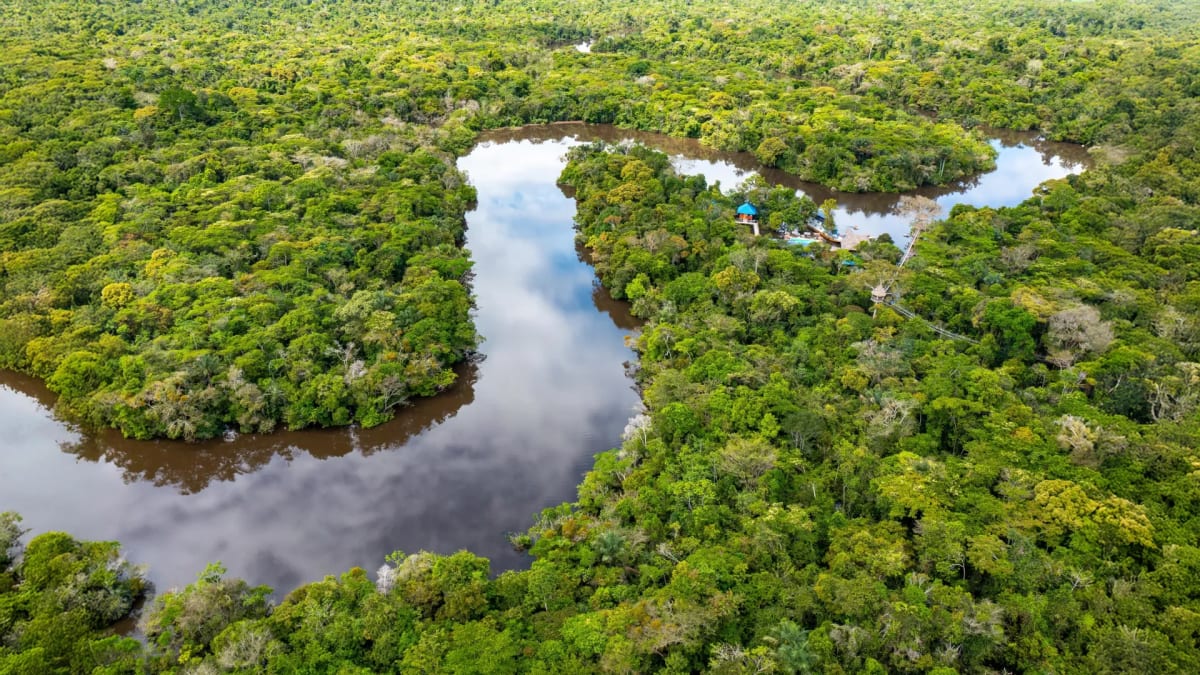
A decade-long study of the Amazon rainforest reveals a conservation truth that could reshape how the world protects its most vital ecosystems: saving the forests we have matters more than rebuilding the ones we've lost.
Scientists from Lancaster University led an international team examining over three million hectares in Brazil's Pará state from 2010 to 2020. They tracked 160 bird species, 426 tree species, and surveyed 499 rural properties to compare different conservation strategies head to head.
The results were clear. Preventing damage from wildfires and selective logging delivered the greatest benefits for biodiversity and nearly matched deforestation prevention for protecting carbon storage. Restoration, while important, was both more expensive and less effective when used alone.
"While no one strategy is a silver bullet, our results provide clear evidence that we should begin by prioritizing the forests we have left," said Dr. Leonardo Miranda, the study's lead author. His team found that protection must go beyond stopping chainsaws and actually include preventing the fires and disturbances that quietly degrade forests without clearing them completely.
The timing matters urgently. The 2026 El Niño is strengthening across the Amazon right now, bringing longer, hotter dry seasons that fuel more intense forest fires. Professor Jos Barlow, the study's senior author, emphasized that climate change combined with these natural cycles is making fire prevention more critical than ever.
The Ripple Effect
The research carries particular weight as governments worldwide pour billions into forest restoration programs. Both global environmental commitments and Brazilian policies include ambitious plans to regrow forests on cleared land. This study doesn't diminish those efforts but shows they work best alongside strong protection of existing forests.
Dr. Joice Ferreira from Embrapa captured the challenge perfectly: "We are pouring money into a leaky pot, restoring forests in one place while others are being degraded and lost." Her team found that restoration was essential in heavily cleared landscapes but delivered disappointingly small returns when standing forests continued burning and suffering logging damage nearby.
The most powerful finding offered hope. When researchers combined all three strategies (preventing deforestation, preventing forest damage, and restoration), they achieved net gains in both biodiversity and carbon storage across the study area. No single approach managed that feat alone.
The path forward requires tailoring conservation funding to individual landscapes rather than applying one-size-fits-all solutions. In areas where forests still dominate, preventing fires and logging offers the biggest bang for the buck. Where clearing has already devastated the landscape, restoration becomes more valuable, but only if existing forest patches receive protection too.
The Amazon holds roughly 10 percent of all species on Earth and stores decades worth of human carbon emissions, making these findings relevant far beyond Brazil's borders.
Based on reporting by Science Daily
This story was written by BrightWire based on verified news reports.
Spread the positivity!
Share this good news with someone who needs it