Amazon's 'Ghost Dog' Reveals Healthiest Forests in Bolivia
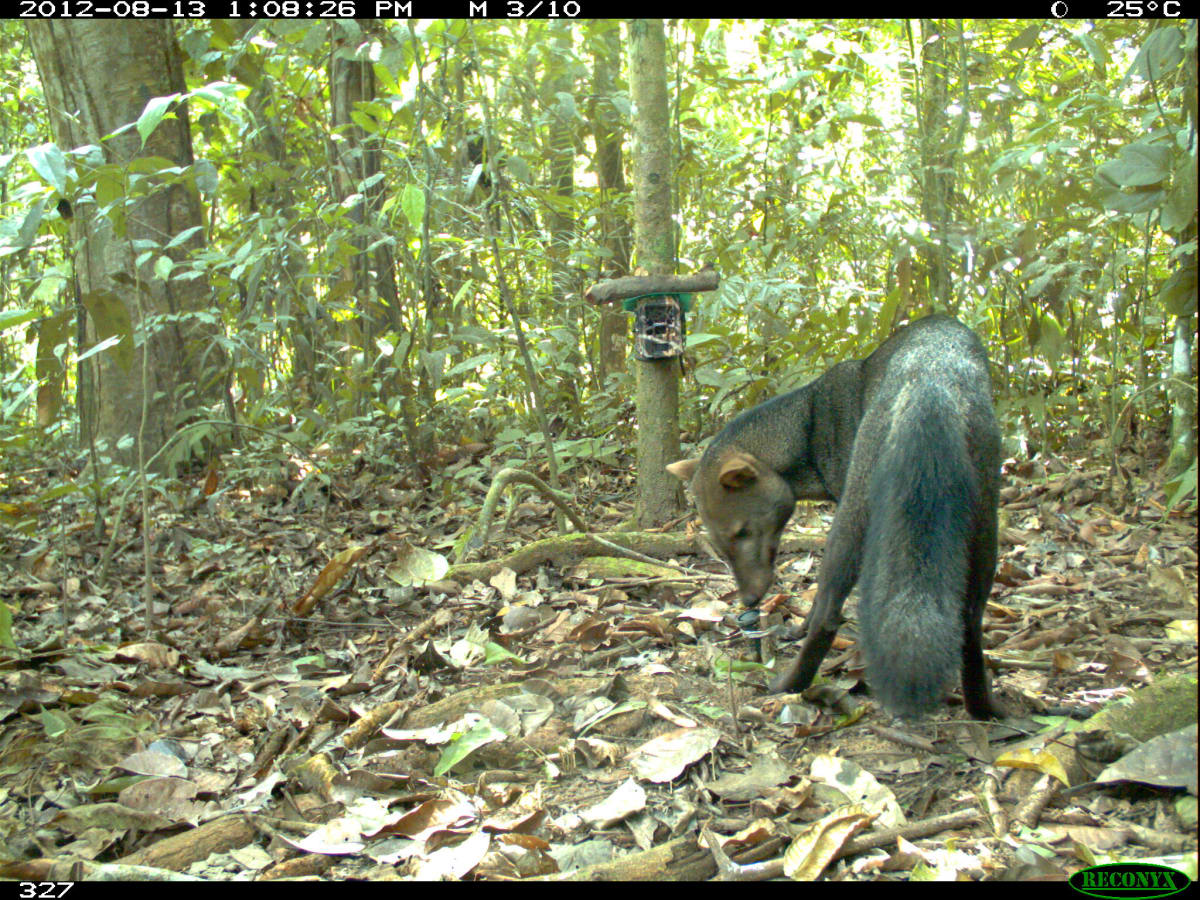
A rare, fox-like carnivore called the short-eared dog is helping scientists identify the Amazon's healthiest forests. Two decades of camera trap research in Bolivia shows this elusive species only thrives where forests remain large and connected.
Deep in Bolivia's Amazon rainforest, researchers have been tracking one of the world's most mysterious carnivores to understand which forests are truly thriving.
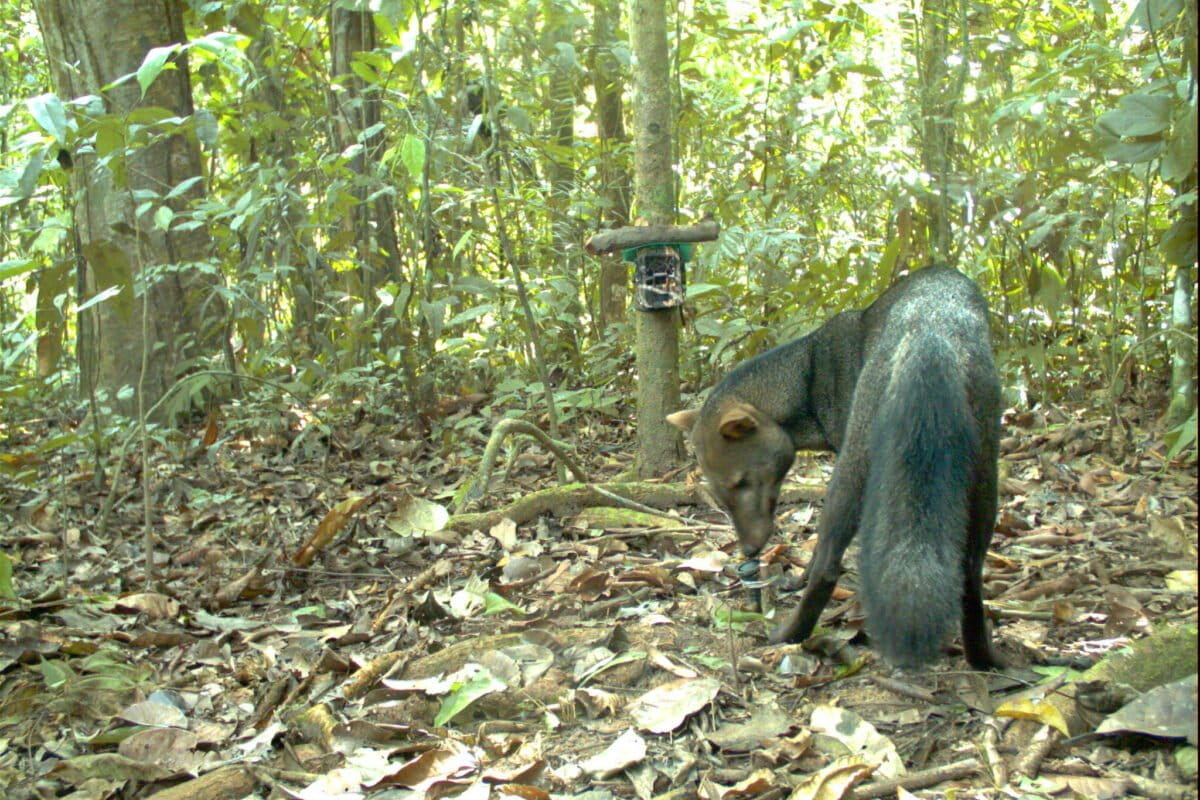
The short-eared dog earned its Spanish nickname "perro fantasma" or ghost dog for good reason. With its fox-like snout, rounded ears, webbed toes, and bushy tail that drags along the forest floor, this rare carnivore is so elusive that even experienced field biologists rarely spot one in person.
That's exactly what makes it valuable. For over 20 years, researchers placed camera traps across Bolivia's lowland Amazon forests, piedmont forests near the Andes, and areas managed by Indigenous communities and protected areas.
The results brought encouraging news. The ghost dog appeared in more locations than earlier records showed, revealing the species may be more widespread than scientists previously thought.
But here's the crucial finding: every single recording happened in large, well-preserved forest areas. The dogs weren't showing up in small forest fragments or degraded landscapes. They need big, connected spaces to survive.
This pattern gives conservation groups and land managers a powerful new tool. When ghost dogs appear on camera traps, it signals that a forest ecosystem is still functioning at full strength.
The research also demonstrates why patience matters in conservation science. Rare animals don't show up on short surveys. A camera might sit for months before capturing a single ghost dog. Only long-term studies spanning years and multiple landscapes can reveal these hidden patterns.
The Ripple Effect
The ghost dog findings reach far beyond one species. Indigenous territories and protected areas in Bolivia are proving their value by maintaining the large, connected forests these rare carnivores require.
When decision-makers know a forest supports ghost dogs, they have concrete evidence the ecosystem is healthy enough to support countless other species too. It's like having a quality seal for forest conservation.
The research gives funders and policymakers measurable proof that keeping forests large and connected works better than protecting small, isolated patches.
The short-eared dog may never become a famous conservation mascot like pandas or tigers, but its quiet presence is telling researchers exactly which forests are worth protecting and how to do it right.
More Images



Based on reporting by Mongabay
This story was written by BrightWire based on verified news reports.
Spread the positivity!
Share this good news with someone who needs it