American Oystercatcher Numbers Soar 45% in 15 Years
A bird once wiped out in New England is making a stunning comeback, proving that focused conservation efforts can reverse species decline. American oystercatcher populations jumped 45% along Atlantic and Gulf coasts between 2008 and 2023.
The quirky bird with the bright orange bill and piercing call is staging one of conservation's most remarkable comebacks, and it happened because people chose to share the beach.
American oystercatchers were nearly extinct in New England by 1900, victims of hunting and egg collecting. Today, these football-sized shorebirds are thriving again thanks to a decade-long effort that brought together 35 coastal organizations across 16 states and $10 million in funding.
The results speak for themselves. From 2008 to 2023, oystercatcher populations increased 45% along the Atlantic and Gulf coasts, even as most other North American shorebirds continue to decline.
The secret to success was simple but powerful: teach beachgoers to coexist with nesting birds. Colorful signs educated visitors about the birds' presence, while low fences with chicken wire kept predators like skunks and raccoons away from nesting sites.
Conservation teams also identified that chick survival was the main factor driving population loss. Each location then created custom solutions, whether that meant managing recreational disturbance, controlling predators, or protecting nests from sea level rise.
Martha's Vineyard saw breeding pairs increase 77% since 2009 after becoming the first Massachusetts location to welcome nesting oystercatchers back. North Carolina's breeding pairs jumped nearly 20% to 403 birds.
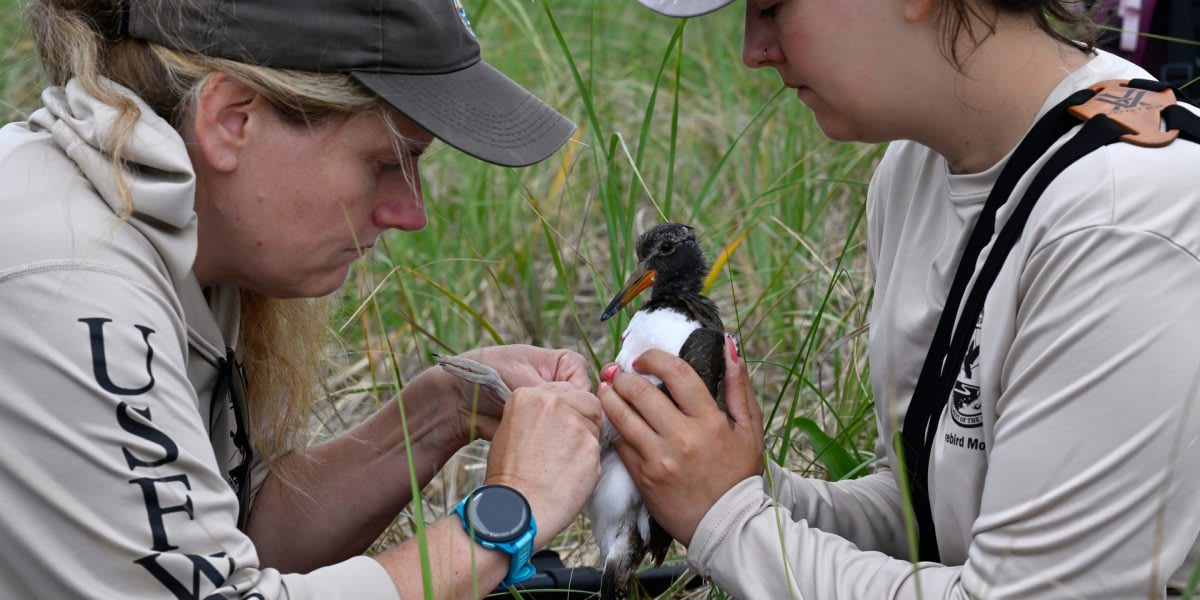
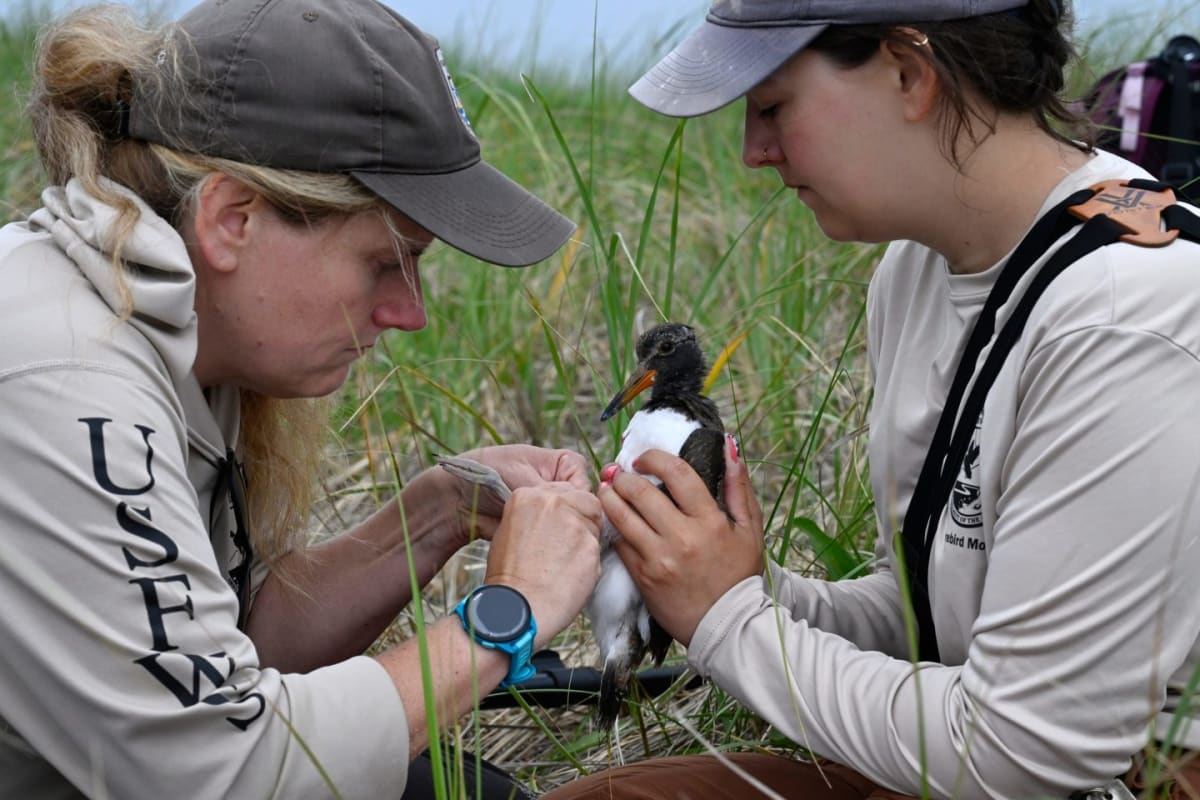
Federal wildlife biologist Maureen Durkin calls it "a great conservation success story." She led banding efforts at Rhode Island's Trustom Pond National Wildlife Refuge, where biologists track individual birds to monitor population health.
The Ripple Effect
The oystercatcher recovery demonstrates something bigger than saving one species. When communities commit to conservation before a species reaches endangered status, they can prevent crisis altogether.
The birds also benefited from protections already in place for piping plovers, a threatened shorebird sharing the same nesting areas. Seasonal vehicle and dog restrictions meant to protect plovers helped oystercatchers thrive too.
Some banded birds like Dark Green 06 and Yellow 25 have become minor celebrities, tracked since 2004. Their longevity proves these resilient birds can adapt to changing environments, even nesting on rooftops and in urban areas when needed.
The American Oystercatcher Working Group was led by Shiloh Schulte, a conservation biologist whose initial aerial surveys revealed the species' double-digit decline. His work laid the foundation for this remarkable turnaround.
North Carolina biologist Lindsay Addison says the success proves a crucial point: focused conservation efforts work best before species become critically endangered. The oystercatcher recovery happened because people acted early and stayed committed.
Climate change and coastal erosion still threaten nesting sites, but conservationists continue adapting their strategies to protect these charismatic birds and their beach homes.
More Images



Based on reporting by Google News - Conservation Success
This story was written by BrightWire based on verified news reports.
Spread the positivity!
Share this good news with someone who needs it