Americans Thriving Without Cars in LA, Chicago, Oakland
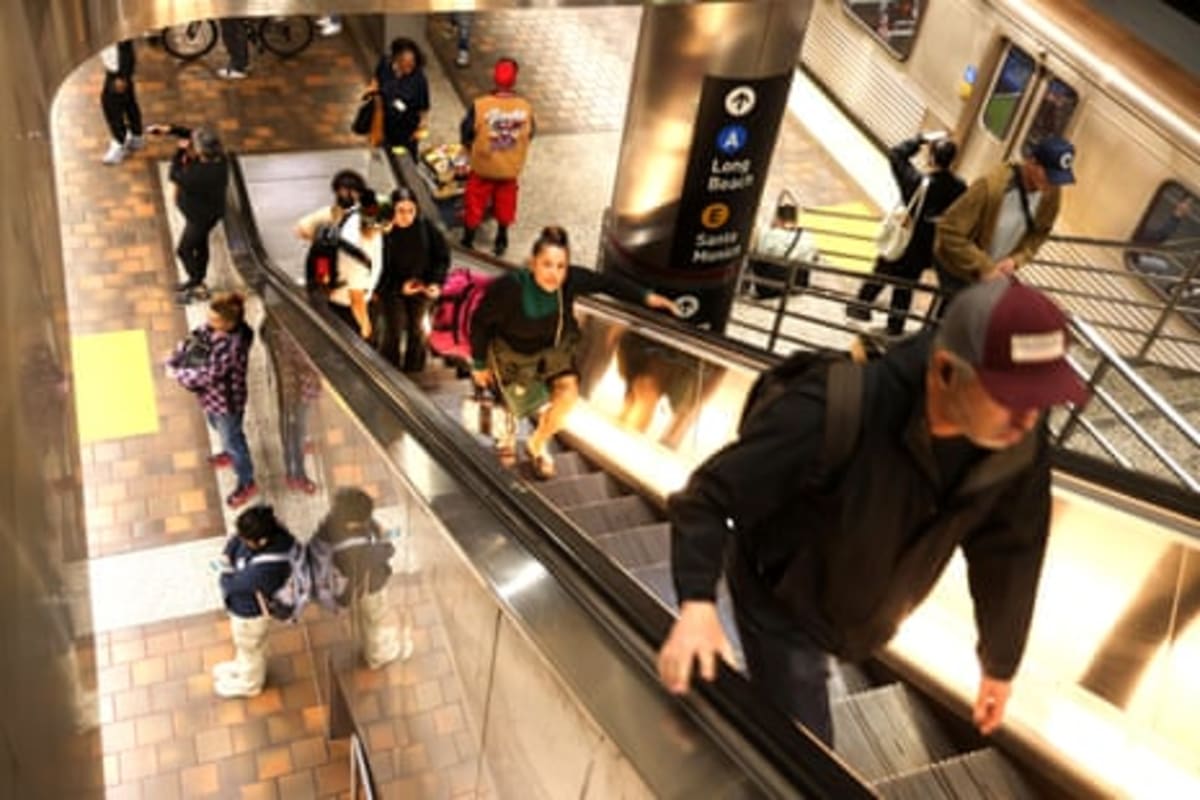
Thousands of Americans are ditching car ownership in some of the country's most car-dependent cities and loving it. From Los Angeles to small-town Wisconsin, people are proving you don't need four wheels to build a fulfilling life.
Ellen moved from New York to Los Angeles five years ago and decided to try something locals said was impossible: living without a car. She's never looked back.
"It's certainly a stereotype that you can't not drive here, but a lot of people do get around without them," says Ellen, who combines biking and trains for her daily commute. While it takes planning and patience, she's made it work in one of America's most car-obsessed cities.
She's not alone. Across the country, Americans are choosing bikes, buses, and their own two feet over car ownership. They're reshaping their lives around public transit and discovering unexpected benefits along the way.
Nathaniel Knize, a 30-year-old librarian in Chicago, takes up to 10 transit trips daily using the city's CTA system. He walks everywhere else, skipping bikes to avoid the stress of theft and parking. "Chicago has world-class transportation," he says, though he admits visiting family in the suburbs still takes creativity.
In Oakland, California, train conductor Enzo Mthethwa calls his city "one of the best to live in without a car in the country." After growing up in car-dependent Florida, he loves the freedom of walking and taking trains. The 38-year-old uses a combination of bike shares and Bay Area Rapid Transit to get around, though early Sunday shifts before trains start running still require an occasional rideshare.
Even in smaller cities, it's possible. Kevin Ducey, a 67-year-old college teacher in La Crosse, Wisconsin, hasn't owned a car since 2004. He bikes three seasons a year and takes the bus in winter, sometimes walking a mile downtown when needed.
The Ripple Effect
These car-free pioneers are proving that American cities can work differently. Their choices reduce traffic congestion, lower carbon emissions, and challenge the assumption that cars are essential for American life. Ellen reorganizes social plans around transit routes. Nathaniel visits cities based on their metro systems. Each small adjustment creates a blueprint others can follow.
The challenges are real. Transit systems need better late-night service, safer routes, and more frequent trains. Cultural bias against non-drivers persists, especially in car-centric cities. But these Americans are voting with their feet, literally, showing that change is already happening from the ground up.
Their message is clear: living without a car takes creativity, but it's absolutely doable.
More Images



Based on reporting by Guardian Environment
This story was written by BrightWire based on verified news reports.
Spread the positivity!
Share this good news with someone who needs it