Americans Turn to Solar as Energy Crisis Drives Independence
In just 23 days after global conflict disrupted oil supplies, home solar requests jumped 21% as Americans sought control over their energy future. After 50 years of advocacy, it's uncertainty—not ideology—that's finally driving the clean energy revolution.
Americans are racing toward solar power, and the reason might surprise you.
When war disrupted oil supplies through the Strait of Hormuz, requests for home solar systems paired with batteries surged 21% in just three weeks. Used electric vehicle sales jumped 17% in a single quarter after hitting their lowest point since 2022. The clean energy movement spent half a century trying to win hearts and minds, but global instability accomplished what decades of advocacy could not.
The shift started with values. Twenty million people showed up for the first Earth Day in 1970, convinced that protecting the planet was simply right. Congress passed tax incentives. Environmental conviction was real, but it moved only a committed minority. By 2010, after 40 years of moral arguments, solar still represented less than 0.1% of U.S. electricity.
Then came the economic pitch. Federal tax credits helped the solar industry grow more than 10,000% between 2006 and 2020. By 2024, solar accounted for over 80% of new electric capacity added to the grid. The math worked: solar now costs the same or less than traditional utility power across most of the country.
But today's surge runs deeper than savings. Americans are seeking control in an increasingly chaotic world. Gas prices swing wildly with each geopolitical crisis. The aging grid fails during extreme weather. Energy bills climb unpredictably. Solar panels, home batteries, and electric vehicles offer something the grid cannot: certainty.
The psychology is clear. When external forces govern our lives, we grab control wherever we can. Energy has become that domain. Nearly 78% of homeowners worry about grid reliability. Sixty-four percent say recurring blackouts would push them toward solar within five years. Since the conflict began, half of Americans express extreme concern about affording fuel in coming months.
The conversation has shifted from "how much will I save?" to "how do I protect my family from the next crisis?" Solar delivers self-determination. Every kilowatt generated at home is one less vulnerable to supply chain shocks or international conflicts.
Challenges remain real. Supply chain pressures and equipment tariffs are raising costs. Federal residential tax credits expired at the end of 2025, increasing upfront investment. But financing options requiring no money down keep solar accessible for many homeowners. Once panels are installed, the energy is free. Every dollar invested today hedges against tomorrow's uncertainty.
The Ripple Effect
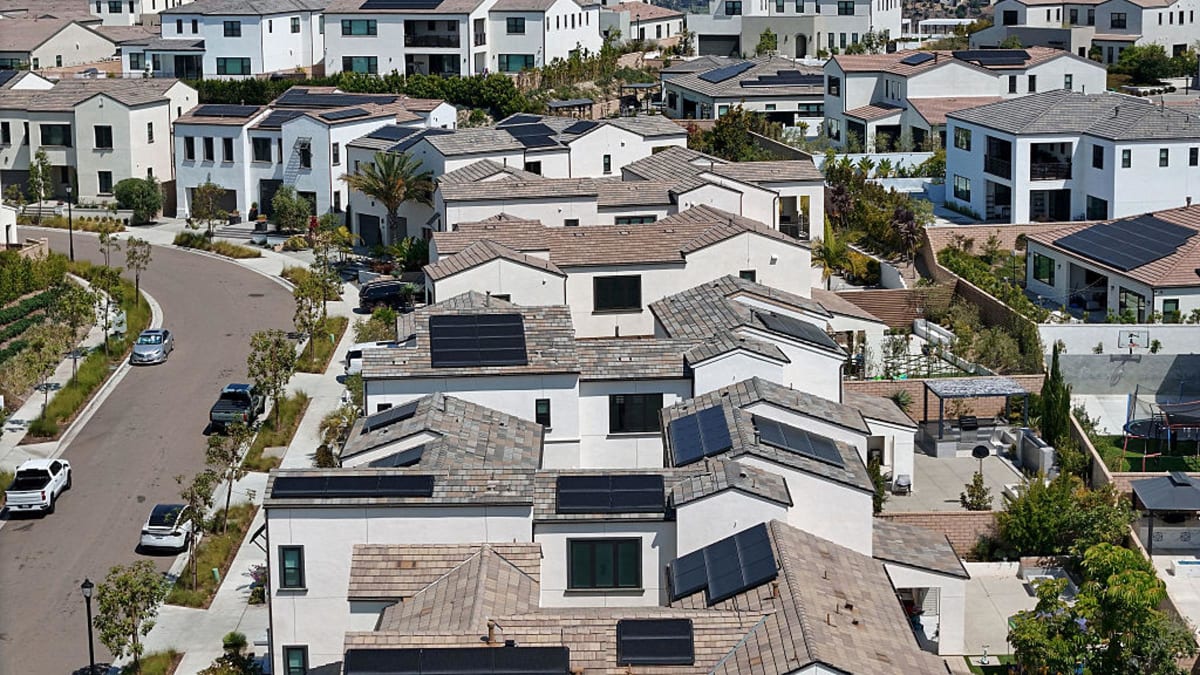
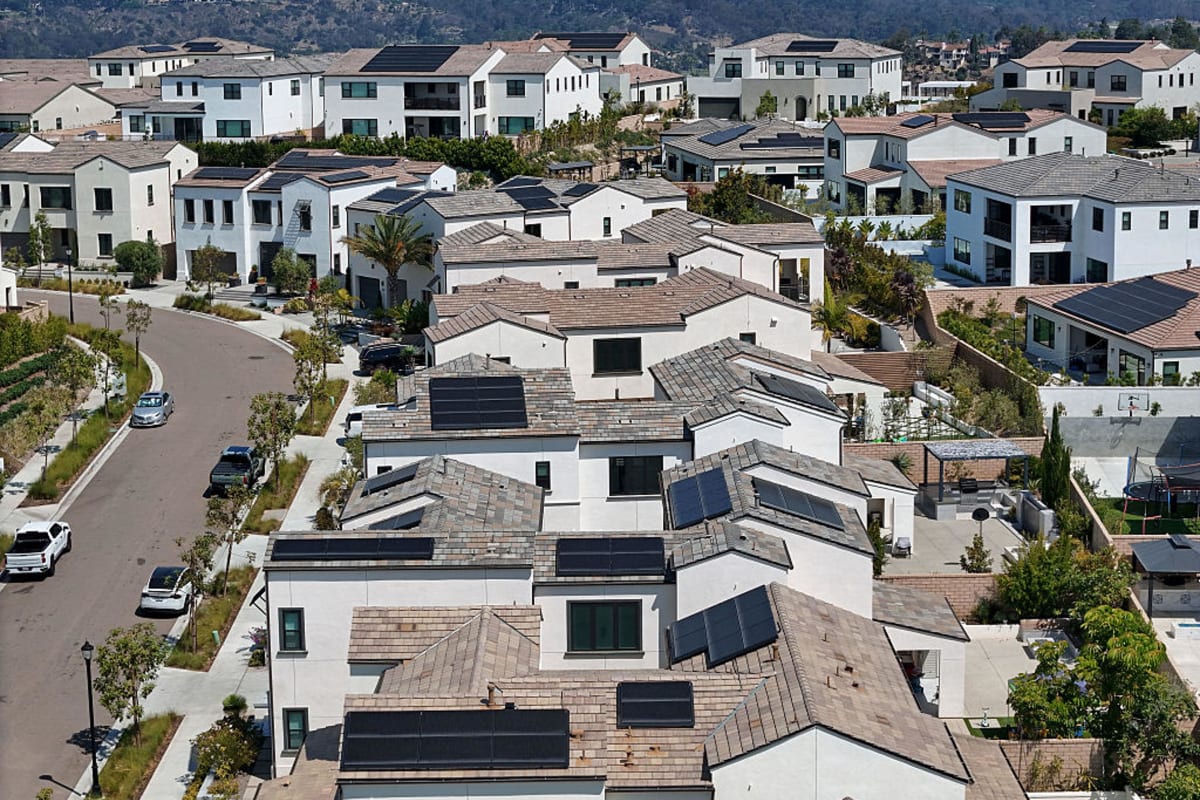
This wave of adoption is reshaping America's energy landscape faster than any policy could. Neighborhoods with solar panels inspire neighbors to follow. Battery storage reduces strain on overtaxed grids during peak demand. Electric vehicles charging on home solar represent true independence from volatile fuel markets.
The movement is building momentum not through persuasion but through necessity. Each family that installs solar strengthens the entire system's resilience. What started as individual acts of self-protection is becoming collective infrastructure renewal.
For five decades, advocates tried changing minds about clean energy, and now crisis is changing circumstances instead.
More Images
Based on reporting by Google News - Clean Energy
This story was written by BrightWire based on verified news reports.
Spread the positivity!
Share this good news with someone who needs it