America's Clean Energy Gets a Second Chance After 40 Years
After leading the world in solar innovation in the 1970s, the U.S. lost decades of progress when funding vanished overnight. Today, that early vision is finally becoming reality as clean energy surges back stronger than ever.
Forty years ago, America was winning the race to power homes with sunshine, and then we walked away from the finish line.
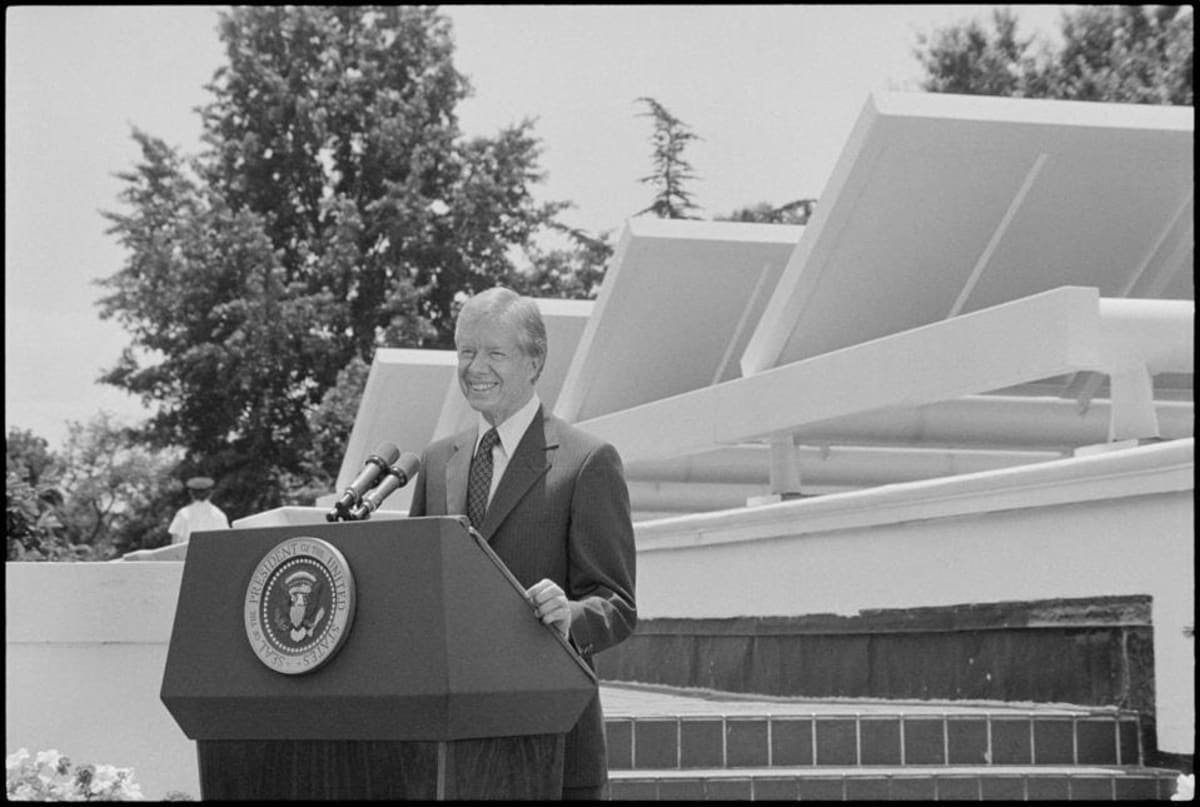
In 1977, graduate student Mike landed a NASA research position working on solar cells, part of a national push that put the U.S. at the forefront of renewable energy. President Carter installed solar panels on the White House roof. Congress poured unprecedented funding into clean energy research. The country that put humans on the moon was ready to revolutionize how we power our lives.
But by 1983, that dream had collapsed. Federal funding for renewables dropped by 60%, then another 50%. The Solar Energy Research Institute lost three quarters of its budget and two thirds of its staff. All four regional solar research centers shut down completely.
The White House solar panels came down. Mike and thousands of researchers like him lost their positions or watched their projects disappear.
Here's what happened next. Japan and Germany bought American solar technology and hired the laid-off researchers. Those countries built the industries the U.S. had invented, turning our breakthrough into their economic success story.
For decades, that seemed like the end. A cautionary tale about abandoned potential and lost generations of innovation.
But something unexpected has been building. The early researchers never stopped believing in what they'd started. Their students trained new students. The technology kept improving in labs that survived. Universities quietly maintained programs even when federal support dried up.
The Bright Side
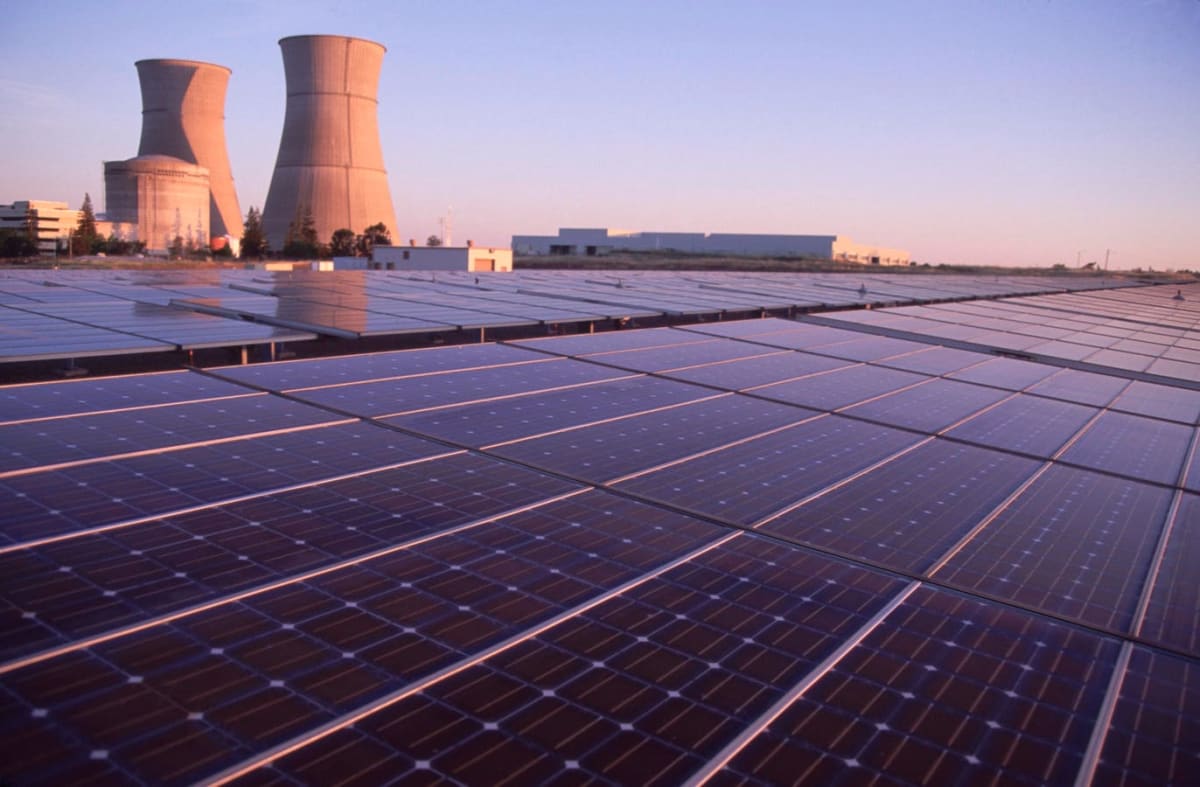
Today, solar energy costs 90% less than it did in those early years. Installation jobs have multiplied across every state. The researchers who were grad students in the 1970s are now senior scientists training a new generation, finally equipped with both the technology and the momentum they'd envisioned four decades ago.
The current clean energy surge isn't starting from scratch. It's built on foundations laid by people like Mike, who spent years developing the science even when nobody was paying attention. Those "lost" decades weren't entirely lost after all.
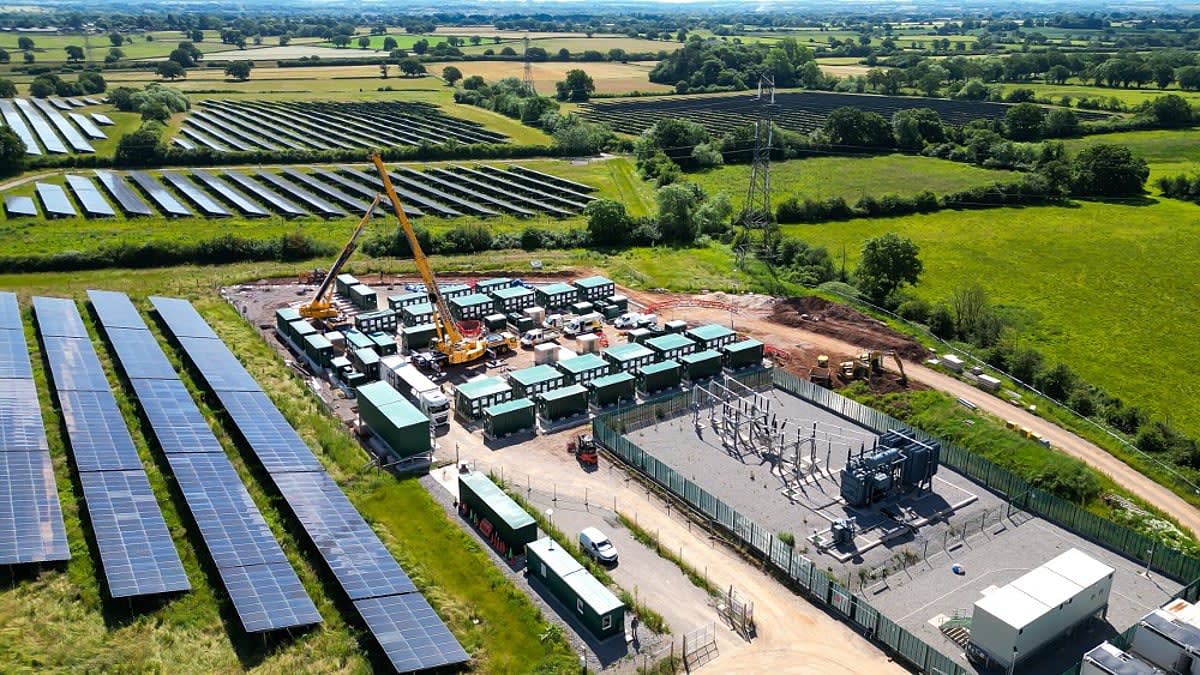
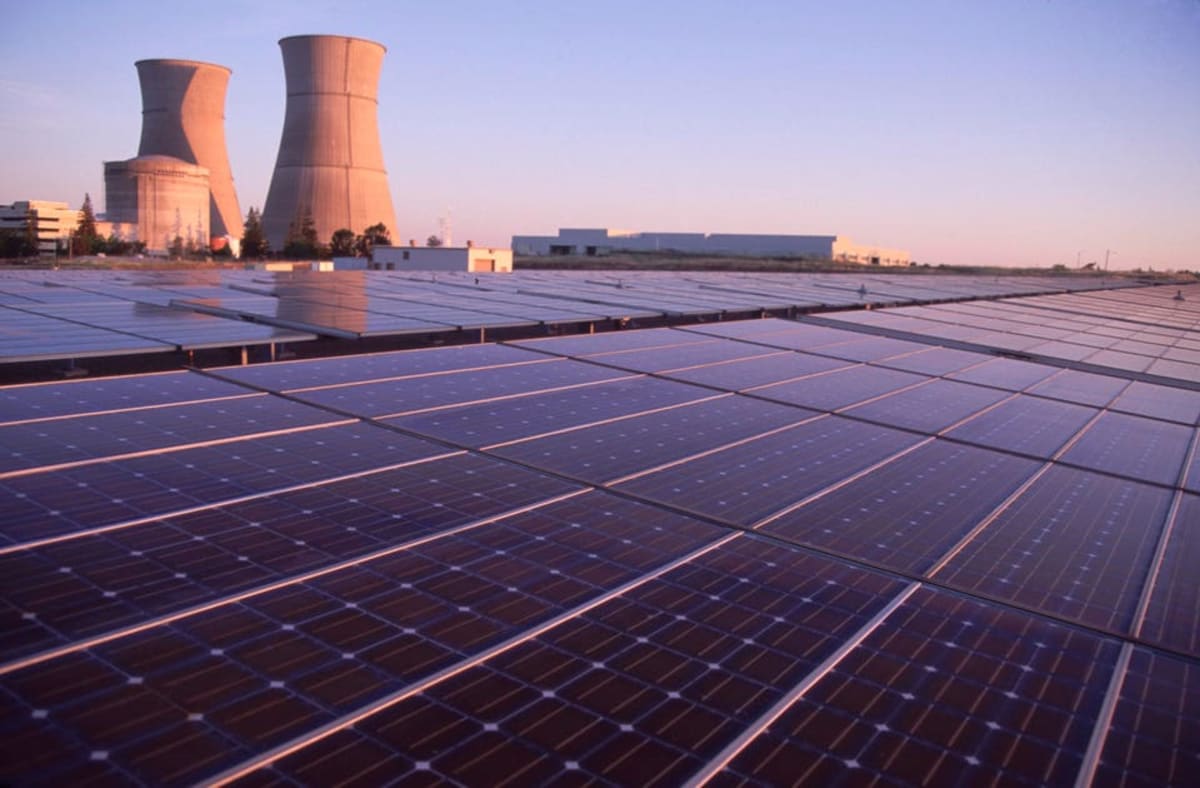
The regional research centers are back, reimagined and expanded. The National Renewable Energy Lab that nearly disappeared now employs thousands. Solar manufacturing is returning to American soil, with companies learning from both past mistakes and international competition.
What makes this moment different isn't just better technology or lower costs. It's that we've learned what happens when we quit on innovation just as it's taking off. We've seen competitors build entire industries from seeds we planted. We understand the cost of stopping and starting instead of steady progress.
The materials science innovations Mike worked on in those NASA funded labs? They became the foundation for modern photovoltaic cells. His research didn't vanish when funding did. It waited, preserved in papers and patents and the minds of scientists who kept working.
Carter's "moral equivalent of war" speech seemed outdated for years, an artifact of 1970s energy anxiety. But the urgency he described about building new energy systems has circled back. This time, though, it's paired with economic momentum, technological maturity, and the memory of what we lost by walking away before.
The solar panels are back on the White House. But more importantly, they're on millions of roofs across America, finally delivering on promises made when Mike was still a grad student dreaming of a renewable revolution within five years.
It took forty years instead of five, but America's clean energy leadership is getting its second chance.
More Images
Based on reporting by Google News - Clean Energy
This story was written by BrightWire based on verified news reports.
Spread the positivity!
Share this good news with someone who needs it