Amsterdam Artist's Museum Invites You to Taste the Earth
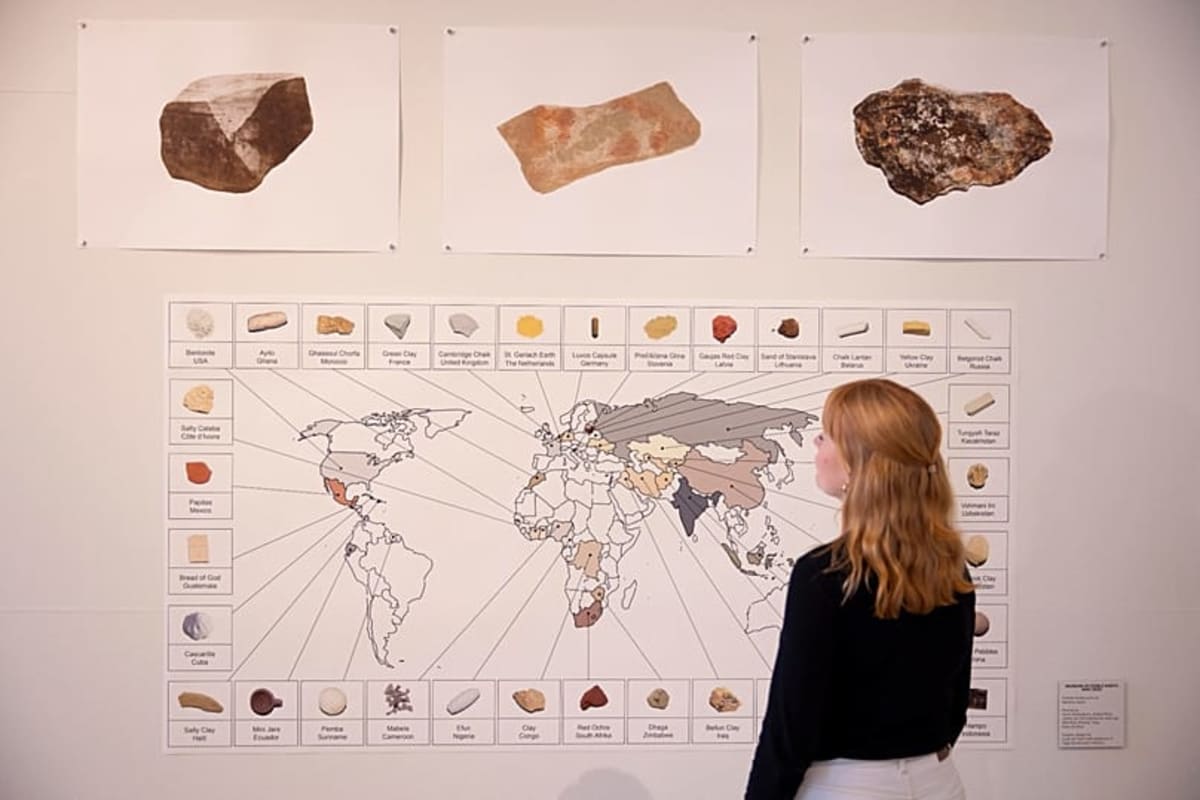
Dr. masharu's Museum of Edible Earth showcases 600 edible soils from 44 countries, challenging what we think we know about dirt. The interactive exhibit at London's Somerset House lets visitors safely sample soil from around the world.
What started as an unusual craving led Amsterdam-based artist Dr. masharu to create something remarkable: a museum dedicated to eating earth.
While working as a photographer, masharu developed geophagia, the practice of consuming clay and soil. Instead of dismissing the urge, they investigated and discovered a hidden world of Facebook groups trading edible clays and Japanese restaurants using soil as ingredients.
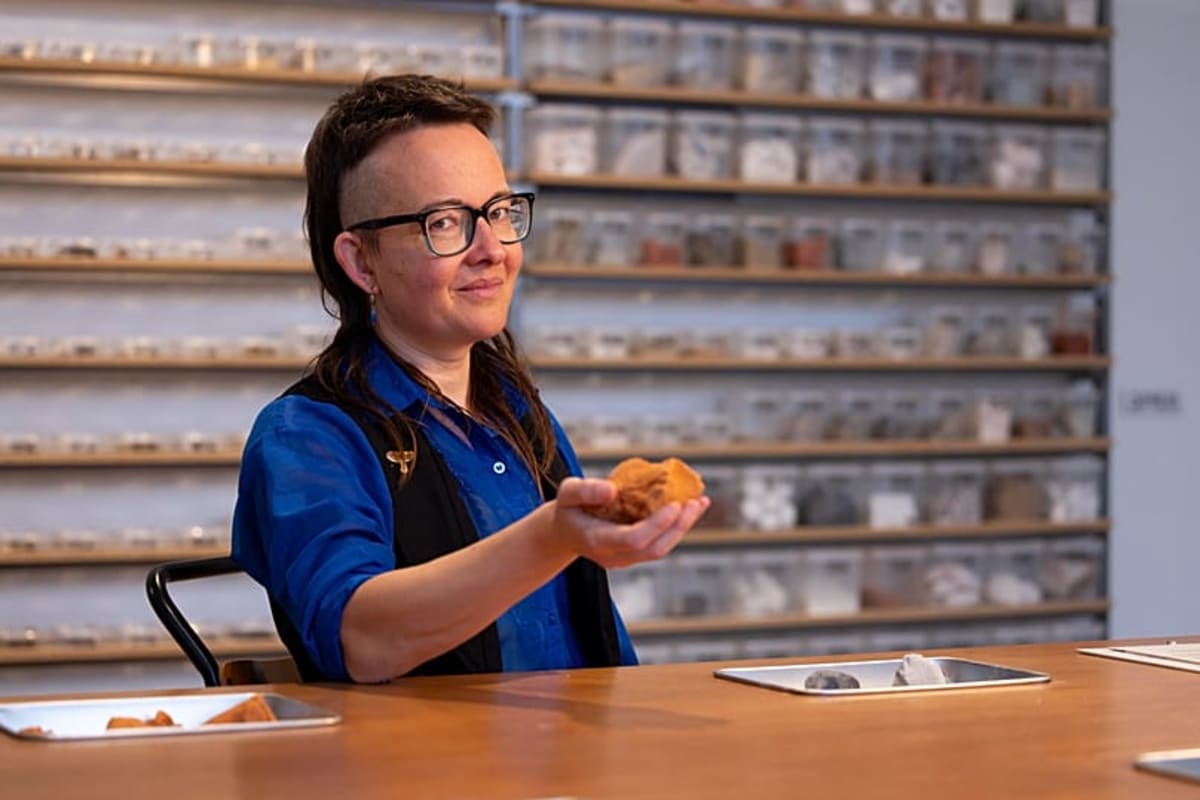
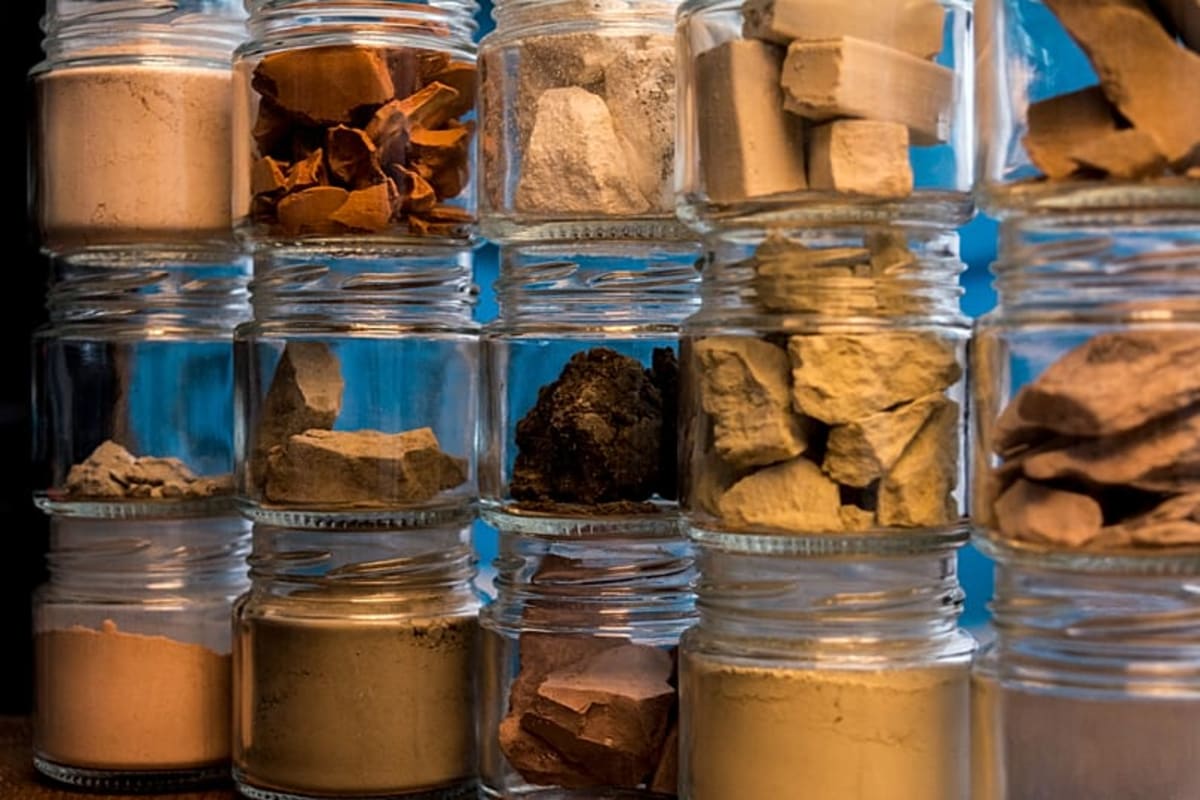
In 2017, masharu founded the Museum of Edible Earth, which now displays over 600 edible soils from 44 countries. The nomadic exhibition currently sits at London's Somerset House through Earth Day, featuring hundreds of tiny jars filled with powdery earth samples from across the globe.
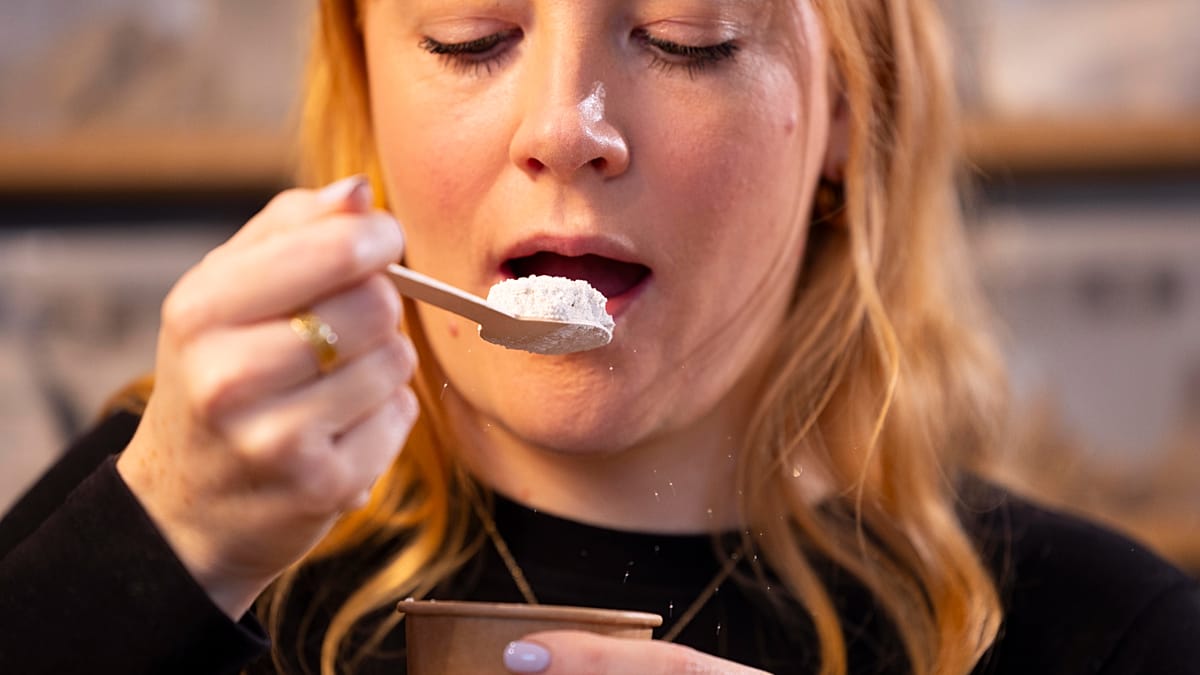
The most striking feature? A communal tasting table where visitors can try a spoonful of dirt themselves. All samples are tested for safety and come with proper disclaimers.
"It's about connection to earth and changing the notion of earth being dirty," masharu told reporters. "People in cities are often not as connected to soil. There's a lot of disconnection between humans and earth."
The practice dates back millions of years. Greek physician Hippocrates documented cravings for non-foods among pregnant women, while Indigenous tribes and African societies viewed earth as medicinal and a symbol of fertility.
The museum features fascinating stories from earth eaters worldwide. One memorable encounter involved a Lithuanian woman who took masharu into the woods, eating handfuls of earth straight from the ground.
Why This Inspires
Masharu's project transforms something most people consider disgusting into an opportunity for curiosity and connection. By inviting people to literally taste the earth, the exhibition breaks down barriers between humans and the natural world.
The interactive approach works. When cocktails mixed with clay were served at one event, guests who felt sick from food poisoning actually reported fewer symptoms than those who drank less clay, according to statistical analysis.
While eating random soil carries serious health risks from bacteria and pollutants, masharu's carefully curated samples offer a safe window into this ancient human practice. The exhibition reveals how something as simple as soil connects to culture, health, and our relationship with the planet.
This Earth Day, hundreds of visitors are discovering that reconnecting with nature might mean getting a little dirt in their mouths.
More Images

Based on reporting by Euronews
This story was written by BrightWire based on verified news reports.
Spread the positivity!
Share this good news with someone who needs it
%2Fhttps%3A%2F%2Ftf-cmsv2-smithsonianmag-media.s3.amazonaws.com%2Ffiler_public%2Fcf%2F4d%2Fcf4d3176-9efd-4c9f-b643-2bc4f16839b6%2Fscripps_oceanography_geoscientist_lisa_tauxe_inserts_samples_i-32fad9c82902379b111b3658ab9c8a35.jpeg)