Japanese Fish Printing Evolves Into Global Art Movement
What started as fishermen documenting their daily catch in 19th century Japan has blossomed into gyotaku, an international fine art form celebrated from Italy to Australia. Artists worldwide now use this ancient fish printing technique to create stunning works while honoring marine life.
A simple way for Japanese fishermen to record their catches has transformed into a beloved art form spreading joy across five continents.
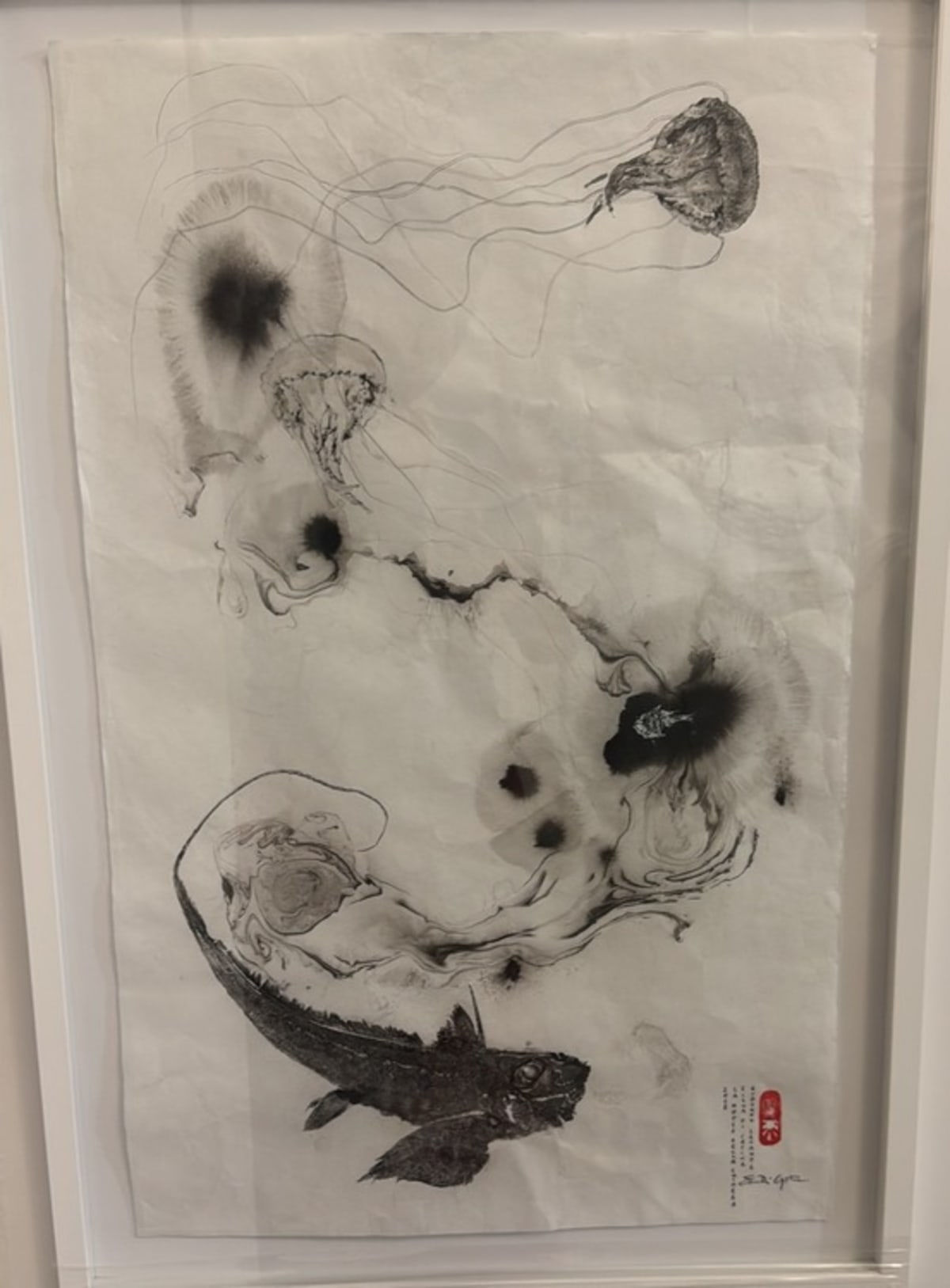
Gyotaku, the practice of pressing inked fish onto paper, began in the 1800s when fishermen needed to document notable catches for sale or record keeping. They would coat their fish with sumi ink and press them onto delicate washi rice paper, creating detailed prints.
True to Japanese culture, fishermen couldn't leave the technique at "good enough." They refined their methods over decades, eventually switching from basic black ink to vibrant colors that captured the iridescent beauty of fish scales.
Today, gyotaku has evolved into a sophisticated art form with distinct schools, techniques, and strict preparation methods. Artists must carefully clean slime from the fish and plug openings to prevent moisture from ruining the delicate rice paper. The entire painting process becomes a race against time, with pigment application needing completion within 30 minutes before the fish's natural moisture degrades the work.
Two main techniques exist: direct printing, where artists paint the fish and press paper directly onto it, and indirect printing, where cloth or paper is secured over the fish with rice paste. Both methods preserve the fish for eating afterward, and both require the eye to be painted in later since pigment won't stick to it.
The Ripple Effect
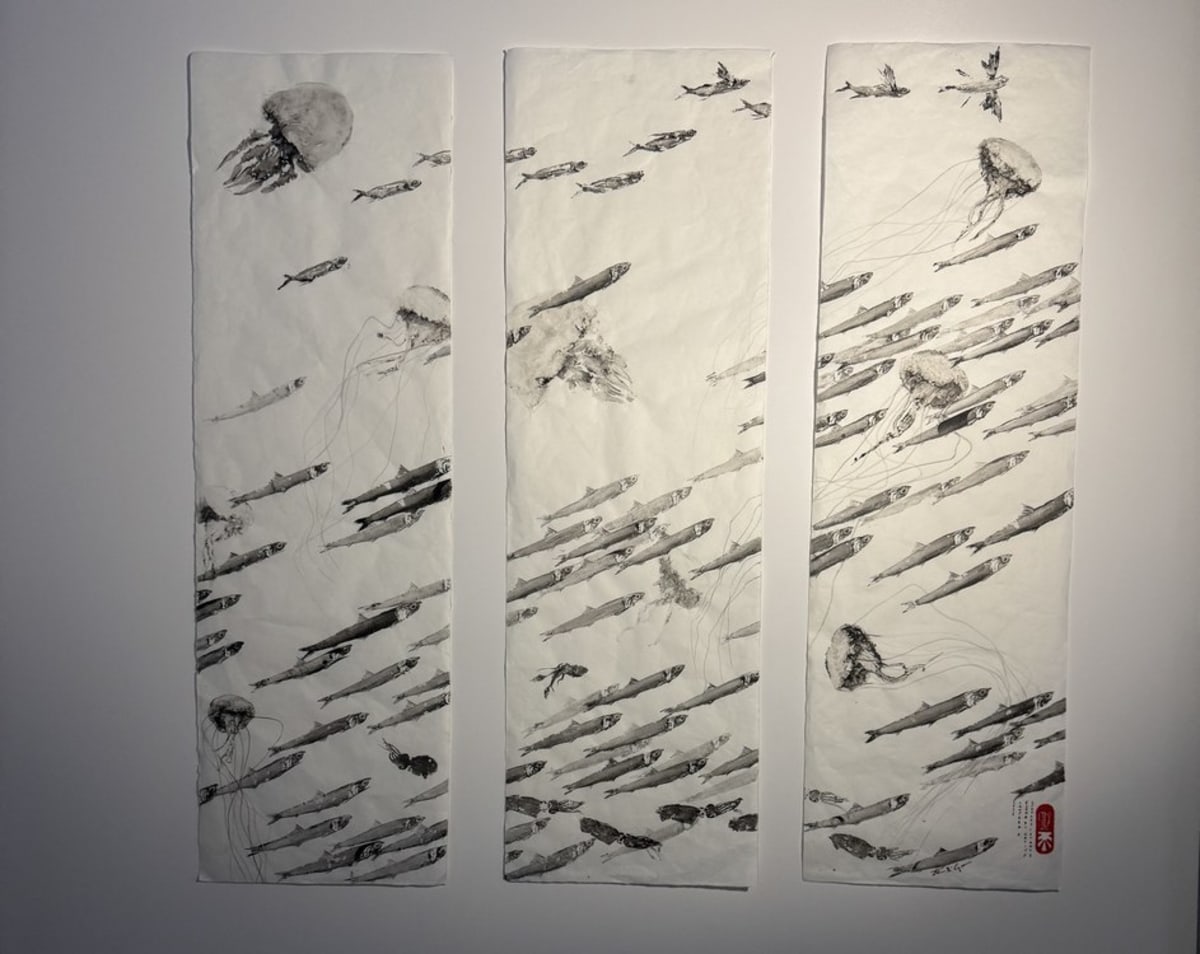
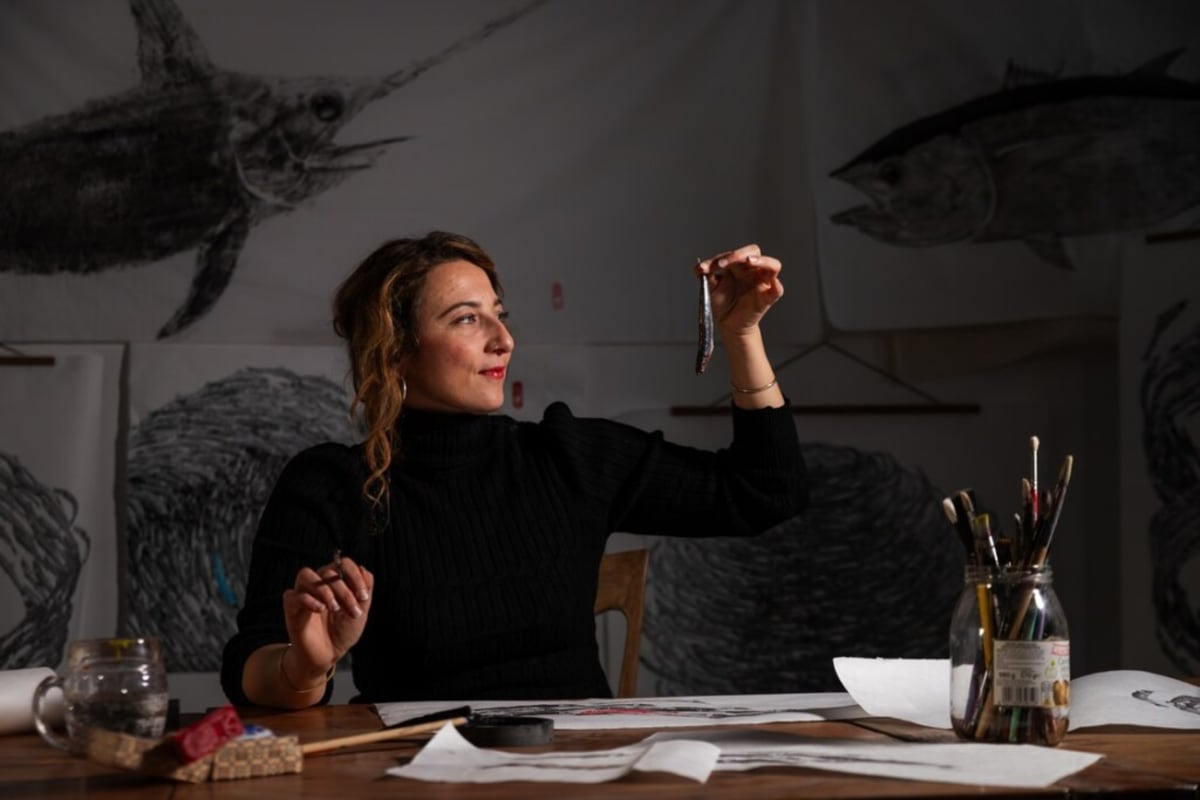
The art form now thrives in Australia, Italy, America, Hawaii, and Brazil. In Italy's coastal Liguria region, Elena Di Capita brought gyotaku to Europe with a meaningful twist. She creates massive, dynamic compositions using bycatch, fish accidentally caught and discarded during commercial fishing.
"My work with them is about giving them dignity," Di Capita explains. "It's a way to celebrate life." Her prints transform fish that died for nothing into stunning tributes, creating what she calls metaphorical geographies that honor their accidental loss.
Back in the United States, aquariums and elementary schools have embraced gyotaku's accessible nature. Children can create beautiful prints with basic materials, connecting them to an ancient tradition while learning about marine life.
From humble documentation to celebrated fine art, gyotaku proves that simple ideas can evolve into something extraordinary when handled with care and respect.
More Images


Based on reporting by Good News Network
This story was written by BrightWire based on verified news reports.
Spread the positivity!
Share this good news with someone who needs it