Amsterdam Bans Fossil Fuel and Meat Ads in Public Spaces
Amsterdam just voted to ban outdoor advertising for fossil fuels and meat products, joining four other Dutch cities leading a quiet climate revolution at the local level. The move transforms public spaces into zones free from high-carbon product promotion.
Amsterdam just became the fifth Dutch city to ban fossil fuel and meat advertisements from its streets, proving that climate action can start with what we see every day.
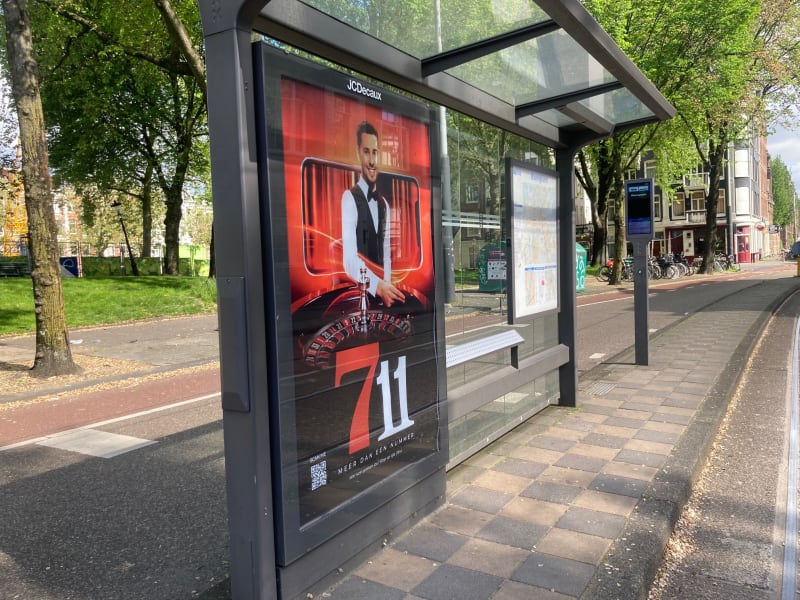
City councillors voted Thursday to update local laws that will remove these ads from billboards and bus shelters starting May 1. The change reshapes the city's visual landscape while sending a clear message about priorities.
The numbers tell an interesting story. Fossil fuel ads currently make up 4.3% of Amsterdam's outdoor advertising, while meat ads account for just 0.1%. That small percentage represents a symbolic shift in how cities can influence consumer culture.
Local shops won't face restrictions. Store owners can still advertise their products on their own premises, keeping the ban focused on large-scale public advertising spaces.
Amsterdam follows an impressive trend. Nijmegen introduced a similar ban last May, while The Hague, Utrecht, and Delft all passed comparable laws in 2024. What started as one city's experiment is becoming a movement.
City public spaces chief Melanie van der Horst acknowledged potential legal challenges ahead. Existing advertising contracts could lead to claims from advertisers, creating a test case for how cities balance commercial interests with environmental goals.
The Ripple Effect
These bans represent something bigger than missing billboards. They show how local governments can use their authority over public spaces to align daily life with climate values, even when national policies move slowly.
Cities across the Netherlands are discovering they don't need to wait for top-down mandates. By controlling what messages dominate shared spaces, they're quietly reshaping the conversation around consumption and sustainability.
The legal questions ahead matter too. How these cities navigate existing contracts while implementing new values could create a playbook for communities worldwide wrestling with similar tensions between commerce and climate action.
Five cities may seem like a small start, but movements often begin with a handful of communities willing to try something different and see what happens next.
Based on reporting by Dutch News
This story was written by BrightWire based on verified news reports.
Spread the positivity!
Share this good news with someone who needs it