Amsterdam Bans Pesticides in All City Parks and Spaces
Amsterdam just became the first Dutch city to go completely pesticide-free, requiring only organic plants in all its public spaces to protect people, bees, and biodiversity. The bold move could inspire other cities to rethink how they grow the flowers and greenery around us.
Amsterdam is leading a green revolution, and this time it's about what's not in the soil.
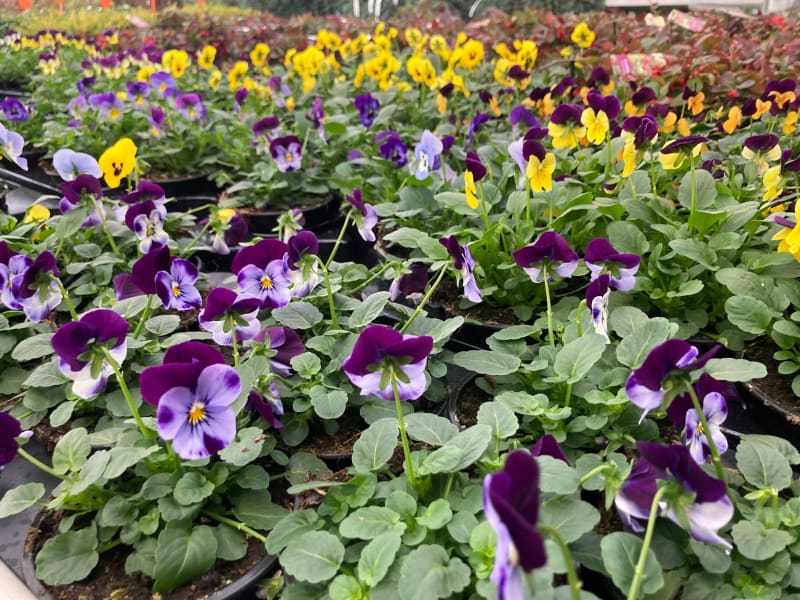
The Dutch capital just announced it will only buy organic, pesticide-free plants for its 70,000 square meters of parks, flower boxes, and public spaces. It's the first city in the Netherlands to make this commitment.
"I am very worried about biodiversity in the city, and the idea that toxins could eventually end up in the ground and on people and animals," said Melanie van der Horst, Amsterdam's head of open space and greenery. When the market wasn't moving fast enough toward safer options, she decided the city would simply stop buying plants grown with pesticides.
The decision comes as scientists and residents raise growing concerns about health risks. Professor Bas Bloem, a neurologist at Radboud University Medical Center, points to 40 years of research linking pesticides to Parkinson's disease, the world's fastest-growing neurodegenerative condition.
In densely populated Netherlands, a million people live within 250 meters of agricultural fields where pesticides are sprayed. Last year, residents in Limburg won a court case preventing a lily grower from planting near their homes after judges found "a real chance of damage" to their health.
The Dutch health institute advises people to keep children and pets indoors, close windows, and take down laundry during pesticide spraying. But parents are left wondering: when is it safe to let kids play outside again?
The Ripple Effect
Amsterdam's decision could transform the Netherlands' massive flower industry, which exports seven billion bulbs worth over €1 billion annually. The Keukenhof, the famous tulip garden that made €14.7 million in profit last year, is already sponsoring research into virus-free, more resistant bulbs that need fewer chemicals.
Other cities are paying attention too. Water boards are testing for banned pesticides in the Bollenstreek bulb growing area, and local councils are questioning whether luxury products like flowers are worth potential health risks.
Hans van Boven from the government's pesticide testing authority admitted there's currently a gap in safety testing. "Regarding the risk of Parkinson's, we don't look at this specifically," he told reporters, though his agency has requested European authorities develop testing frameworks.
The beauty of Amsterdam's approach is simple: cities don't have to wait for national regulations to protect their residents. Local governments can make their own rules about what gets planted in their communities.
Amsterdam is proving that sometimes the greenest choice is the one without chemicals.
Based on reporting by Dutch News
This story was written by BrightWire based on verified news reports.
Spread the positivity!
Share this good news with someone who needs it