Amur Leopards Climbing Back from Near Extinction
One of the world's rarest big cats is defying the odds in Russia's frozen forests. The Amur leopard, once down to just 30 individuals, is showing us that even species on the brink can bounce back.
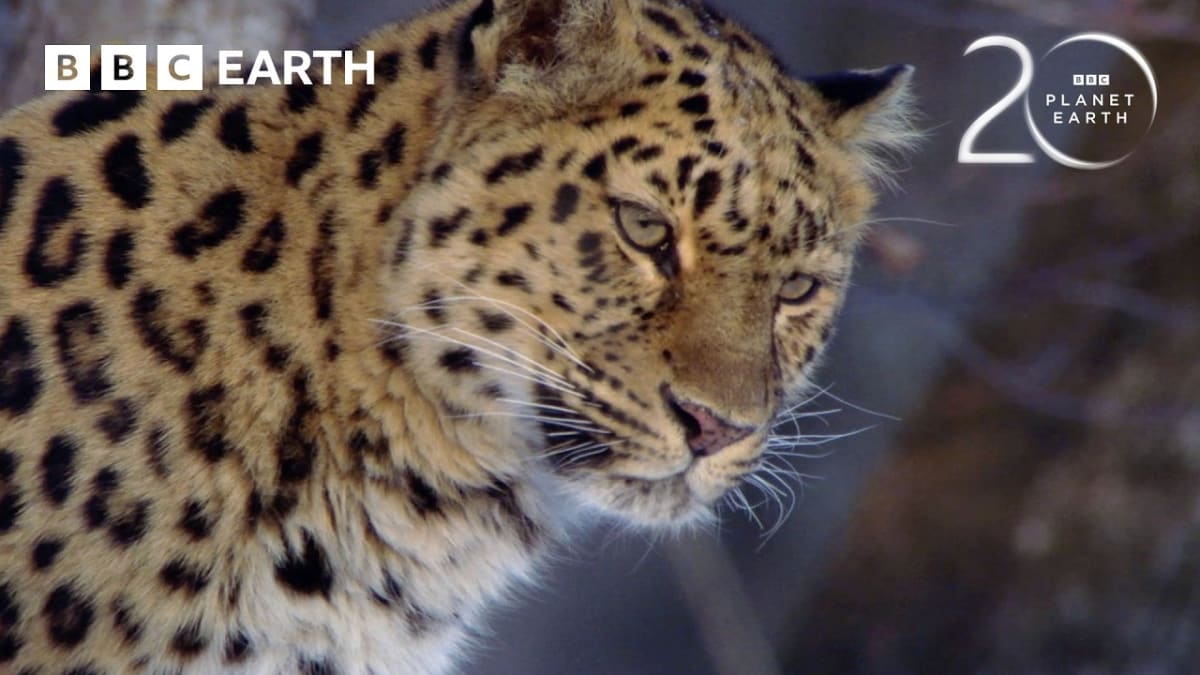
Twenty years ago, fewer than 30 Amur leopards existed on Earth, making them one of the most endangered big cats on the planet. Today, new footage from BBC Earth's Planet Earth anniversary series reveals these stunning predators not just surviving, but adapting to brutal Siberian winters where temperatures plunge far below zero.
These rare leopards face their toughest challenges when winter strips away the forest cover that normally helps them hunt. With nowhere to hide and prey becoming scarce, every hunt becomes a high-stakes game of survival in the snow.
But here's the remarkable part: conservation efforts over the past two decades have helped their numbers climb. Protected forest areas in Russia's Far East now give these leopards the space they need to hunt, breed, and raise their young without human interference.
The footage shows how resourceful these cats have become. Their thick winter coats, longer than those of any other leopard species, keep them warm in conditions that would kill most big cats. They've learned to hunt in open terrain, adapting their strategies when the dense forest cover disappears.
Why This Inspires
The Amur leopard's story proves that targeted conservation can pull species back from the edge. When governments, scientists, and local communities work together to protect habitat and reduce poaching, even the rarest animals can find their footing again.
Scientists now estimate around 100 Amur leopards roam the forests between Russia and China. That's more than triple the population from 20 years ago. Camera traps and satellite tracking help researchers monitor every individual, ensuring threats are caught early.
Local communities in the region have also become champions for the leopards. Anti-poaching patrols, funded partly by ecotourism, now protect the forest corridors these cats need to expand their territory safely.
The BBC's ability to capture these elusive animals on film itself shows progress. Better camera technology and patient field teams spent months in brutal conditions to document how these leopards thrive where few other predators could.
Every Amur leopard kitten born today carries the hope that extinction doesn't have to be inevitable.
Based on reporting by BBC Earth
This story was written by BrightWire based on verified news reports.
Spread the positivity!
Share this good news with someone who needs it