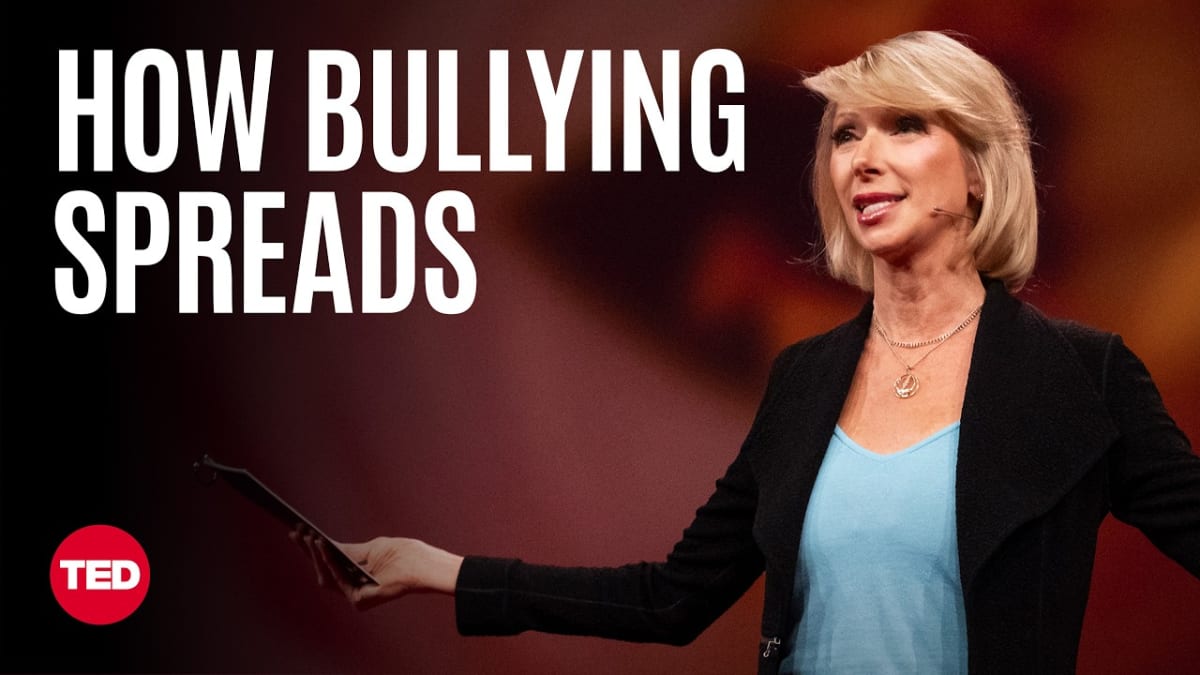
Amy Cuddy Shows How Social Bravery Stops Bullying
Social psychologist Amy Cuddy turned her own experience as a bullying target into groundbreaking research on how everyday courage can stop cruelty from spreading. Her new TED Talk reveals simple acts anyone can use to protect others.
When someone becomes the target of coordinated bullying, most people freeze or look away. Social psychologist Amy Cuddy is giving us a better path forward.
Cuddy, famous for her viral TED Talk on body language, found herself at the center of a campaign to discredit her work. Instead of retreating, she studied what happened and emerged with powerful insights about how bullying takes hold and how we can stop it.
Her new TED Talk breaks down the psychology behind why cruelty spreads so easily. When someone is attacked, bystanders often stay silent out of fear they'll become the next target. That silence creates a permission structure where bullying escalates unchecked.
But Cuddy discovered something hopeful in her research. Small acts of standing up for others create powerful ripples that disrupt the cycle entirely.
She calls these moments "social bravery." These aren't grand gestures or public confrontations. They're everyday choices like sending a private message of support, refusing to share cruel content, or simply saying "that's not okay" when someone makes a mean comment.
The Ripple Effect
When one person shows social bravery, others feel safer doing the same. Cuddy's research shows that bullying campaigns lose their power when even a handful of people refuse to participate or actively support the target.
The science backs this up. Studies reveal that bullying thrives in environments where silence is the norm, but quickly fades when communities establish cultures of speaking up. One brave voice often gives others permission to find their own.
Cuddy argues that we've normalized looking away, mistaking silence for safety. But staying quiet doesn't protect us. It only strengthens the systems that allow cruelty to flourish.
The good news is that change doesn't require everyone to be heroes. Research shows that when just 10 to 15 percent of a group practices social bravery, it shifts the entire culture. Small actions from ordinary people create extraordinary protection.
Cuddy's talk offers practical strategies anyone can use, from checking in on someone who's being targeted to refusing to amplify harmful content. She emphasizes that these acts don't require confrontation. Sometimes the bravest thing is simply being kind when cruelty is expected.
Her message arrives at a crucial moment when online bullying has reshaped how we interact. But her research proves we're not powerless against it.
Social bravery is contagious, and it starts with one person deciding that silence isn't neutrality.
Based on reporting by TED
This story was written by BrightWire based on verified news reports.
Spread the positivity!
Share this good news with someone who needs it