Ancient Aboriginal Language Revived After Generations
A South Australian Aboriginal community is bringing the Ngaiawang language back to life after it nearly disappeared following colonization. Using 180-year-old word lists and community knowledge, they've compiled 800 words and are creating a picture book to teach future generations.
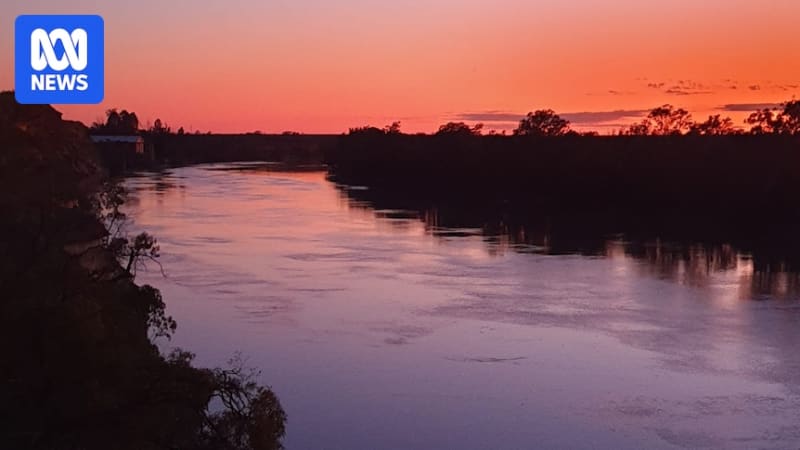
For the first time in generations, the Ngaiawang language is being spoken again along the banks of South Australia's River Murray.
The language, once common around the area now known as Morgan, went silent after colonization displaced Aboriginal people from their land. While some elders continued using words with family members, the language became largely unknown to younger generations.
Now, the River Murray Mallee Aboriginal Corporation is partnering with linguists from the Mobile Language Team to wake this sleeping language. They've compiled about 800 Ngaiawang words using seven historical word lists recorded by explorers in the 1840s.
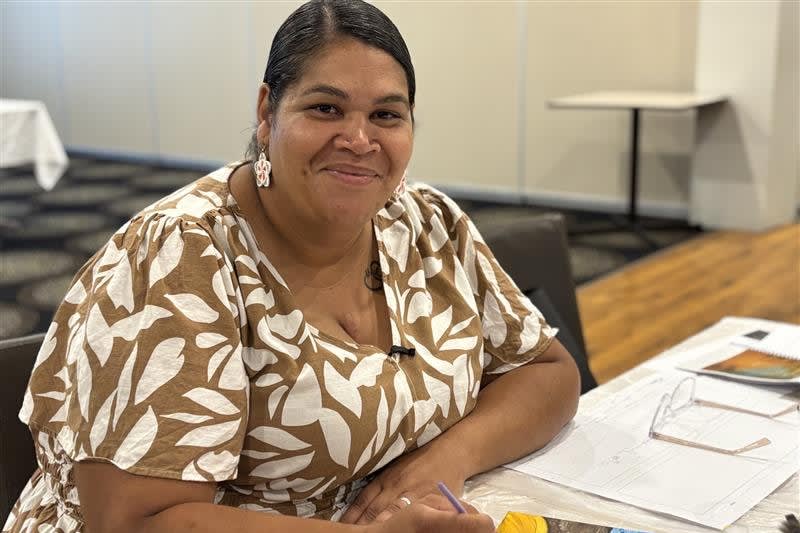
Andrea Giles, a community member helping revive the language, recognized words from her childhood as she studied the archives. "Some of the words are similar to the ones the old people would have said," she said, including phrases she and her cousins still use today.
The team faced an interesting challenge: the same words had different spellings across various historical sources. Explorer Edward John Eyre even recorded the language's name as "Aiawong" in 1845 after missing the initial "ng" sound, which should be pronounced NIGH-uh-wong.
This gave the community a chance to create their own standard spelling system. Project linguist Phoebe Leggett said they're developing an easy way to write each word so people can pronounce it confidently without dealing with seven different spellings.
Why This Inspires
For Giles, teaching the language to her children restores part of their Aboriginal identity that colonization tried to erase. "Before, these things weren't allowed to be done," she said, explaining why passing this knowledge to younger generations matters so much.
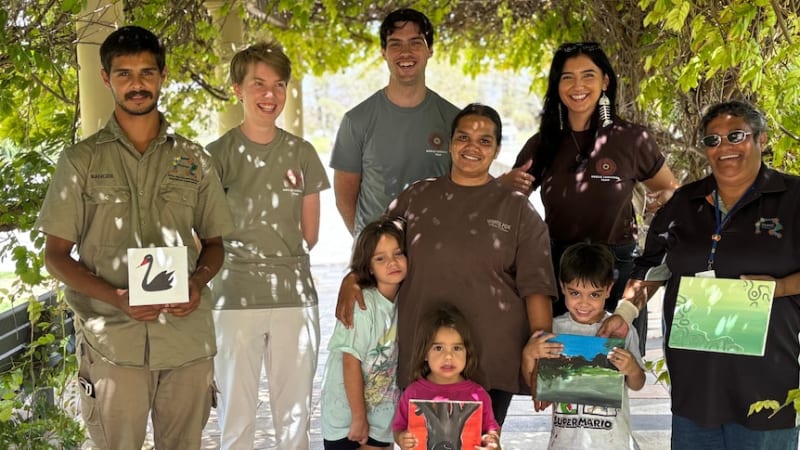
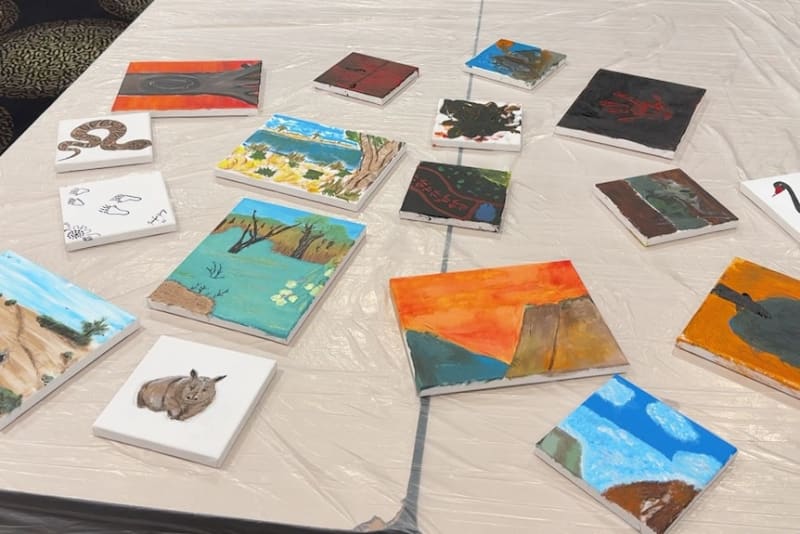
The community is now creating a picture book featuring Ngaiawang animal names alongside their own artwork. Ngarrindjeri man Nicolas Sumner painted a black swan for the book, connecting his cultural totem to this language revival project.
The project received federal funding and represents a growing movement across South Australia. Similar language revival efforts are happening in other communities, with each group developing resources that fit their needs.
The real goal goes beyond a single book. Leggett hopes communities will gain skills to create their own language projects in whatever form speaks to them, keeping these ancient voices alive for generations to come.
More Images

Based on reporting by ABC Australia
This story was written by BrightWire based on verified news reports.
Spread the positivity!
Share this good news with someone who needs it