Friesland Schools to Teach 500-Year-Old Language Daily
Every student in Friesland will soon learn and speak Frisian in school, saving a language that was predicted to disappear. The unanimous vote marks a historic win for the Netherlands' second official language.
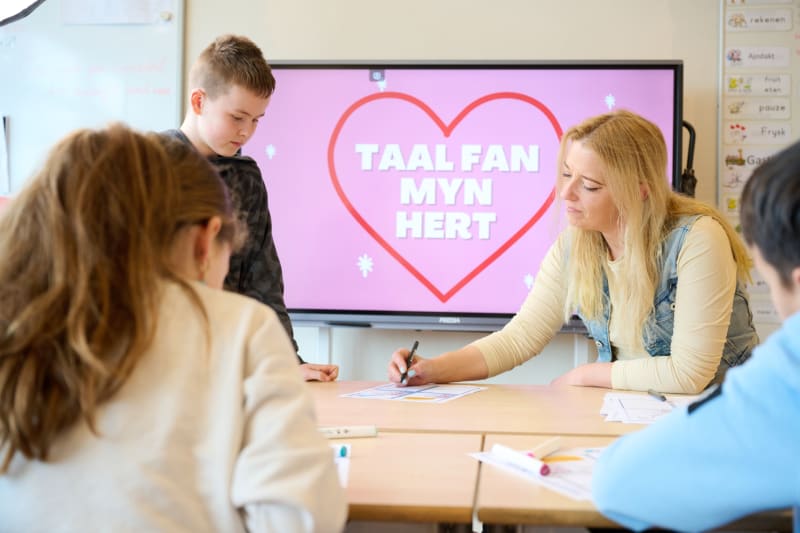
A language spoken for centuries is getting a lifeline in the Dutch province of Friesland, where schools will soon require every student to actively use Frisian in their daily lessons.
Starting in August, primary and secondary schools across Friesland will teach students to speak and write in Frisian as part of their core curriculum. The provincial council passed the measure unanimously, giving schools until 2031 to fully implement the new requirements.
The change comes at a critical moment for the language. A 2016 report warned that Frisian could vanish entirely within generations, with only 30% of children speaking it at home and just 22% using it outside their homes.
Friesland is the only Dutch province with the power to set its own educational standards. The other 11 provinces follow guidelines from The Hague, but Friesland has a special exemption to protect its linguistic heritage.
Frisian holds official status as the Netherlands' second national language. About 450,000 people speak it today, making it one of Europe's smaller but historically significant minority languages.
The language gained international visibility in 2017 when Dutch MEP Jan Huitema addressed the European Parliament in Frisian during a session celebrating Europe's minority languages. It marked the first time Frisian echoed through the halls of EU power in Brussels.
The Ripple Effect
This policy does more than preserve old words and grammar rules. It connects young people to their cultural roots while proving that small communities can protect what makes them unique.
Schools have five years to adapt their programs, giving teachers time to develop materials and train staff. The gradual rollout ensures quality education without rushing the transition.
When children learn the language their grandparents spoke, they don't just gain vocabulary—they inherit stories, songs, and a sense of belonging that money can't buy.
Based on reporting by Dutch News
This story was written by BrightWire based on verified news reports.
Spread the positivity!
Share this good news with someone who needs it
%2Fhttps%3A%2F%2Ftf-cmsv2-smithsonianmag-media.s3.amazonaws.com%2Ffiler_public%2F15%2F3b%2F153b5427-10f9-4ad6-b039-8823a36efc6f%2Fhd100065orig.jpg)