Pompeii Opens New Villa With Vivid 2,000-Year-Old Frescoes
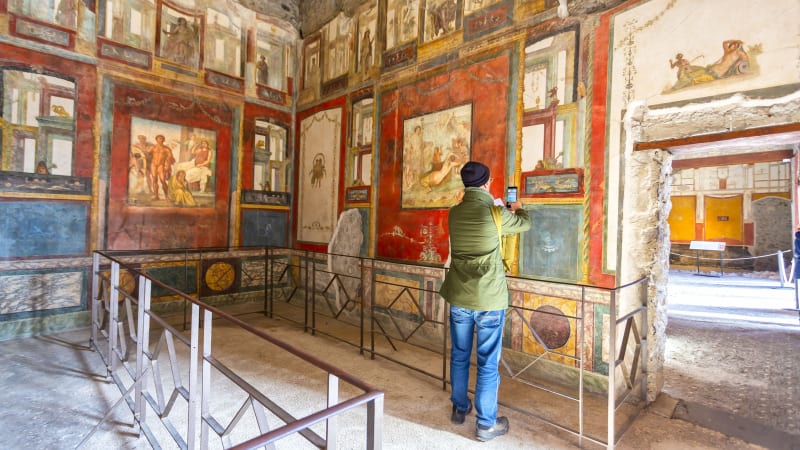
Archaeologists just uncovered stunning red frescoes at a Roman emperor's villa near Pompeii, and visitors can now tour the active dig site. The vibrant paintings, including a peacock preserved for nearly 2,000 years, reveal secrets about ancient Roman life.
Imagine seeing artwork so vibrant it looks freshly painted, then learning it survived a volcanic eruption nearly 2,000 years ago. That's exactly what archaeologists just discovered at Villa Poppea, a luxurious Roman estate near Pompeii.
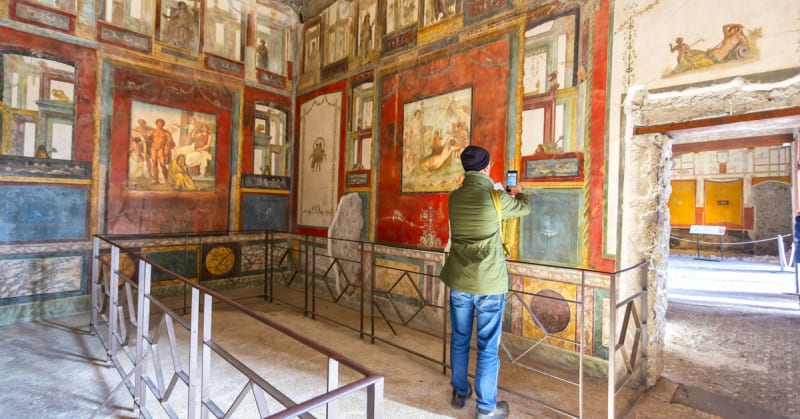
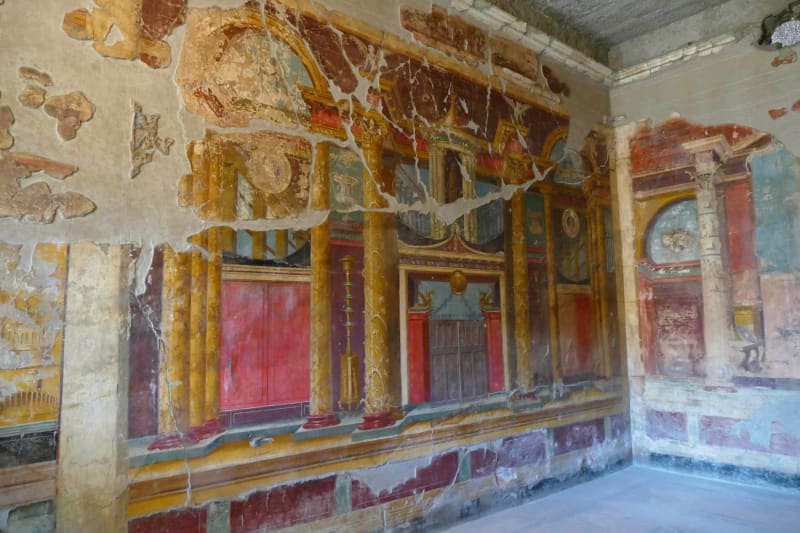
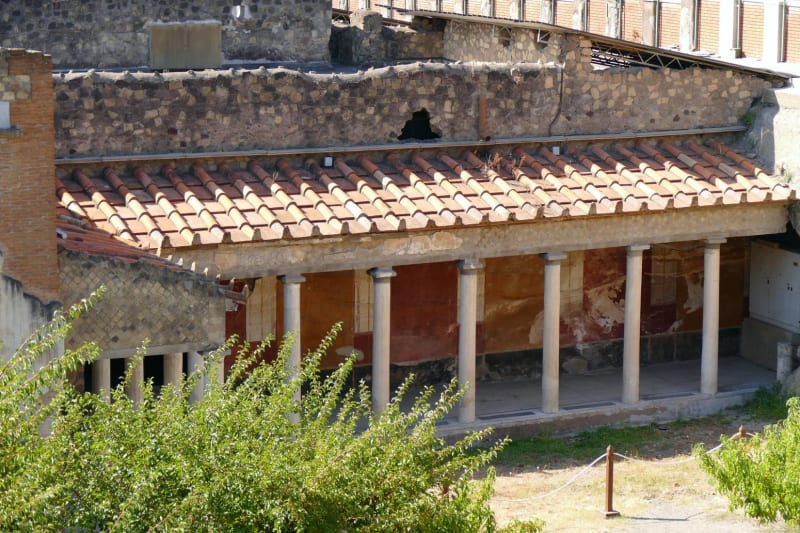
The team unearthed a large red fresco featuring a peacock, along with theatrical masks and newly discovered rooms at the villa believed to have belonged to Poppea Sabina, Emperor Nero's second wife. Like Pompeii, the villa was buried when Mount Vesuvius erupted in 79 CE, preserving everything underneath layers of volcanic ash.
The best part? The site opened to the public on February 12, and visitors can now watch archaeologists work in real time. Every Thursday morning, small groups can take 15-minute tours of the active excavation site with a standard villa ticket.
"Each excavation is a surprise," said Arianna Spinosa, the archaeological site's director. The vivid colors shocked researchers, who used advanced technology to understand how the paintings stayed so bright.
Scientists from MIT and Italian universities analyzed the pigments using X-ray fluorescence. They found cinabra red, known for fading over time, and traces of Egyptian blue, the world's oldest synthetic pigment created in Egypt 5,000 years ago. The fact that these colors survived the eruption's extreme heat makes the discovery even more remarkable.
Why This Inspires
This discovery reminds us that beauty can endure against impossible odds. These paintings survived catastrophic destruction, centuries of burial, and the passage of millennia, yet they still glow with life and color today.
The Villa Poppea frescoes join other recent Pompeii discoveries that keep rewriting what we know about ancient Roman culture. Last year, archaeologists found massive paintings depicting secret religious rituals inside Pompeii itself, showing initiation ceremonies for the mystery cult of Dionysus.
By opening excavation sites to visitors, archaeologists are sharing the thrill of discovery with everyone. You don't need a degree to witness history being uncovered. You just need a ticket and curiosity about the people who walked these halls two thousand years ago.
Each brushstroke on those ancient walls tells a story about human creativity, and those stories are finally seeing daylight again.
More Images

Based on reporting by Google: archaeological discovery
This story was written by BrightWire based on verified news reports.
Spread the positivity!
Share this good news with someone who needs it
%2Fhttps%3A%2F%2Ftf-cmsv2-smithsonianmag-media.s3.amazonaws.com%2Ffiler_public%2F81%2Fdd%2F81ddd40e-6ceb-4c0a-8b50-8faad9e7912c%2F3fgt4pc.jpg)
%2Fhttps%3A%2F%2Ftf-cmsv2-smithsonianmag-media.s3.amazonaws.com%2Ffiler_public%2Fcb%2Ff0%2Fcbf09863-7b51-4a6e-9146-18afe0ba8b81%2Ftomb2.png)