Ancient Australian Millet Shows 3,000 Years of Cultivation
Scientists discovered that channel millet in outback Australia carries genetic traits suggesting Aboriginal people shaped the plant through thousands of years of careful harvesting and management. The finding offers new evidence of sophisticated Indigenous agricultural practices.
A native Australian grass may hold genetic proof of one of the world's oldest ongoing food systems, shaped by Aboriginal hands over at least 3,000 years.
Scientists studying channel millet in southwest Queensland's Channel Country have found something remarkable in the plant's DNA. The tall grass contains 12 copies of each chromosome, compared to the two copies found in most plants and humans.
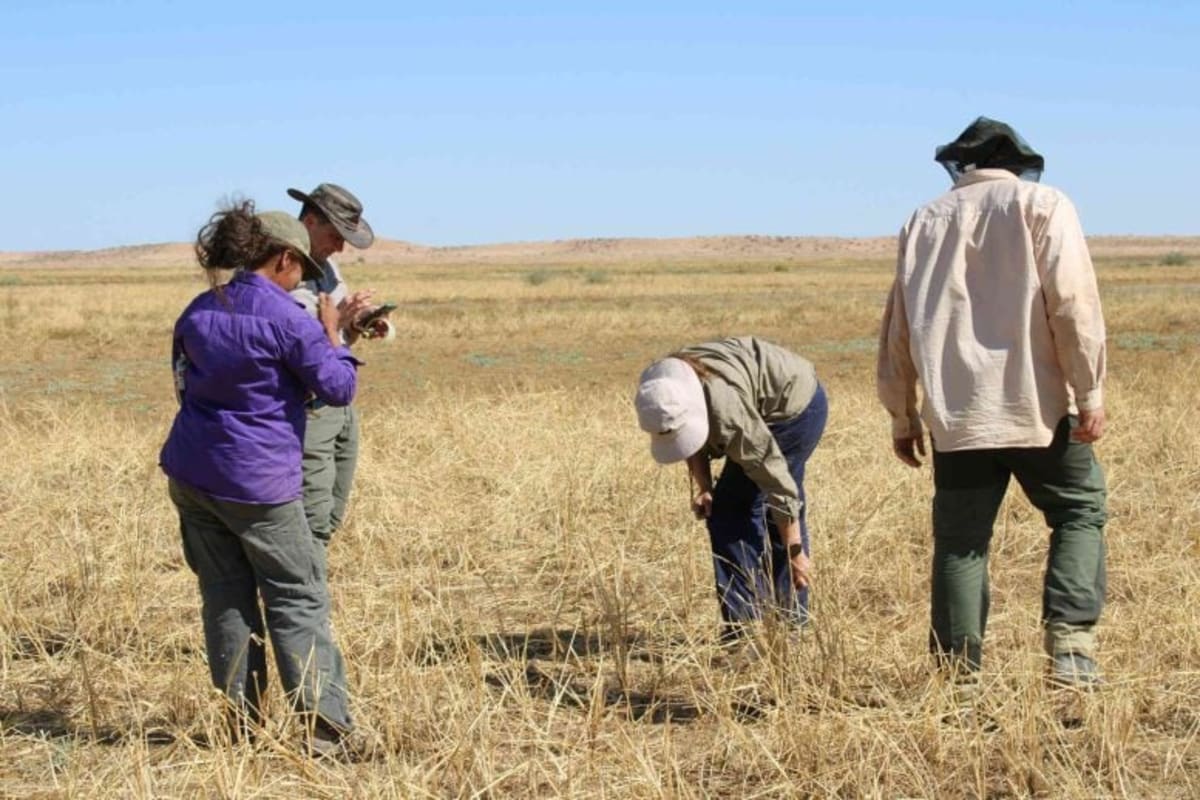
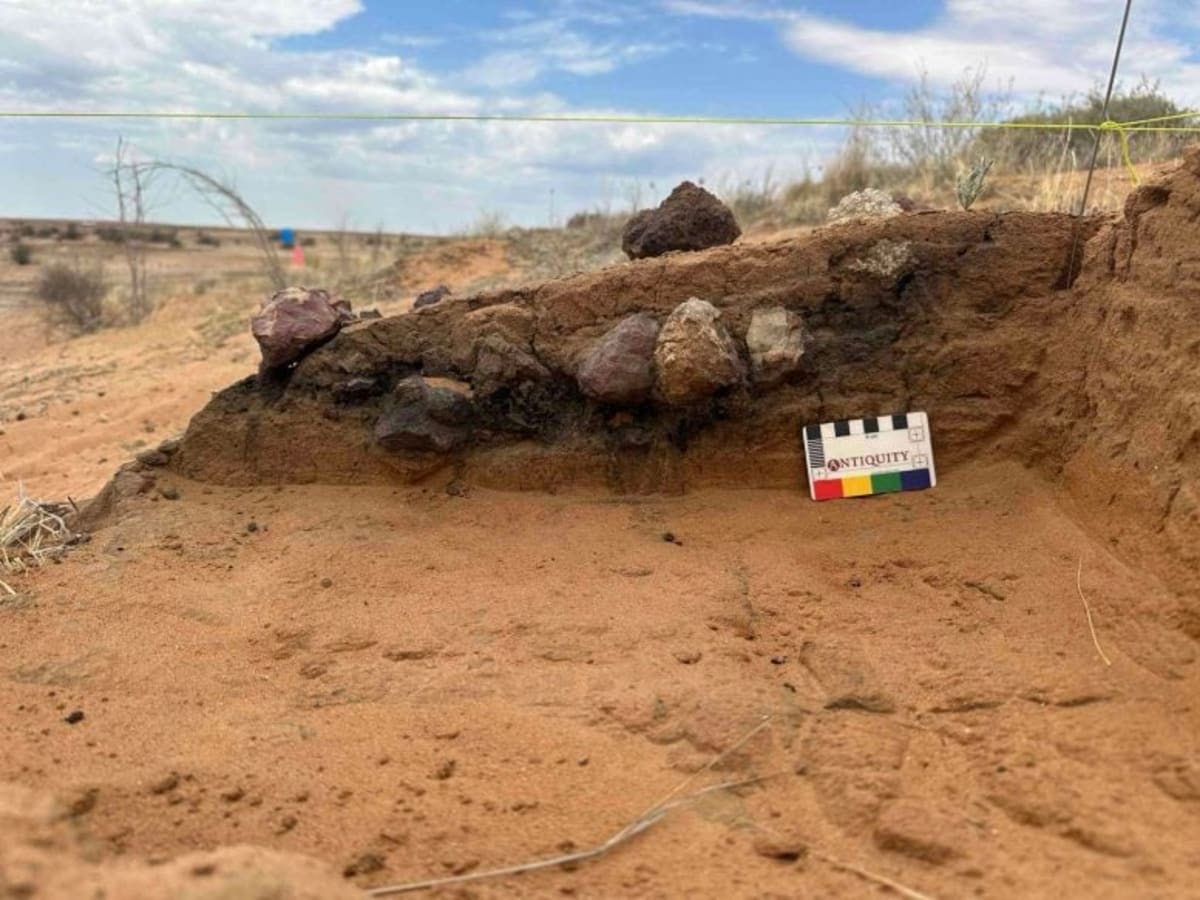
The Mithaka people have called this vast outback region home for millennia. Their ancestors developed sophisticated plant knowledge, using at least 200 different species for food, medicine, and ceremonies.
Channel millet was a cornerstone of their diet. Early explorer Augustus Gregory described discovering "fields of 1,000 acres of millet" along Cooper Creek in 1884, watching people harvest the tall grass stalks.
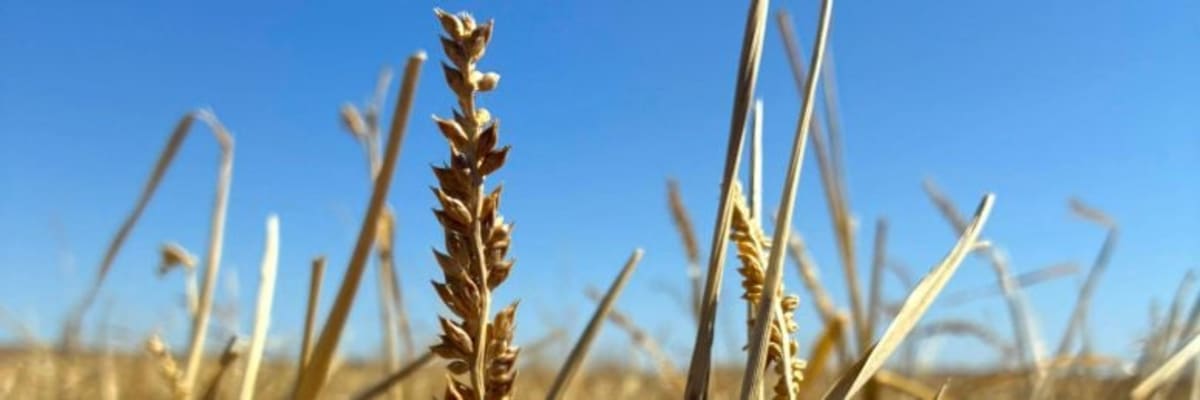
The new genetic study, published in Nature Communications, reveals that this millet shares key traits with domesticated crops like wheat and rice. The plant produces large seeds that stay attached to the stalk instead of scattering, making harvest efficient and productive.
These traits don't appear by accident in nature. Human selection likely played a role over thousands of years of harvesting, storing, and replanting seeds.
The genetic complexity may also explain the plant's remarkable resilience. Channel Country swings between extreme drought and flooding, yet the millet survives as underground seeds that burst into life when water returns.
Why This Inspires
This discovery challenges outdated assumptions about Indigenous Australian societies. The Mithaka people didn't just gather wild plants; they actively managed and shaped their food sources with deep ecological knowledge.
Hundreds of grinding stone quarries dot the landscape, evidence of extensive seed processing operations. This interconnected network of sites recently earned recognition on Australia's National Heritage List.
The research demonstrates how genomics can reveal hidden histories. Similar studies have shown Aboriginal people in New South Wales deliberately spread black bean trees, a valuable food source, across regions.
The Mithaka people's agricultural legacy lives on in the genes of the plants they tended, a testament to human ingenuity thriving in one of Earth's harshest environments.
More Images

Based on reporting by Google News - Scientists Discover
This story was written by BrightWire based on verified news reports.
Spread the positivity!
Share this good news with someone who needs it