Ancient Capybara Tooth Reveals Chile Desert Was Once Lush
Scientists discovered a fossil capybara tooth in Chile's Atacama Desert, one of Earth's driest places, proving the landscape was once wet enough to support water-loving animals. The 8.8-million-year-old tooth shows how dramatically our planet's landscapes can transform over time.
A single tooth is rewriting the history of one of Earth's driest places.
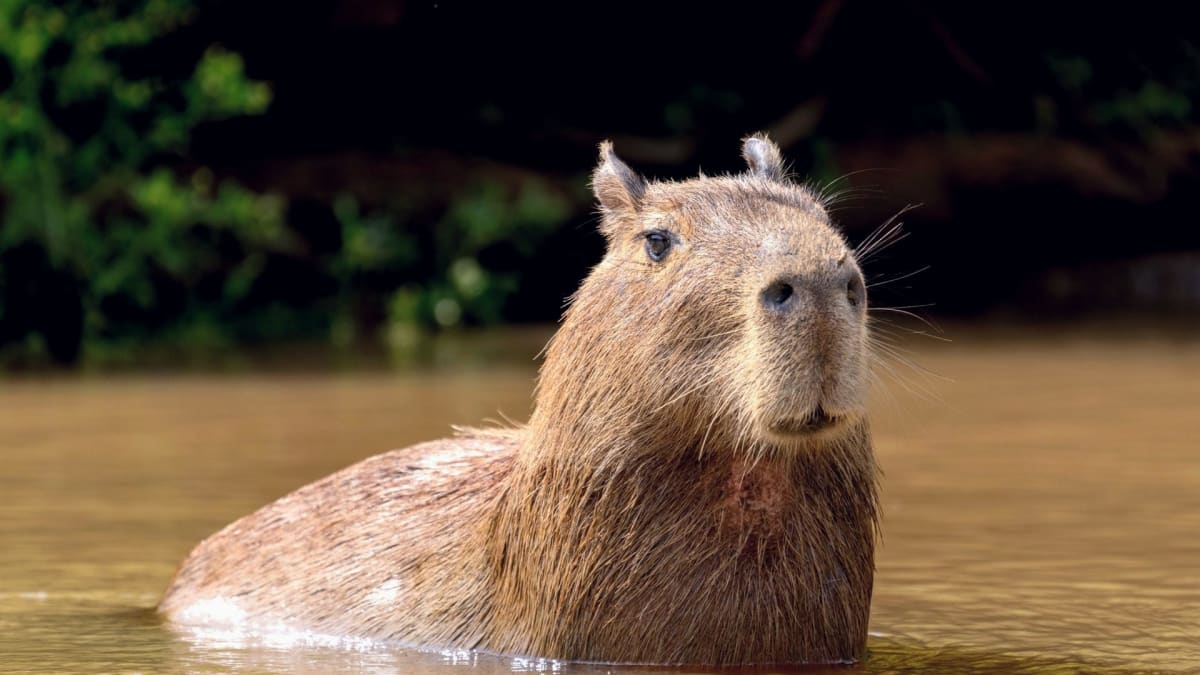
Scientists found a fossil capybara tooth in Chile's Atacama Desert, proving that 8.8 million years ago, this bone-dry landscape had rivers, wetlands, and possibly palm trees. Today, capybaras wouldn't survive there for a day.
"Finding a capybara tooth in a marine deposit in what today is one of the driest regions on Earth is just freakish," said Priscilla Martinez, a doctoral student at the University of Arizona. Modern capybaras need constant access to water and live mainly east of the Andes mountains, far from Chile's Pacific coast.
The fossil belonged to Cardiatherium, an extinct capybara relative. Researchers dated the surrounding rock layers and determined the tooth was buried in shallow coastal sand with minimal wear, meaning the animal actually lived near that spot rather than being swept there from far away.
That discovery created a puzzle. The Andes mountains were already a major barrier when this capybara lived, and the high plateau is extremely dry. How could short-legged, water-dependent rodents cross such harsh terrain?
The team believes ancient capybaras took a northern route through lower, wetter areas before spreading south along connected wet habitats. Other fossils from the same region support this wetter past, including freshwater fish and crocodile relatives.
The Bright Side
Plant remains tell an even more surprising story. Researchers analyzed phytoliths, tiny mineral structures left by plants, and found evidence of palms and subtropical vegetation where today almost nothing grows.
"Think sunny Southern California full of palm trees," Martinez said. "You don't really expect the Atacama Desert to have palms, but they were definitely there."
The fossil came from the Museo Paleontológico de Caldera, donated years ago by a local merchant named Rodrigo Mauna. Many fossils from that site were lost over time, making this preserved tooth especially valuable.
The researchers aren't claiming the entire Atacama was a rainforest. Instead, they suggest river corridors, coastal wetlands, or oasis-like patches provided enough habitat for capybaras even if drier areas existed nearby.
"Finding this capybara, which everyone can agree is not a desert animal by any means, at that location is going to challenge many of the ideas about the Atacama's history," said Professor Mark Clementz from the University of Wyoming.
The discovery reminds us that landscapes we think of as permanent are actually snapshots in geological time, constantly shifting in ways that could teach us about our changing climate today.
Based on reporting by Google: fossil discovery
This story was written by BrightWire based on verified news reports.
Spread the positivity!
Share this good news with someone who needs it