Ancient Chinese Surgeons Used Anesthesia 600 Years Ago
Researchers discovered chemical traces of anesthetics on 15th-century Chinese surgical tools, proving doctors were managing pain during operations centuries before modern medicine. This finding rewrites our understanding of medical history and shows innovation in healing spans cultures and eras.
Scientists just confirmed that Chinese surgeons were easing their patients' pain more than 600 years ago, long before anesthesia became standard in Western medicine.
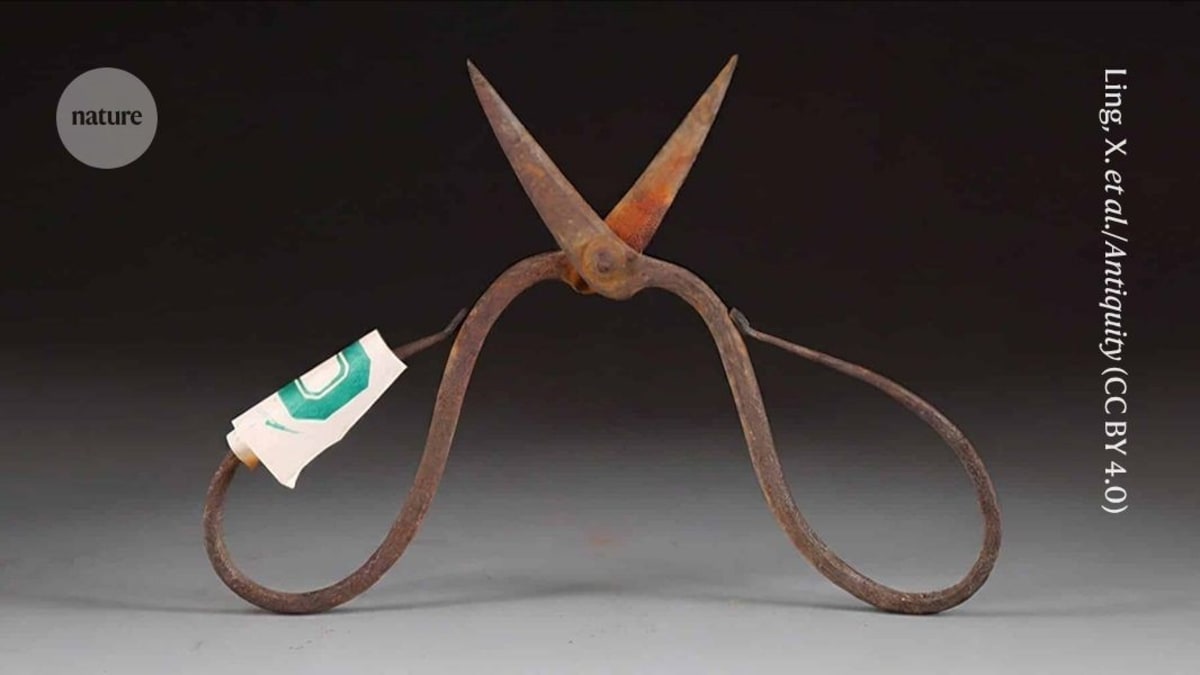
Researchers analyzing surgical scissors from a Ming Dynasty tomb found traces of aconitine, a compound from toxic plants that numbs tissue when carefully applied. The discovery provides the first physical evidence that topical anesthetics were part of medical practice in 15th-century China.
The finding challenges the common assumption that pain management during surgery is a modern invention. While today's operating rooms rely on sophisticated anesthetic drugs, physicians have been searching for ways to reduce surgical suffering for centuries.
What makes this discovery remarkable is the precision required. Aconitine is poisonous in large amounts, meaning these ancient surgeons had to understand exact dosing to numb pain without harming patients. That level of medical knowledge demonstrates impressive scientific understanding for the time.
The research team published their findings in the journal Antiquity, using advanced chemical analysis to detect the compounds on the ancient tools. These weren't just ceremonial objects but working instruments that saw real medical use.
Why This Inspires
This discovery reminds us that human compassion and ingenuity have always driven medical progress. Doctors 600 years ago cared enough about their patients' suffering to experiment with dangerous substances, carefully calibrating doses to bring relief.
Their work laid groundwork that echoes through modern medicine, where pain management remains a core principle of ethical care. Every time a patient receives anesthesia today, they benefit from centuries of healers who refused to accept that surgery had to mean agony.
The finding also highlights how much medical knowledge existed outside Western traditions, encouraging researchers to look more closely at healing practices across different cultures and time periods.
Ancient physicians were solving the same problems we face today, just with different tools, and their successes deserve recognition.
More Images




Based on reporting by Nature News
This story was written by BrightWire based on verified news reports.
Spread the positivity!
Share this good news with someone who needs it