Neanderthals Performed Dentistry 59,000 Years Ago
Scientists discovered evidence of deliberate dental surgery on a 59,000-year-old Neanderthal tooth from Siberia, pushing back the origins of invasive dentistry by over 40,000 years. The finding suggests our ancient cousins were far more sophisticated than we thought.
A stone tool met an aching tooth 59,000 years ago, and what happened next is rewriting what we know about ancient medicine.
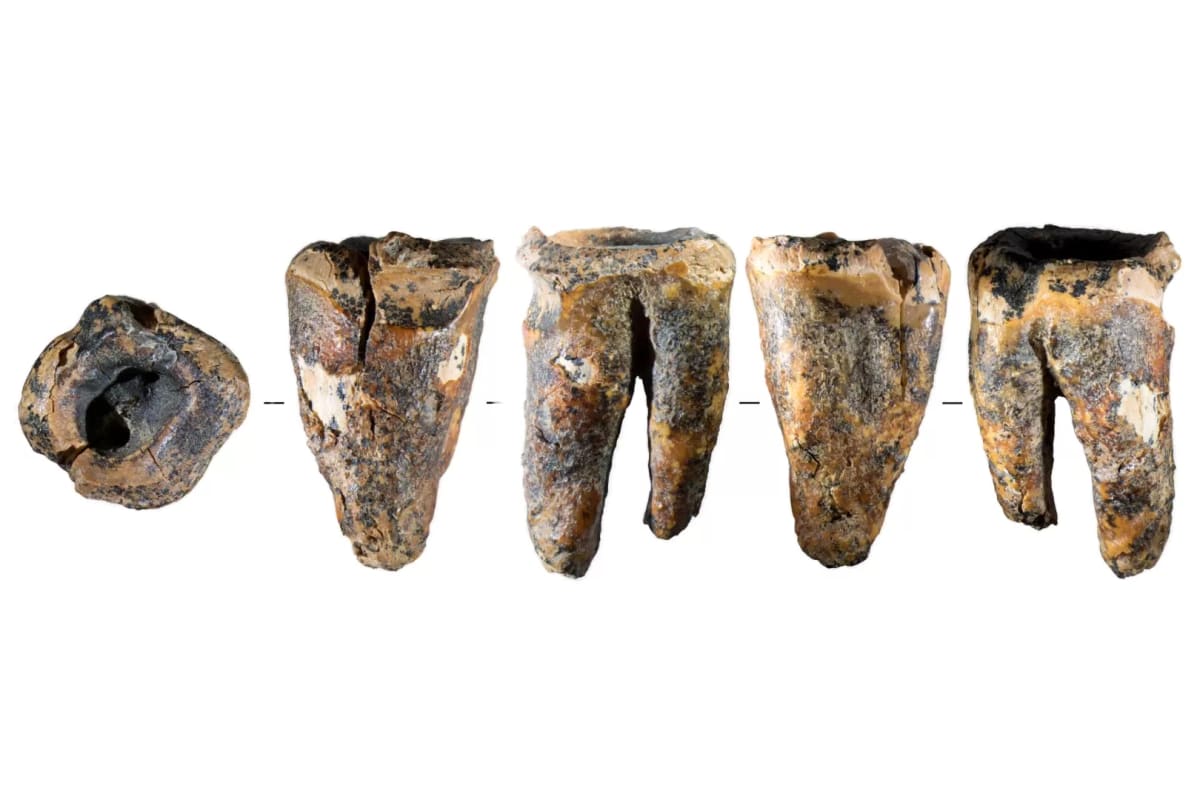
Archaeologists working deep in the Altai Mountains of Siberia discovered a Neanderthal molar with an unusual hollow carved into its chewing surface. New research published in PLOS One confirms this wasn't damage from wear or accident. Someone deliberately drilled into that tooth to remove decayed tissue, performing what may be the oldest known dental surgery in human history.
The tooth, recovered from a cave, shows clear signs of intentional intervention. Using microscopic analysis, researchers found patterns consistent with a sharp stone tool carefully removing the damaged inner portion of the cavity. The precision suggests this wasn't a random act but a purposeful attempt to address dental pain.
This discovery pushes the timeline of invasive dental treatment back by more than 40,000 years. Before this finding, the earliest evidence of dental surgery came from much later periods in human history. The Neanderthal patient who endured this procedure lived tens of thousands of years before modern humans developed similar practices.
Why This Inspires
This ancient act of care tells us something profound about Neanderthal society. Someone looked at a fellow community member in pain and thought, "I can help." They had the knowledge, the tools, and most importantly, the compassion to try. That's not just medical skill. That's humanity.
The procedure would have been excruciating without modern anesthesia, yet the patient chose to endure it. The practitioner took the risk of trying something invasive and potentially dangerous. Both required trust, courage, and hope for a better outcome.
These weren't brutish cave dwellers stumbling through existence. These were thinking, caring individuals who solved problems, eased suffering, and looked after each other. They observed cause and effect, developed techniques, and passed knowledge between generations.
Every major human achievement from healing to art to science started with someone deciding another person's wellbeing mattered enough to try something new.
This 59,000-year-old tooth proves that compassionate innovation has always been part of who we are as a species.
Based on reporting by Google News - Scientists Discover
This story was written by BrightWire based on verified news reports.
Spread the positivity!
Share this good news with someone who needs it