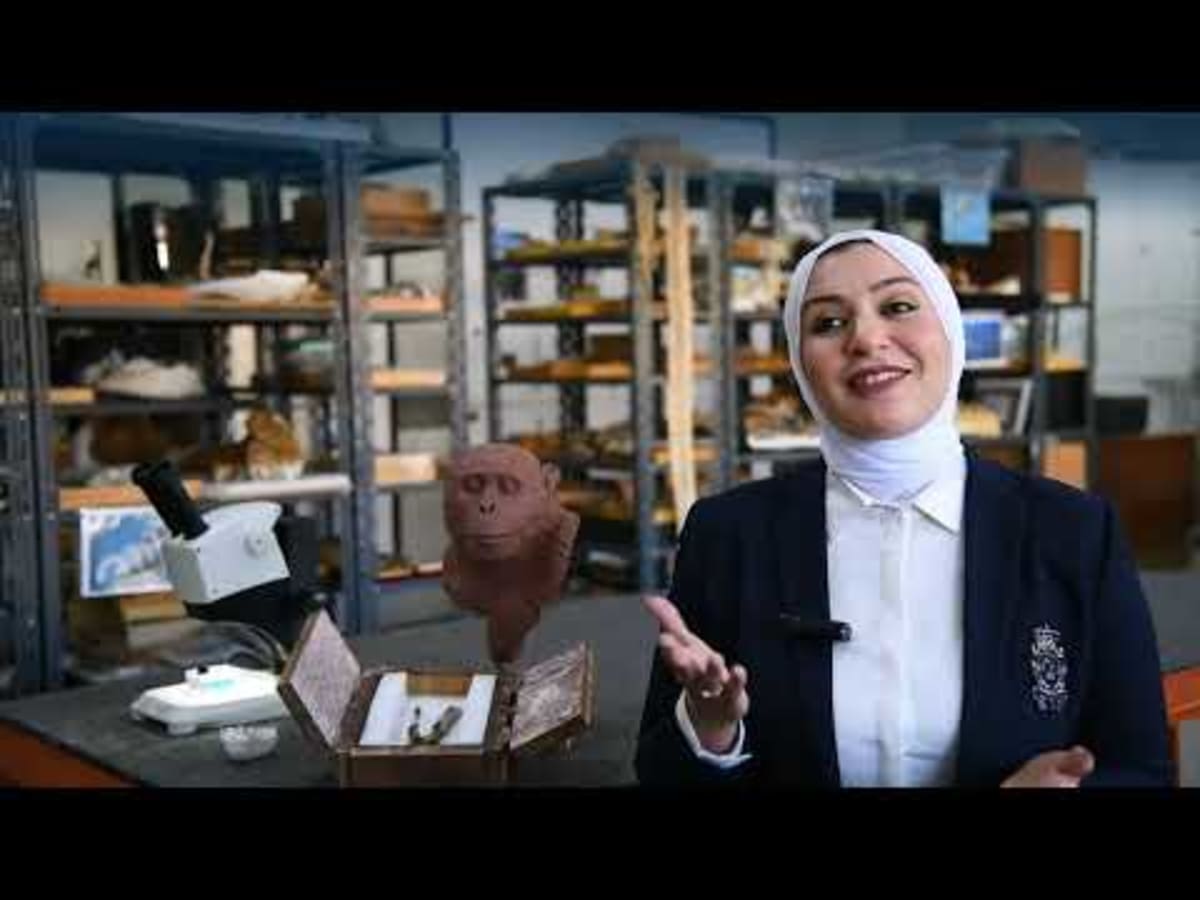
Byzantine City Found in Egypt Desert After 1,600 Years
Archaeologists just uncovered an entire 4th-century Byzantine city preserved in Egypt's western desert, complete with homes, churches, and everyday tools that show how people lived 1,600 years ago. The discovery offers an extraordinary window into daily life when Egypt was part of the Byzantine empire.
Imagine walking through streets that haven't seen footsteps in over a millennium. That's exactly what archaeologists in Egypt's Dakhla oasis are experiencing after uncovering a remarkably well-preserved Byzantine city from the 4th century.
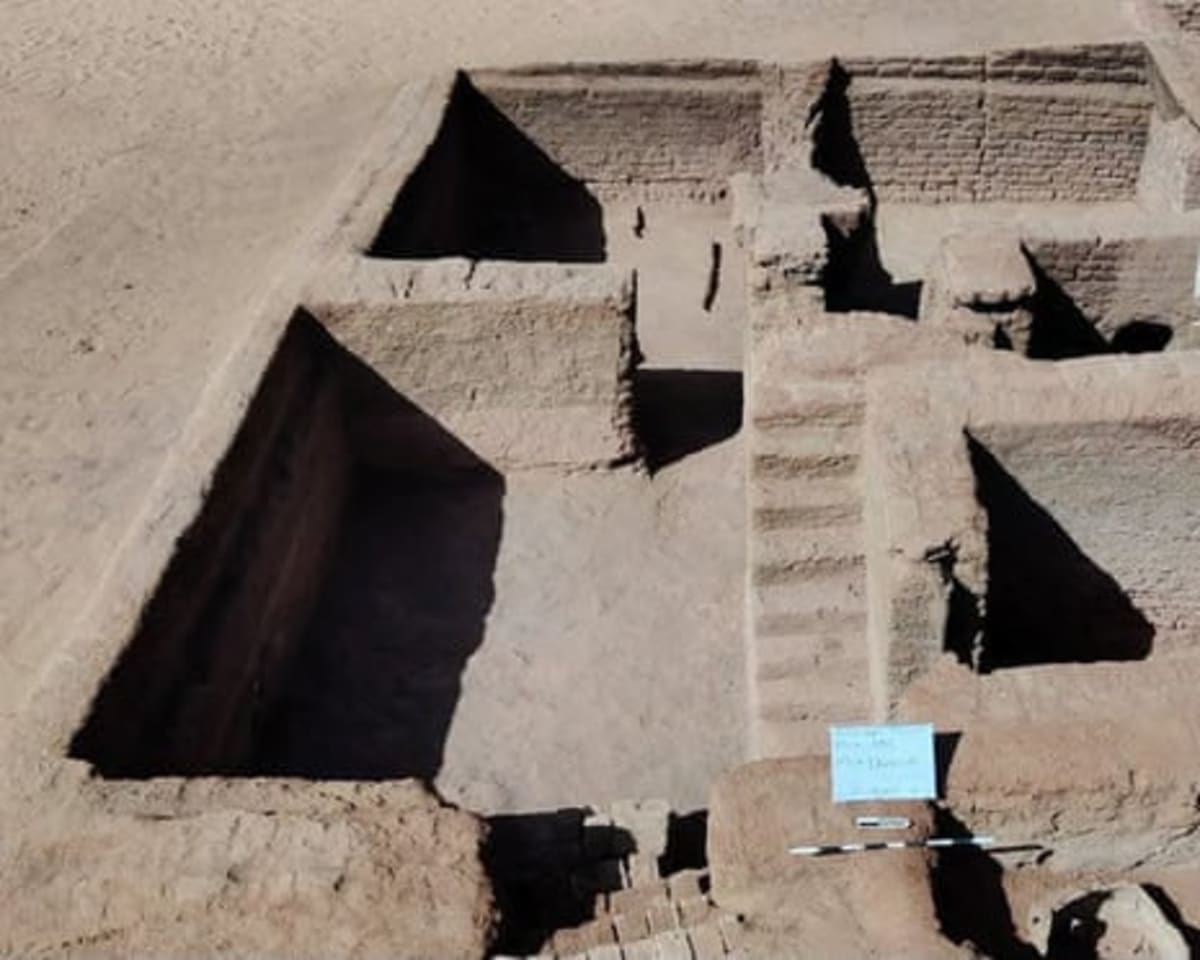
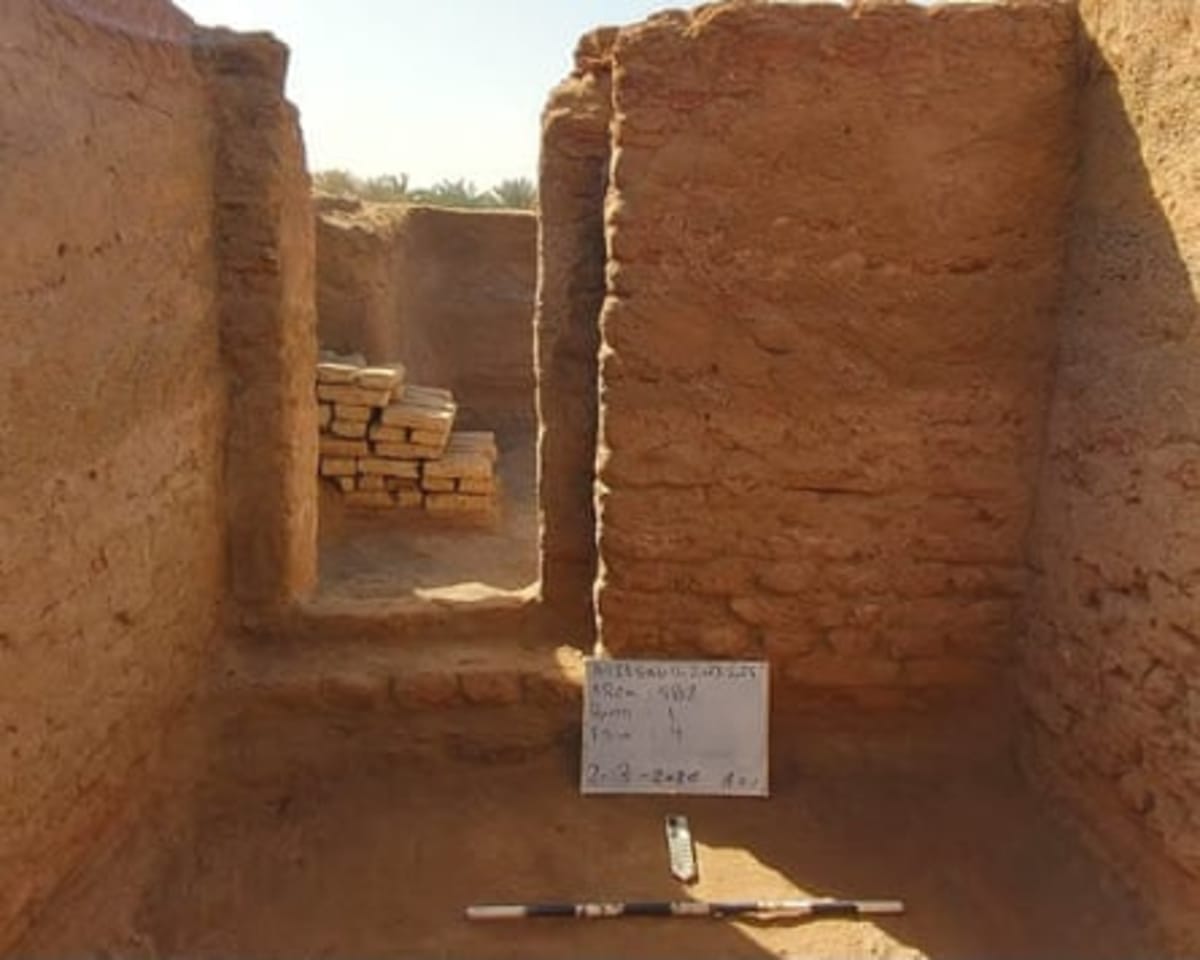
The ancient settlement emerged from the desert sands with its streets still intact. North-south thoroughfares intersect with east-west roads, creating public squares just as city planners designed them over 1,600 years ago.
At the heart of the discovery stands a basilica from the mid-fourth century, overlooking the main streets like it once watched over the community. Two watchtowers still guard the settlement's edges, their defensive walls thick and formidable even after centuries of desert winds.
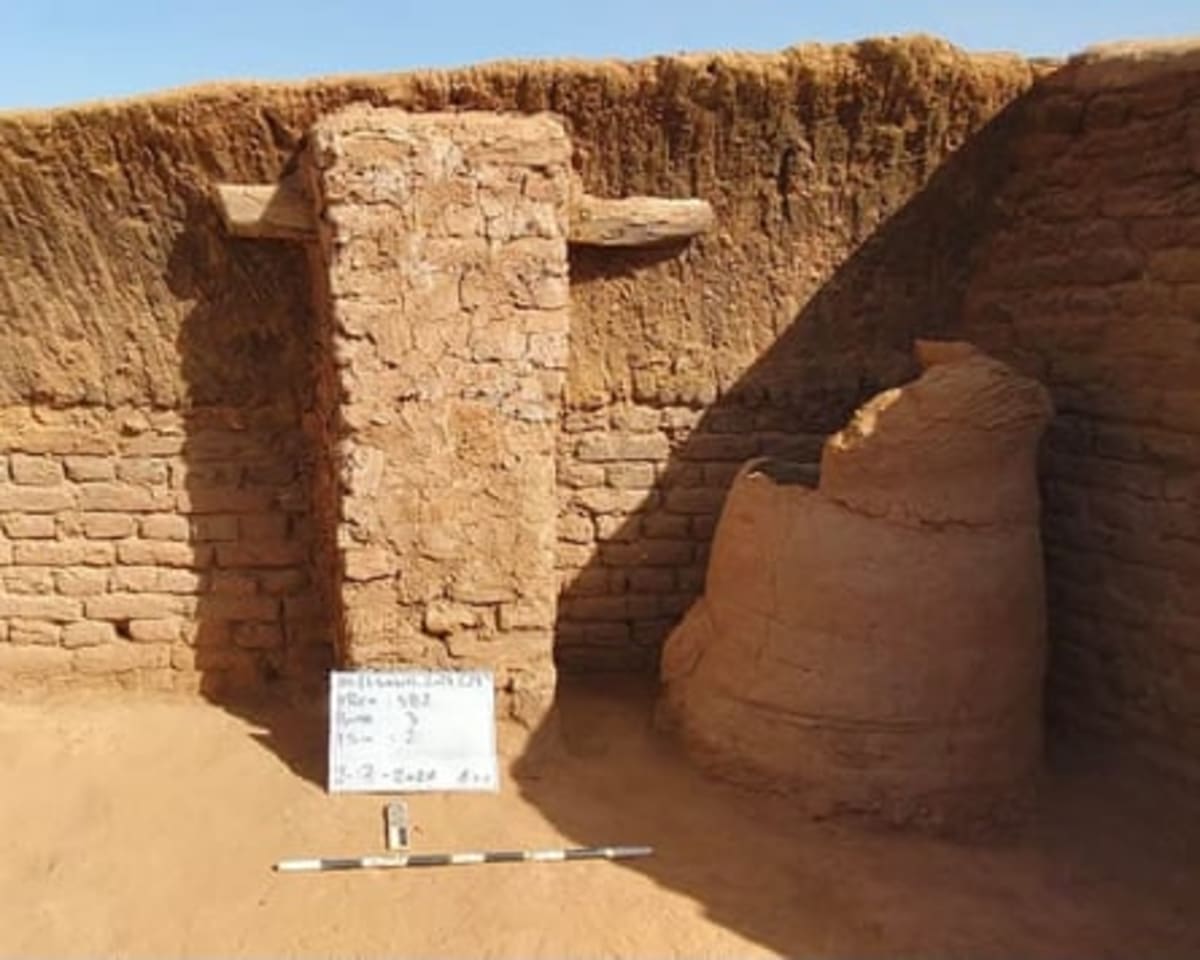
The real magic lies in the everyday details. Archaeologists found bread ovens in kitchens, stone grinding tools beside them, and bronze coins scattered where people once shopped and traded. These aren't just ruins but snapshots of actual lives.
One home belonged to Tisous, a church deacon, and researchers believe families gathered there for worship before the city built its grand basilica. The house still has its vaulted roofs and reception halls where neighbors likely shared meals and stories.
Among the most exciting finds are 200 pottery fragments called ostraca that ancient Egyptians used like scratch paper. The fragments contain commercial transactions, personal letters, and shopping lists that read like text messages from the past.
Gold coins bearing the face of Roman Emperor Constantius II, who ruled from 337 to 361, help date the settlement precisely. The coins show Christian symbols and Latin inscriptions, marking this period when Christianity spread through the Byzantine empire.
In a separate discovery near Alexandria, archaeologists uncovered 18 ancient tombs at Marina el-Alamein, bringing the site's total to 48 tombs. Inside, they found a 2.5-meter granite sarcophagus, the remains of a plaster sphinx, and four bodies with gold pieces placed in their mouths, a funerary practice called "the golden tongue."
The Ripple Effect
These discoveries do more than add artifacts to museums. The Dakhla oasis site is already on UNESCO's tentative list for World Heritage status, which will bring resources for preservation and education. Researchers can now study how communities thrived in desert conditions, knowledge that could inform sustainable living in arid regions today.
The finds also showcase Egypt's layered history beyond its famous pyramids. This Byzantine chapter reveals how cultures blended, how Christianity took root, and how ordinary people built extraordinary communities in challenging environments.
Future students will read textbooks enriched by these everyday objects, and historians will rewrite sections on Byzantine Egypt with fresh details from kitchen floors and market squares.
These ancient streets are teaching us that human ingenuity, community, and hope have always found ways to flourish, even in the desert.
More Images

Based on reporting by Google: archaeological discovery
This story was written by BrightWire based on verified news reports.
Spread the positivity!
Share this good news with someone who needs it