4,000-Year-Old Silk Cocoons Rewrite Ancient Trade History
Scientists discovered silkworm cocoons in Uzbekistan that are 2,000 years older than the Silk Road itself, proving ancient civilizations were sharing precious materials far earlier than we ever imagined. This tiny discovery is rewriting how we understand global connection in the ancient world.
A handful of ancient silkworm cocoons no bigger than your thumb are flipping our understanding of early global trade completely upside down.
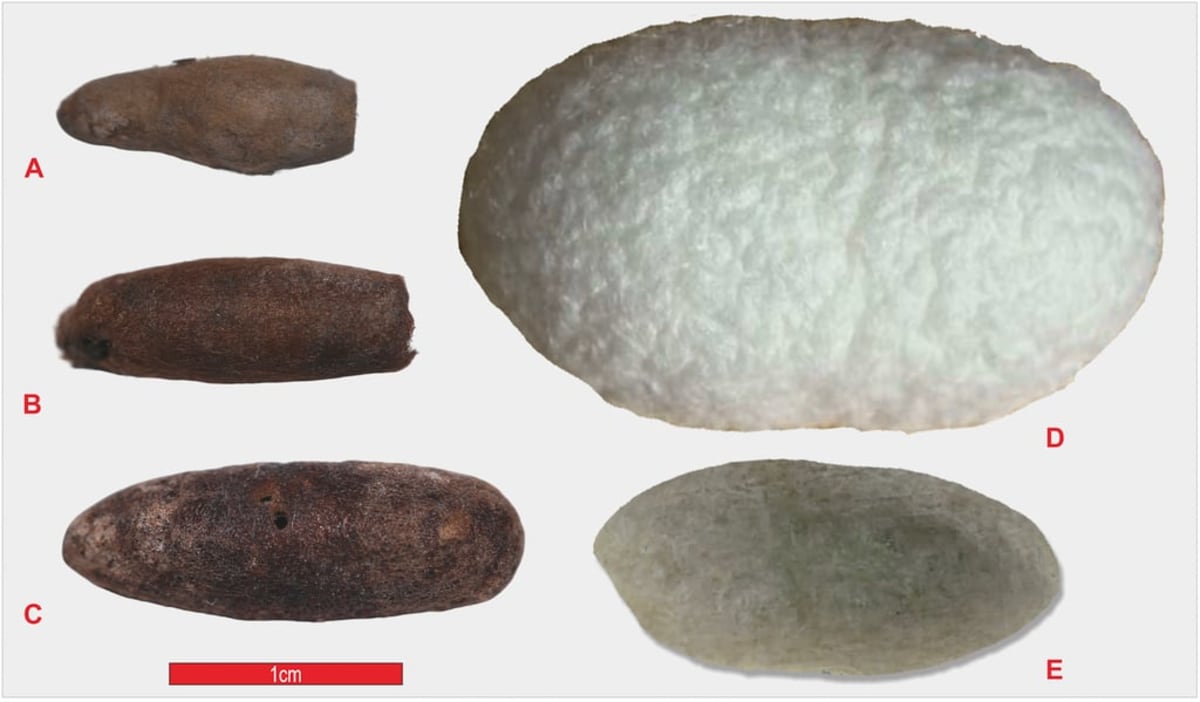
Researchers at Washington University in St. Louis just confirmed that three silkworm cocoons found along a river in southern Uzbekistan are about 4,000 years old. That means these delicate threads traveled from China to Central Asia a full 2,000 years before the famous Silk Road even existed.
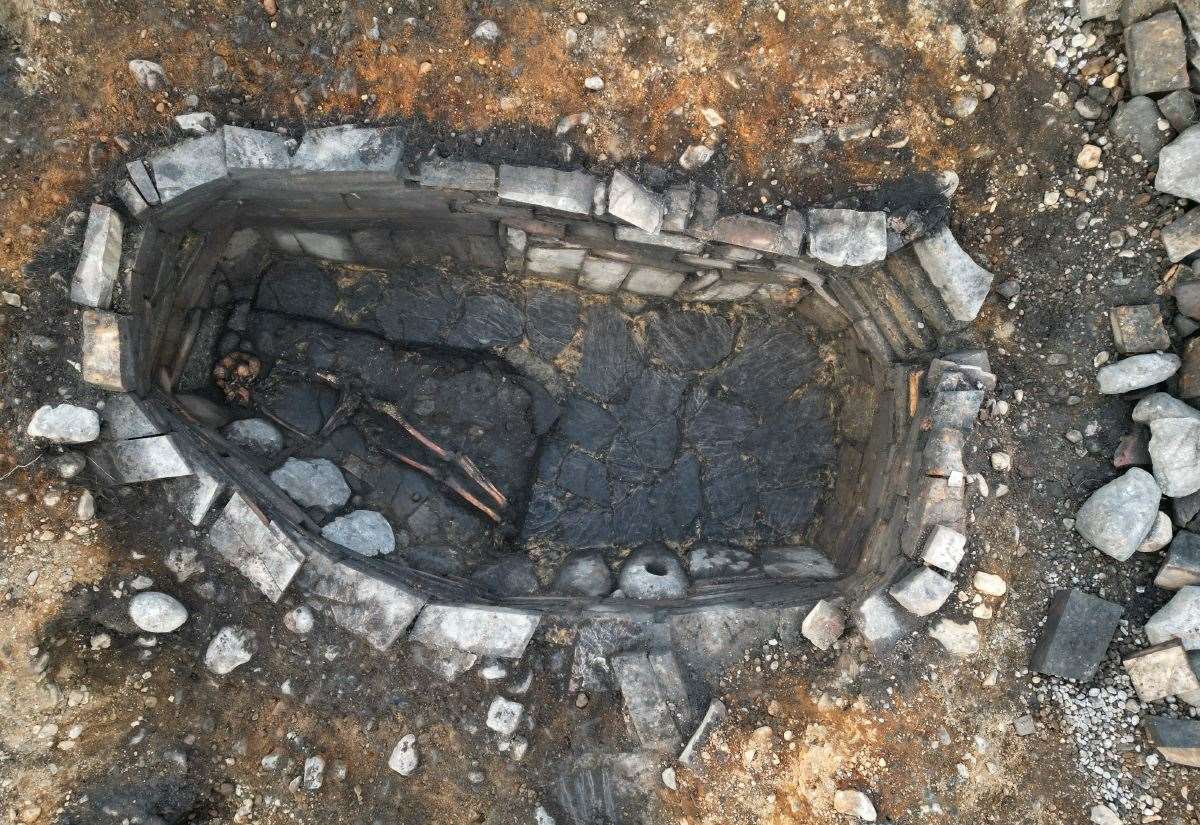
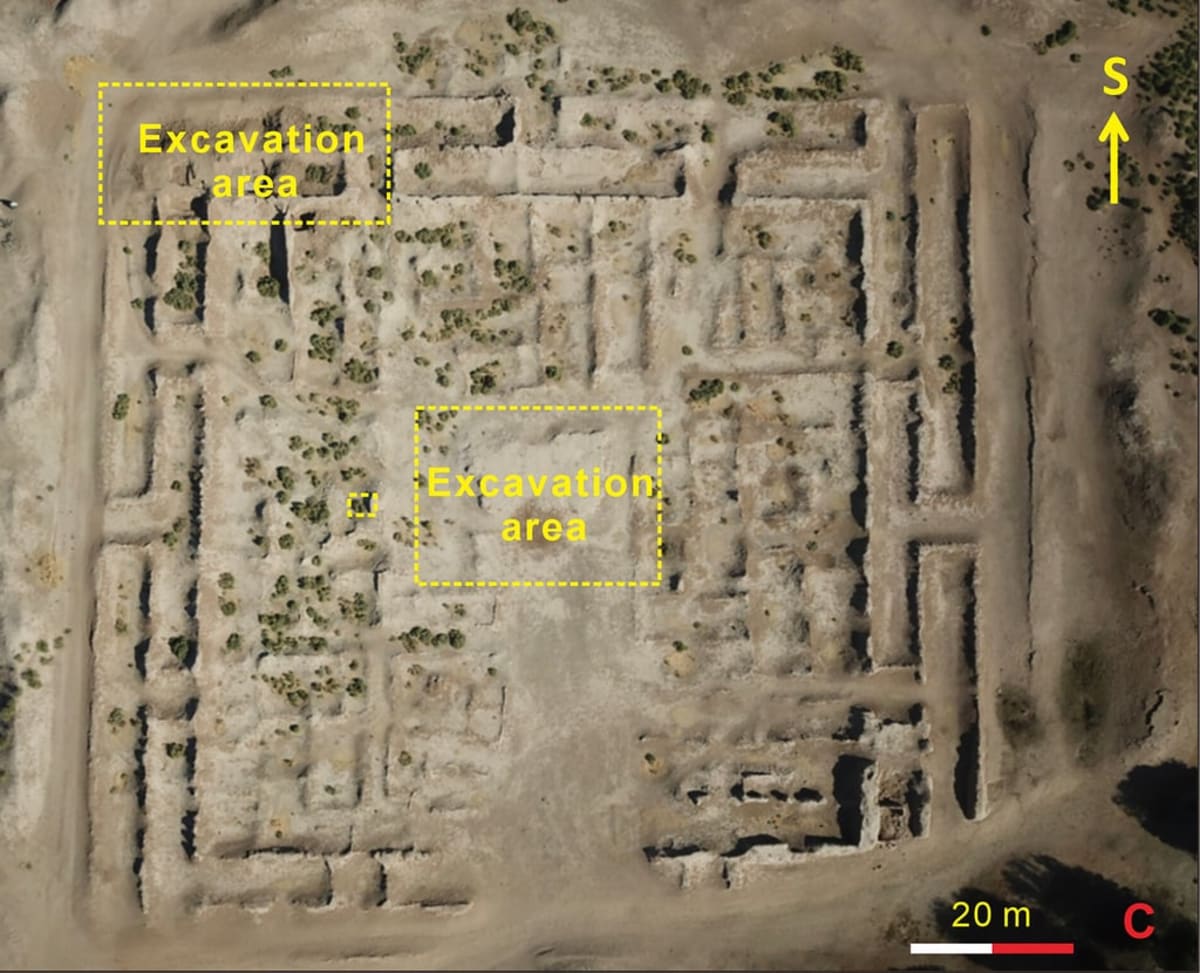
The discovery happened at Sapalli Tepe, a Bronze Age site nestled between Tajikistan and Afghanistan along the Surkhan-Darya River. For years, historians believed the Silk Road, which officially formed around 130 BC, was the first major channel for silk to leave China.
This find proves our ancestors were far more connected than we gave them credit for. While the Silk Road gets all the glory in history books, people were already building relationships and sharing precious goods across thousands of miles of desert and mountains two millennia earlier.
Professor Xinyi Liu, who led the study published in Science Advances, confirmed these are the oldest reliable silkworm cocoons ever found outside China. The original silk production dates back even further to China's Yangshao culture between 5000 and 3000 BC, but nobody knew it was spreading this early.
The Ripple Effect
This discovery does more than adjust a few dates in textbooks. It reveals that ancient humans were incredibly resourceful at forming trade networks and cultural exchanges long before we had formal trade routes.
These weren't just random objects that drifted across continents. Someone carefully transported living silkworms or precious cocoons across brutal terrain, suggesting deliberate relationship building between distant civilizations.
The humble silkworm might not look impressive next to horses or cattle, but its impact on human connection rivals any domesticated animal. The desire for luxurious silk fabric sparked relationships between Asia and the Mediterranean that transformed how ideas, technologies, and innovations flowed between cultures.
What makes this especially exciting for researchers is what it suggests about other discoveries waiting to happen. If silk traveled 2,000 years earlier than we thought, what else are we wrong about? What other ancient connections are buried beneath our feet, waiting to tell stories of human cooperation and ingenuity?
Every thread of silk represents someone who cared enough to share something beautiful with distant neighbors, proving that our drive to connect across borders is truly timeless.
More Images

Based on reporting by South China Morning Post
This story was written by BrightWire based on verified news reports.
Spread the positivity!
Share this good news with someone who needs it