Ancient Pompeii: How a 1748 Search for Water Found History
A Spanish engineer digging for water in 1748 accidentally uncovered Pompeii, perfectly frozen in time for 1,700 years. The discovery transformed how we understand ancient Roman life and inspired art across Europe.
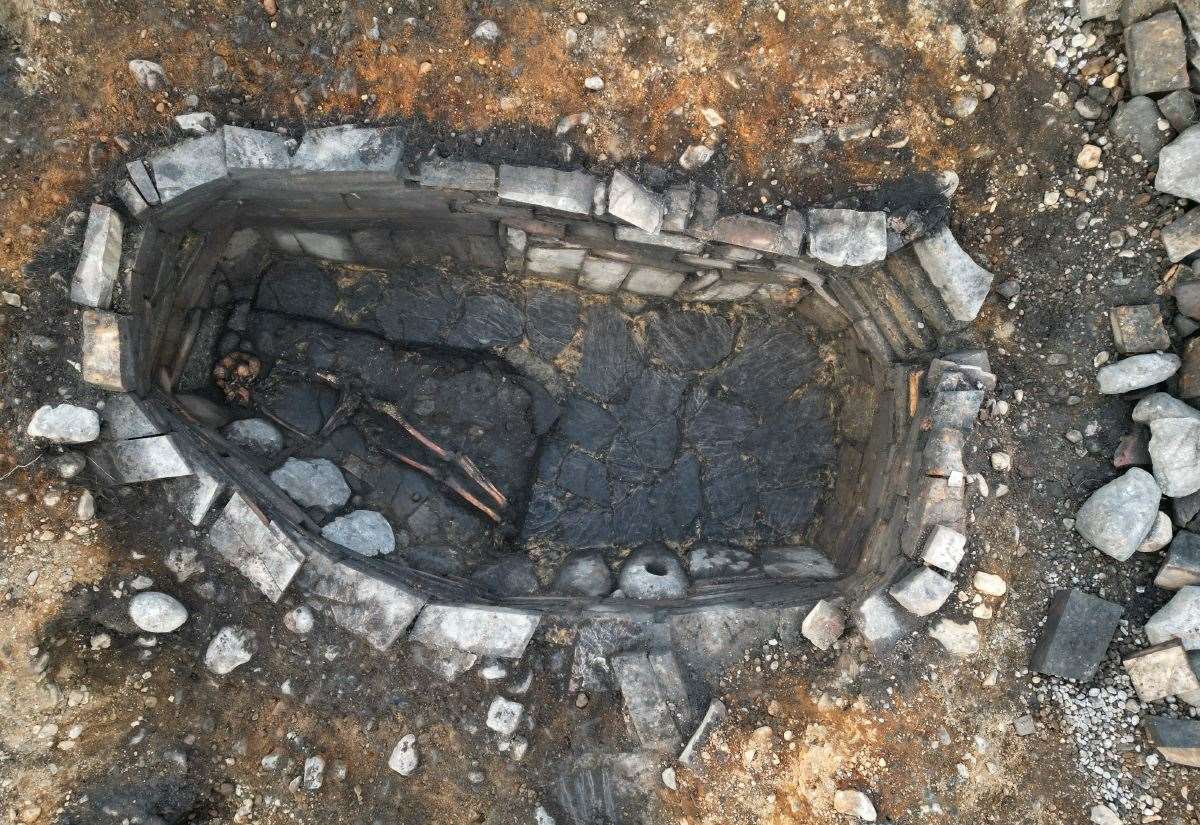
In 1748, Spanish engineer Rocque Joaquin de Alcubierre was searching for water near Naples when his team struck something incredible. Beneath layers of volcanic ash lay Pompeii, an entire Roman city preserved exactly as it stood in AD 79 when Mount Vesuvius erupted.
What makes this discovery so remarkable is what the ash protected. Unlike typical ruins worn down by centuries of weather and human activity, Pompeii remained intact with homes, shops, bakeries, and restaurants still containing the objects people used every day.
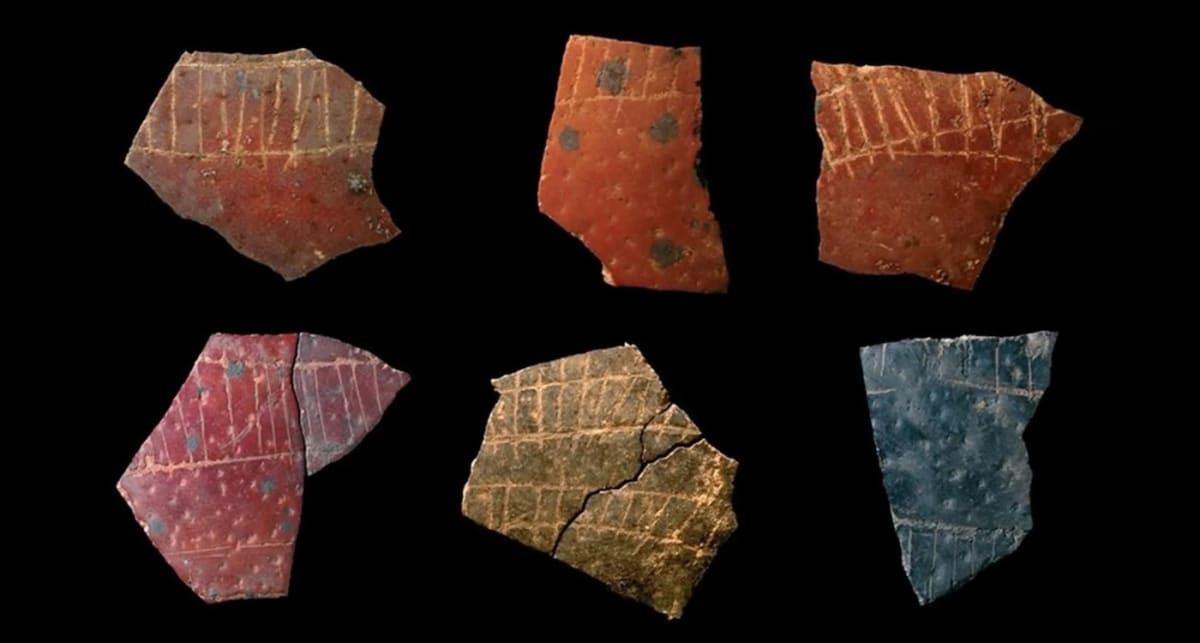
The volcanic eruption that destroyed Pompeii also became its time capsule. Ash and pumice buried the city so quickly that food was found still sitting in ovens. Graffiti stayed readable on walls, and colorful frescoes depicting mythology and daily life remained vibrant.
These weren't just buildings. They were snapshots of ordinary Roman life that historians had never seen before.
Researchers discovered thermopolia, ancient fast food restaurants where workers grabbed quick meals. They found laundries, workshops, and plumbing systems that showed how a thriving city actually functioned. For the first time, scholars could study not just emperors and generals, but how regular people lived, worked, and ate.
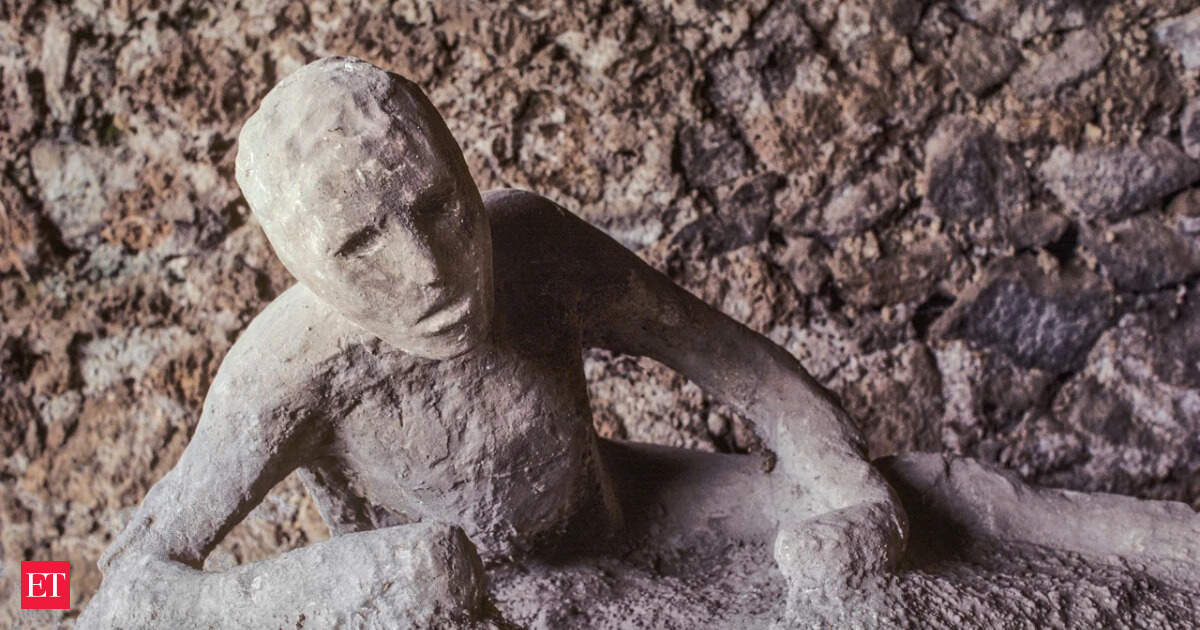
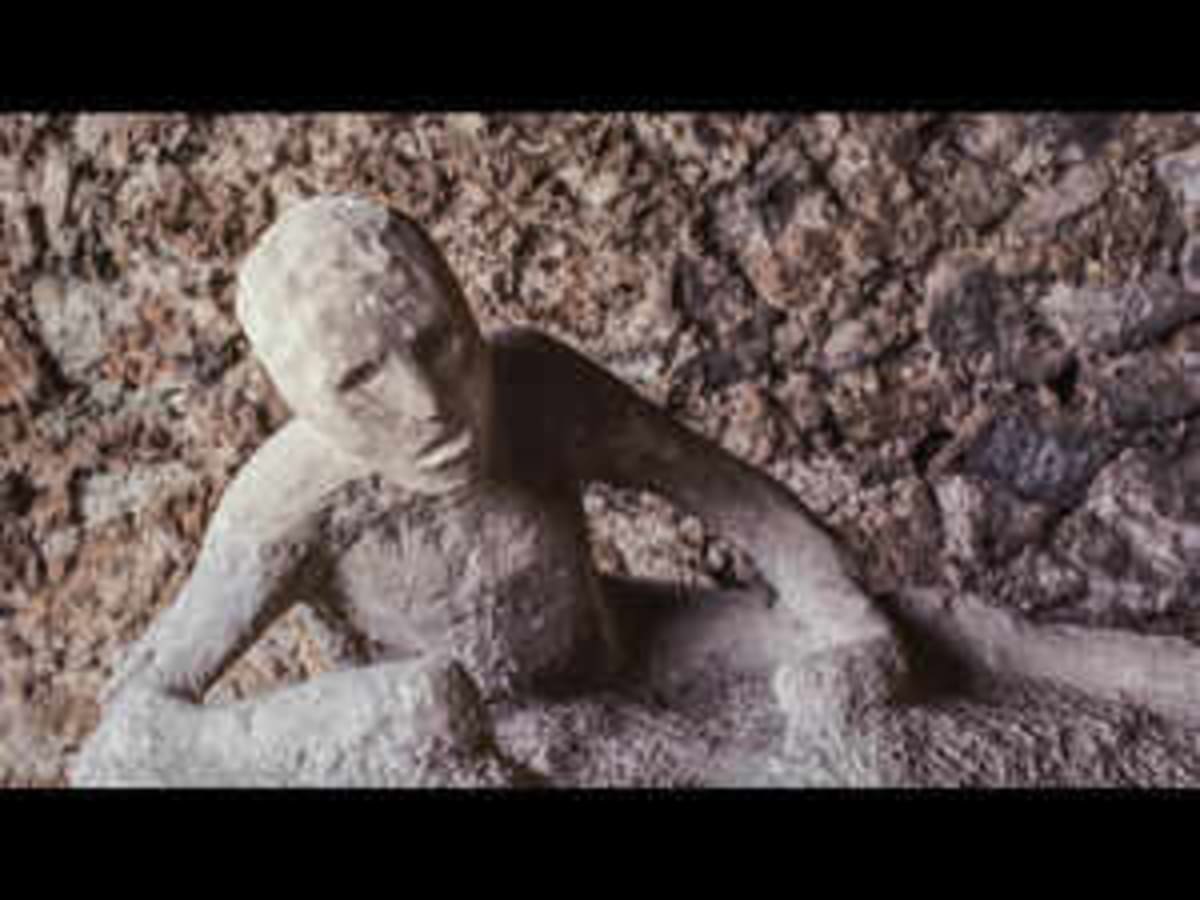
The most haunting discoveries came later. When bodies decomposed under the hardened ash, they left cavities behind. Archaeologists learned to fill these spaces with plaster, creating casts that showed victims' final moments with heartbreaking detail.
The Ripple Effect
Pompeii's rediscovery sparked a cultural revolution across Europe. Suddenly, ancient Rome felt real and accessible in ways written accounts never could. Roman-inspired designs appeared everywhere from architecture to furniture, clothing to art throughout the 18th and 19th centuries.
The excavation changed archaeology itself. While early diggers focused mainly on treasures for royal collections, Pompeii eventually taught researchers that everyday objects tell stories just as important as golden artifacts. The city proved that understanding how ordinary people lived matters as much as studying the powerful.
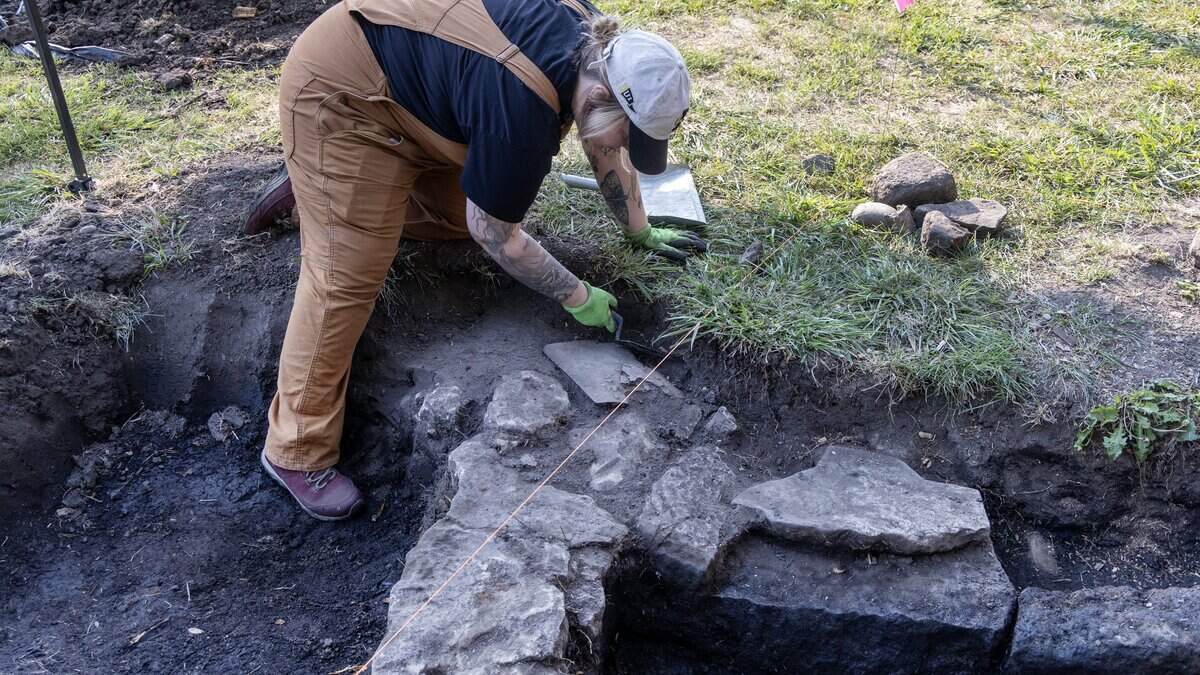
Today, Pompeii remains one of the world's most visited archaeological sites. Modern technology continues revealing new insights, from analyzing victims' last meals to uncovering previously hidden frescoes using advanced imaging.
What began as a simple search for water became a window into an entire civilization, reminding us that the most extraordinary discoveries sometimes happen by accident.
More Images



Based on reporting by Google: archaeological discovery
This story was written by BrightWire based on verified news reports.
Spread the positivity!
Share this good news with someone who needs it