Mystery Iron Age Pit Discovered Near Scottish Village
Archaeologists near Dornoch, Scotland, uncovered a 2,000-year-old stone-lined pit containing a skeleton, animal bones, and ancient artifacts. The mysterious structure has experts puzzled but excited about what it reveals of Iron Age life.
A quarry expansion near the Scottish village of Dornoch led to an unexpected treasure: a perfectly preserved prehistoric pit that has archaeologists buzzing with excitement.
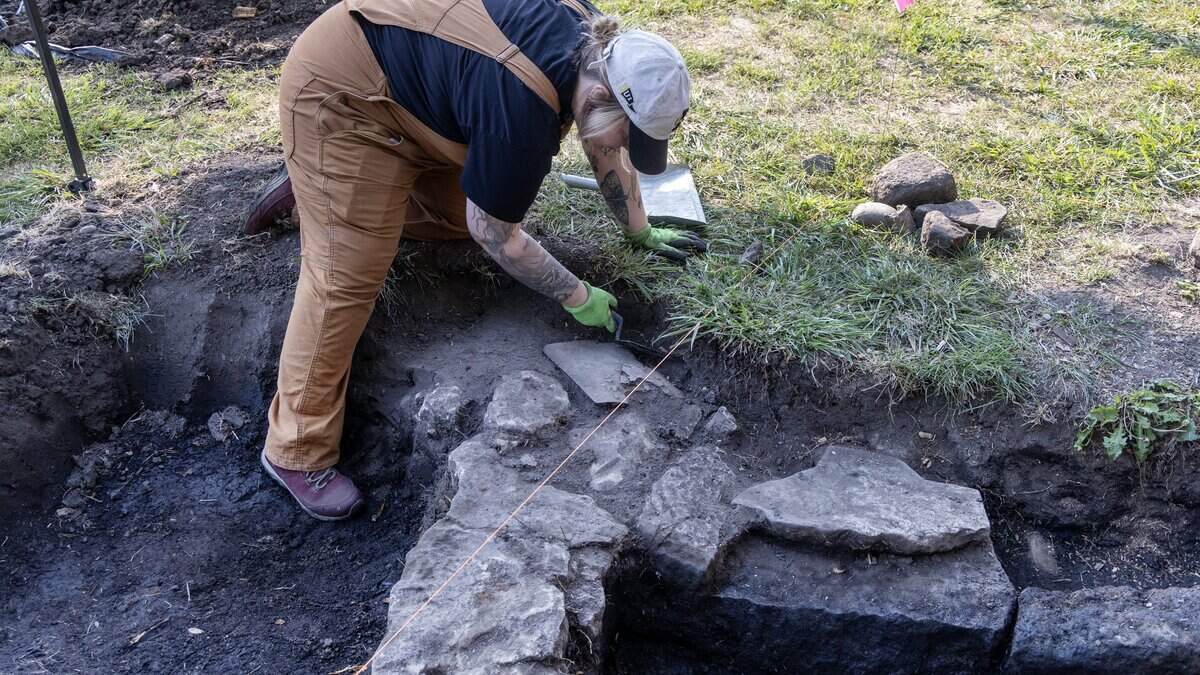
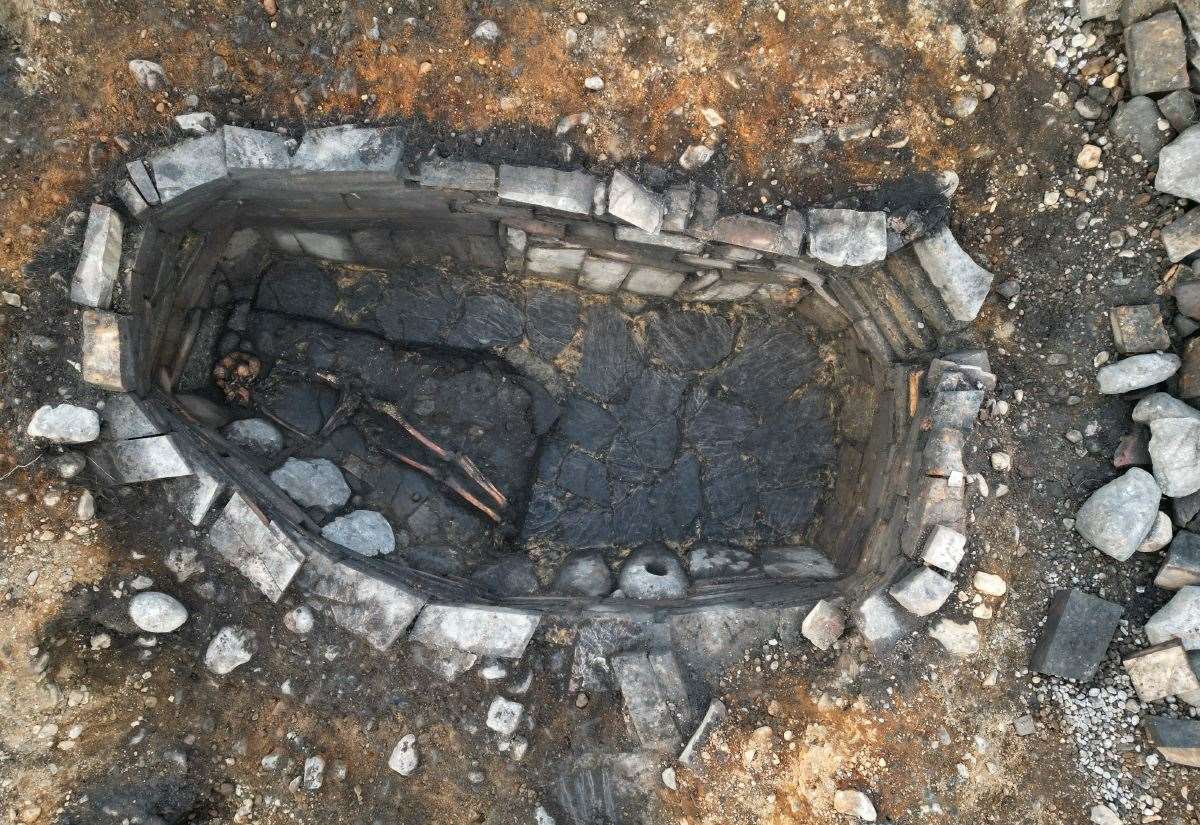
Workers removing topsoil earlier this year revealed a ring of expertly fitted stones arranged without any mortar. When Highland Archaeology Services excavated further, they found an oval pit measuring about 10 feet long, 6 feet wide, and 3 feet deep, complete with a clay floor and shallow steps leading down.
Inside lay a fascinating collection: a human skeleton, animal bones, ash and charcoal, and half of a small soapstone bowl. The stones forming the walls showed signs of previous use, including one that had served as a grinding surface before being repurposed for the pit.
"When the topsoil was stripped off, the stones in a ring began to appear," said Lachlan McKeggie, director of Highland Archaeology Services. "It was very exciting."
The discovery is particularly thrilling because experts have never seen anything quite like it. The structure resembles ritual wells or souterrains (underground passages) from the Iron Age, but doesn't match the typical shape of either.
McKeggie believes the pit may have been part of a roundhouse structure above ground. While he jokingly suggests it could be an "Iron Age hot tub," the true purpose remains a genuine mystery that will require extensive study to solve.
The area around Dornoch is rich with prehistoric sites, including 25 ancient hut circles and chambered cairns in nearby Camore Woods. This new discovery adds another piece to the puzzle of how people lived in Scotland thousands of years ago.
Why This Inspires
This discovery reminds us that history still holds countless secrets waiting to be revealed. The skeleton, likely a woman with worn teeth and an underbite, represents a real person who lived, worked, and used this mysterious pit for purposes we're still trying to understand.
The remains and artifacts are now being studied by experts who hope to determine the person's age and cause of death. Eventually, they'll be allocated to a local museum where the public can connect with this ancient story.
Under Scottish law, all archaeological discoveries belong to the Crown and are preserved for everyone. The Treasure Trove Unit in Edinburgh ensures these important historical items end up in public museums rather than private collections, keeping Scotland's past accessible to all.
Highland Archaeology Services documented everything through detailed notes, drawings, photographs, and maps before excavating. Their full report will be available free online through the Highland Historic Environment Record within days, allowing anyone curious about the discovery to explore it further.
Sometimes progress means looking backward to understand where we came from, and this mysterious pit offers a tangible connection to the ingenuity and daily lives of people who walked the same Scottish landscape 2,000 years ago.
Based on reporting by Google: archaeological discovery
This story was written by BrightWire based on verified news reports.
Spread the positivity!
Share this good news with someone who needs it